🩺 What Are Kidney Stones?
Kidney stones are hard mineral deposits that form inside the kidneys when certain substances in urine become highly concentrated. They can vary in size and may cause severe pain, difficulty urinating and urinary discomfort.
Diet and hydration play a major role in reducing the risk of kidney stone formation and recurrence.
🔬 Common Types of Kidney Stones
| Stone Type | Main Cause |
|---|---|
| Calcium Oxalate | Most common type |
| Uric Acid | High uric acid levels |
| Struvite | Urinary infections |
| Cystine | Rare genetic condition |
Most dietary recommendations focus on preventing calcium oxalate stones because they are the most common.
💧 Hydration – The Most Important Strategy
Drinking enough fluids is one of the most effective ways to prevent kidney stones.
- Aim for adequate daily fluid intake
- Drink water throughout the day
- Increase fluids during hot weather
- Stay hydrated during exercise
Diluting urine reduces the concentration of stone-forming substances.
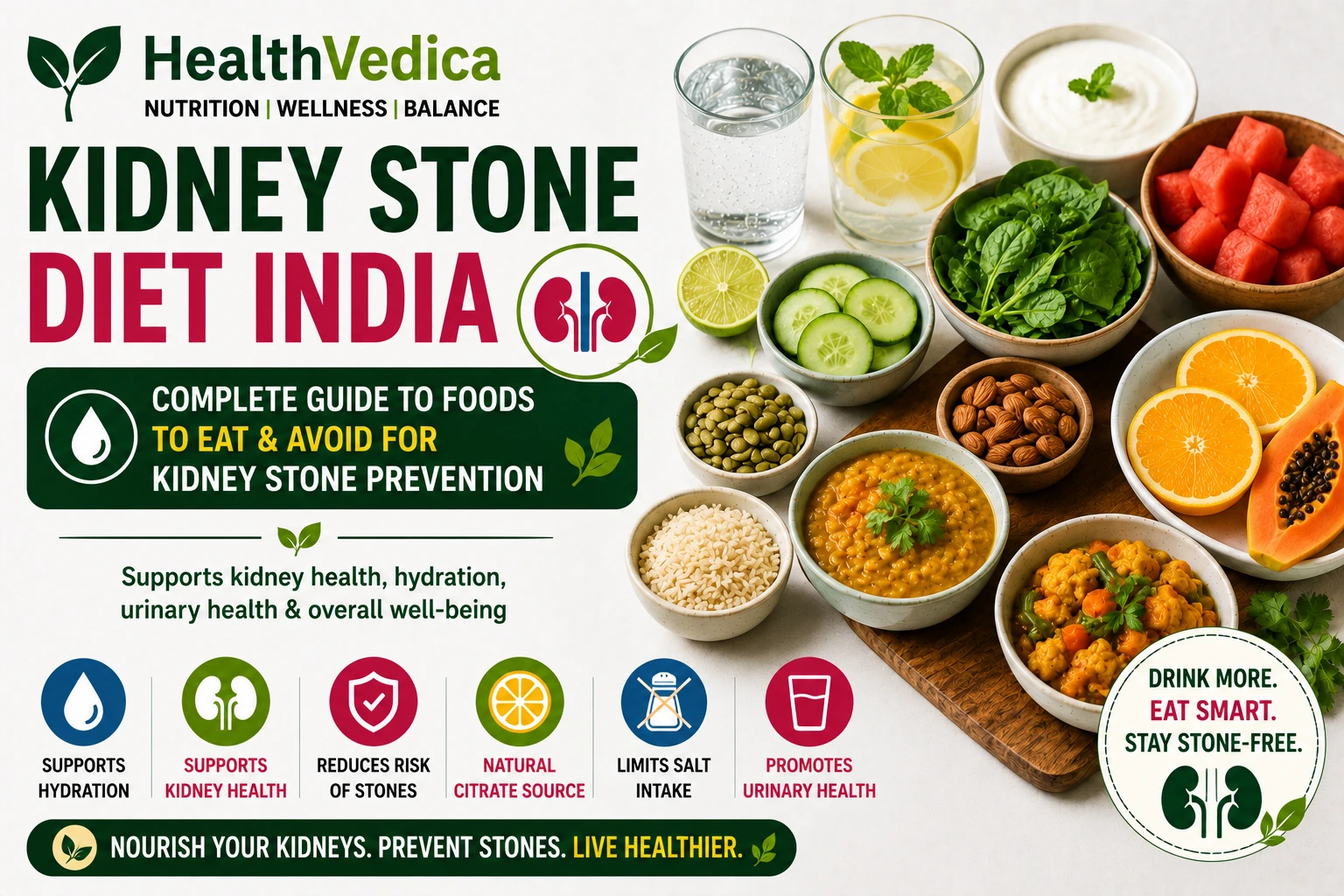
✅ Best Foods for Kidney Stone Prevention
| Food | Benefit |
|---|---|
| Water | Improves hydration |
| Lemon Water | Provides citrate |
| Coconut Water | Supports hydration |
| Curd | Provides dietary calcium |
| Milk | Calcium source |
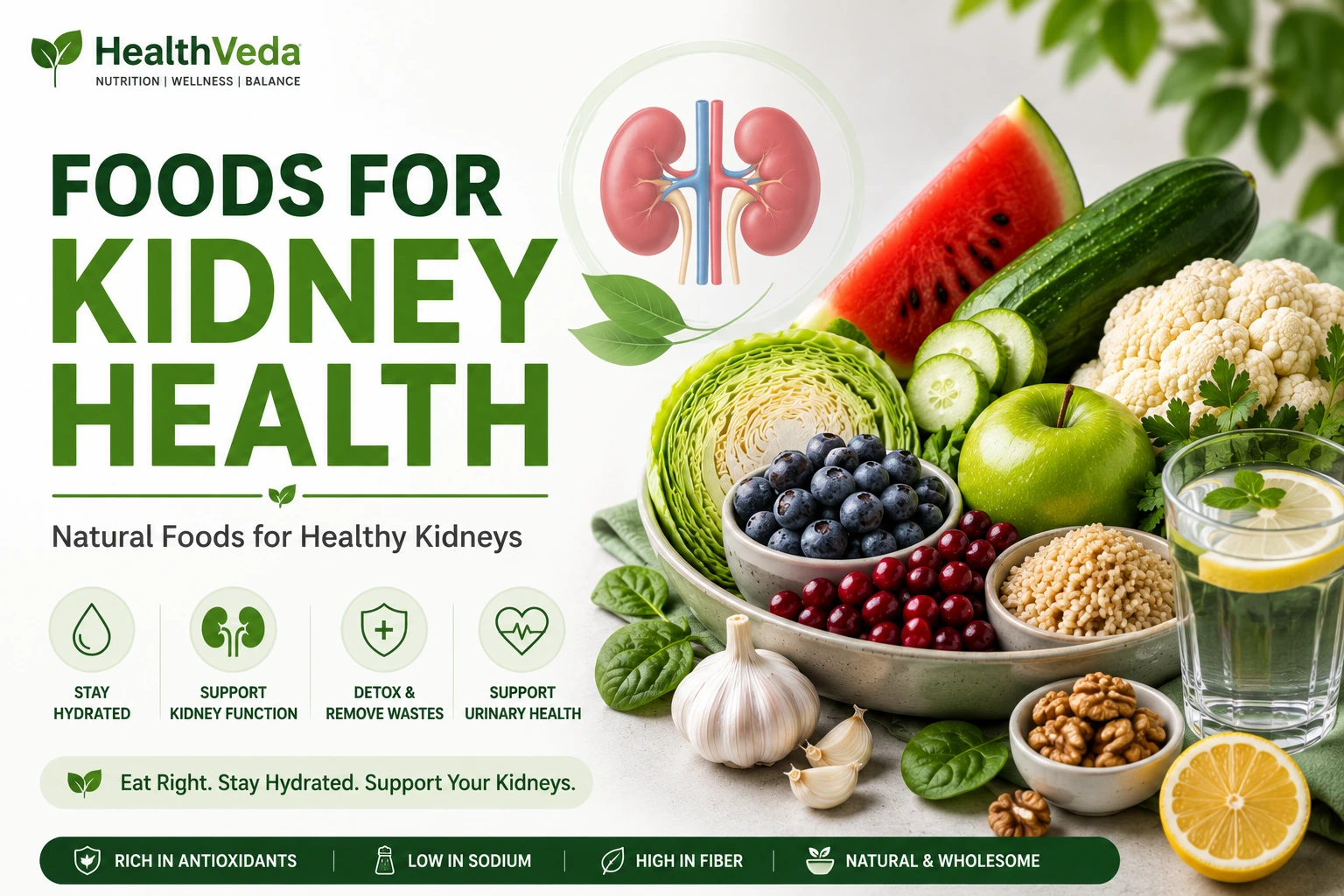
| Cucumber | High water content |
| Watermelon | Hydrating fruit |
| Oranges | Natural citrate source |
| Whole Grains | Balanced nutrition |
| Vegetables | Support overall kidney health |
🍋 Citrate Rich Foods
Citrate may help reduce kidney stone formation by preventing certain minerals from binding together.
Good sources include:
- Lemon
- Mosambi
- Orange
- Lime
Fresh lemon water is commonly recommended as part of a kidney stone prevention plan.
🥛 Don't Avoid Calcium Completely
Many people mistakenly eliminate calcium after developing kidney stones.
In reality, adequate dietary calcium may help reduce oxalate absorption in the intestines.
Healthy calcium sources include:
- Milk
- Curd
- Paneer
- Yogurt
Calcium supplements should only be used under medical guidance.
⚠️ High Oxalate Foods to Limit
People with calcium oxalate stones may need to moderate high-oxalate foods.
| Food | Oxalate Level |
|---|---|
| Spinach | Very High |
| Beetroot | High |
| Chocolate | Moderate to High |
| Tea (Excess) | Moderate |
| Nuts (Excess) | Moderate |
| Soy Products | Moderate to High |
These foods do not necessarily need complete avoidance but may require moderation depending on stone type.
🧂 Reduce Excess Salt Intake
High sodium intake can increase calcium excretion through urine.
Limit:
- Packaged snacks
- Chips
- Instant noodles
- Pickles
- Processed foods
Reducing sodium intake may help lower kidney stone risk.
🥩 Limit Excess Animal Protein
Large amounts of animal protein may increase the risk of certain kidney stones.
Examples include:
- Red meat
- Processed meats
- Organ meats
Moderate portions are generally preferable to excessive intake.
🍉 Hydrating Fruits for Kidney Health
Water-rich fruits support hydration and urinary health.
- Watermelon
- Muskmelon
- Orange
- Mosambi
- Papaya
- Pear
These fruits contribute fluids and valuable nutrients.
🥒 Vegetables Suitable for Kidney Stone Prevention
- Cucumber
- Bottle gourd
- Pumpkin
- Cauliflower
- Cabbage
- Beans
These vegetables are generally lower in oxalates compared to some leafy greens.
🚫 Foods Often Limited in Kidney Stone Diets
- Excess salt
- Sugary soft drinks
- Large amounts of processed foods
- Excessive animal protein
- High-oxalate foods in susceptible individuals
Dietary restrictions should be individualized based on the type of kidney stone.
🍽️ Sample Kidney Stone Friendly Indian Meal Plan
Morning: Lemon water and fruit
Breakfast: Vegetable poha with curd
Mid-Morning: Coconut water
Lunch: Brown rice, dal, cucumber salad and vegetables
Evening: Watermelon or muskmelon
Dinner: Chapati, mixed vegetables and curd
Before Bed: Glass of water
⚠️ Myths About Kidney Stones
- Myth: Stop all calcium foods.
- Fact: Adequate dietary calcium is often beneficial.
- Myth: Only men get kidney stones.
- Fact: Women can develop kidney stones too.
- Myth: Drinking water only when thirsty is enough.
- Fact: Consistent hydration is important.
💪 Benefits of a Kidney Stone Prevention Diet
- Supports hydration
- May reduce stone recurrence
- Supports kidney health
- Improves overall nutrition
- Encourages healthier eating habits
- Supports urinary health
💡 Final Thoughts
Diet plays a major role in preventing kidney stones, especially when combined with proper hydration. Drinking adequate water, consuming citrus fruits, maintaining normal calcium intake and limiting excess salt can significantly support kidney health.
A personalized dietary approach based on the specific type of kidney stone is often the most effective strategy. Regular hydration remains the single most important step for preventing future kidney stones.