Food Comparisions

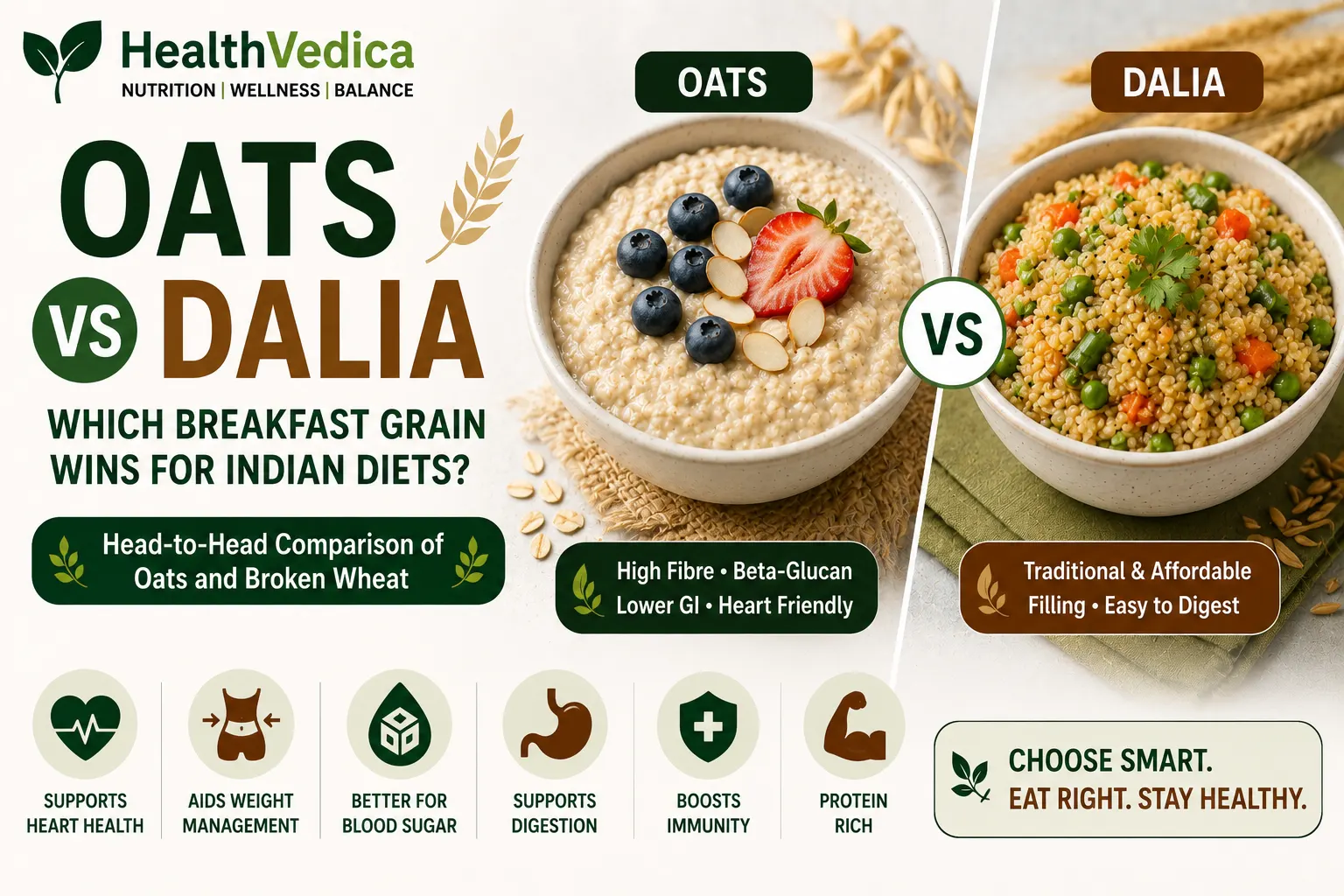
Oats vs Dalia πŸ₯£: Which Breakfast Grain Wins for Indian Diets?

Last updated:
Oats vs Dalia Comparison β€” Nutrition, Health Benefits & Remedies
Oats vs Dalia: Which Is the Healthier Breakfast? | Health Vedica
⚠️ Medical Disclaimer: This content is for informational purposes only and does not constitute medical advice. Always consult a qualified healthcare professional for diagnosis and treatment.

πŸ₯£ Imported Superfood vs Traditional Staple

Oats arrived in Indian kitchens as an imported 'health food,' while dalia (broken wheat, also called daliya or cracked wheat) has been a traditional Indian breakfast staple for generations, particularly in North Indian households. Both are commonly recommended as healthy breakfast grains, but they differ in fibre type, glycaemic response, and how well they fit traditional Indian flavour preferences.

πŸ“Š Oats vs Dalia: Nutritional Comparison (per 100g, dry/raw)

NutrientOatsDalia (broken wheat)Advantage
Protein13.2g12.0gOats (slightly)
Fibre10.1g1.9gOats (5x higher)
Beta-glucan (soluble fibre)Present, cholesterol-loweringMinimalOats
Glycaemic Index~55 (rolled oats)~65-70Oats
Iron4.7mg3.5mgOats
GlutenGluten-free (check cross-contamination)Contains glutenOats
Cost & accessibilityHigher cost, packagedLower cost, widely availableDalia

βœ… Where Oats Wins

Cholesterol management: Oats contain beta-glucan, a specific type of soluble fibre with well-documented cholesterol-lowering effects, forming a gel-like substance in the gut that binds bile acids and reduces LDL cholesterol absorption. Dalia lacks this specific fibre type.

Lower glycaemic impact: Oats generally produce a gentler blood sugar response than dalia, making them a somewhat better choice for those specifically managing blood sugar, though preparation method (cooking time, added sugar) affects this significantly for both.

Gluten-free option: Oats are naturally gluten-free (though cross-contamination during processing is common, so those with celiac disease should look for certified gluten-free oats), while dalia is wheat-based and contains gluten.

βœ… Where Dalia Wins

Cost and accessibility: Dalia is significantly cheaper and more widely available across India than packaged oats, making it a more sustainable everyday choice for many households.

Cultural fit and satiety: Dalia's traditional preparation as a savoury khichdi-style dish with vegetables and dal fits naturally into Indian meal patterns and tends to be more satisfying as a complete meal compared to a typically sweeter oats preparation.

Simplicity: Dalia requires no imported processing and has been part of Indian food culture for generations without the marketing premium attached to oats.

🍽️ Which Should You Choose?

If cholesterol management or blood sugar control is the priority, oats has a measurable scientific edge due to beta-glucan content. If cost, accessibility, and a savoury, filling breakfast that fits traditional Indian taste are the priority, dalia is an excellent and underrated choice. Importantly, both can be prepared in unhealthy ways β€” flavoured instant oats loaded with sugar, or dalia cooked with excess ghee β€” so the preparation method matters as much as the grain choice itself. A savoury vegetable dalia or a plain oats upma with vegetables and minimal added sugar are both genuinely healthy breakfast options.
❓ Frequently Asked Questions

Common questions about Oats vs Dalia Comparison

Oats has a slight edge for weight loss due to its significantly higher fibre content (10.1g vs 1.9g per 100g), particularly beta-glucan, which promotes satiety and slows digestion. However, the actual weight loss outcome depends heavily on preparation β€” sugary flavoured instant oats can undermine this advantage, while a well-prepared savoury dalia with vegetables can be equally filling and lower in calories than sweetened oats.
Diabetics can include dalia in moderation, but should be mindful that it has a higher glycaemic index than oats (roughly 65-70 vs 55). Pairing dalia with protein (dal, curd) and vegetables, and avoiding overcooking it to a very soft mushy texture, helps slow its glycaemic impact. Diabetics prioritising blood sugar control may find oats a marginally better default choice, though dalia in a balanced meal remains a reasonable option.
Oats contain beta-glucan, a specific soluble fibre that forms a gel in the digestive tract, binding to bile acids and cholesterol particles and reducing their absorption into the bloodstream. This effect is well-documented in clinical research on oats specifically. Dalia, being broken wheat, does not contain this particular fibre type in meaningful amounts, so it does not offer the same targeted cholesterol-lowering mechanism, even though it has other nutritional benefits.
Being traditional does not automatically make a food nutritionally superior β€” it simply means dalia has a longer history in Indian diets and is generally more affordable and accessible. Nutritionally, oats has objectively higher fibre and a specific cholesterol-lowering compound that dalia lacks. That said, dalia is genuinely healthy, affordable, and fits well into Indian cooking styles, making it a perfectly good everyday choice even if oats edges ahead on a few specific metrics.
No, dalia is made from broken wheat and contains gluten, making it unsuitable for people with celiac disease or gluten intolerance. Oats are naturally gluten-free, though cross-contamination during processing is common in non-certified brands, so those with celiac disease specifically should choose oats labelled as certified gluten-free rather than assuming all oats are safe.
Related Blogs
Best Iron-Rich Foods for Anemia Vitamins & Minerals
Best Iron-Rich Foods for Anemia
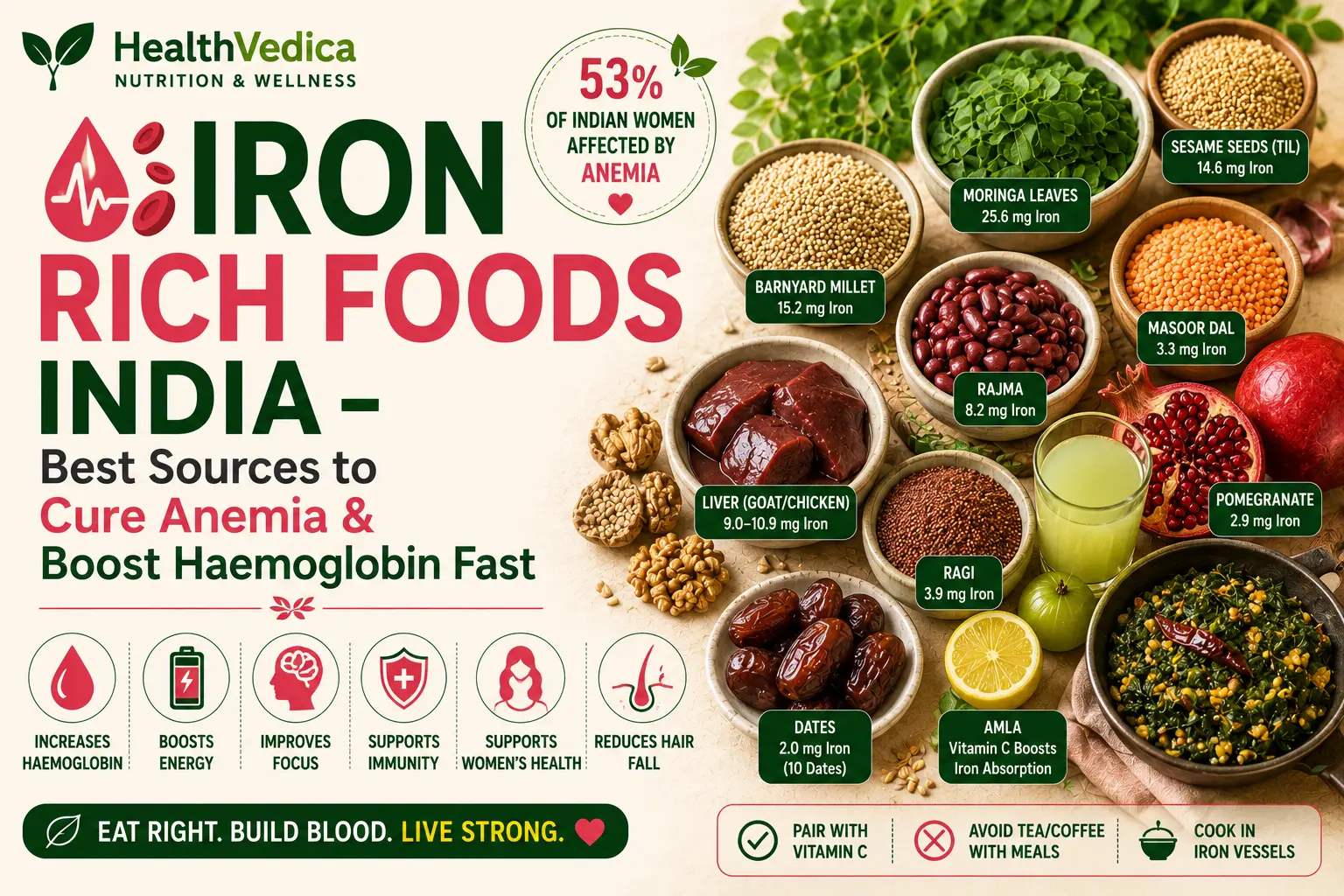
🩸 IntroductionIndia has the highest burden of anemia in the entire world β€” with 53% of Indian women...
Read More
Best Foods for Joint Pain and Arthritis Relief Health Conditions
Best Foods for Joint Pain and Arthritis Relief
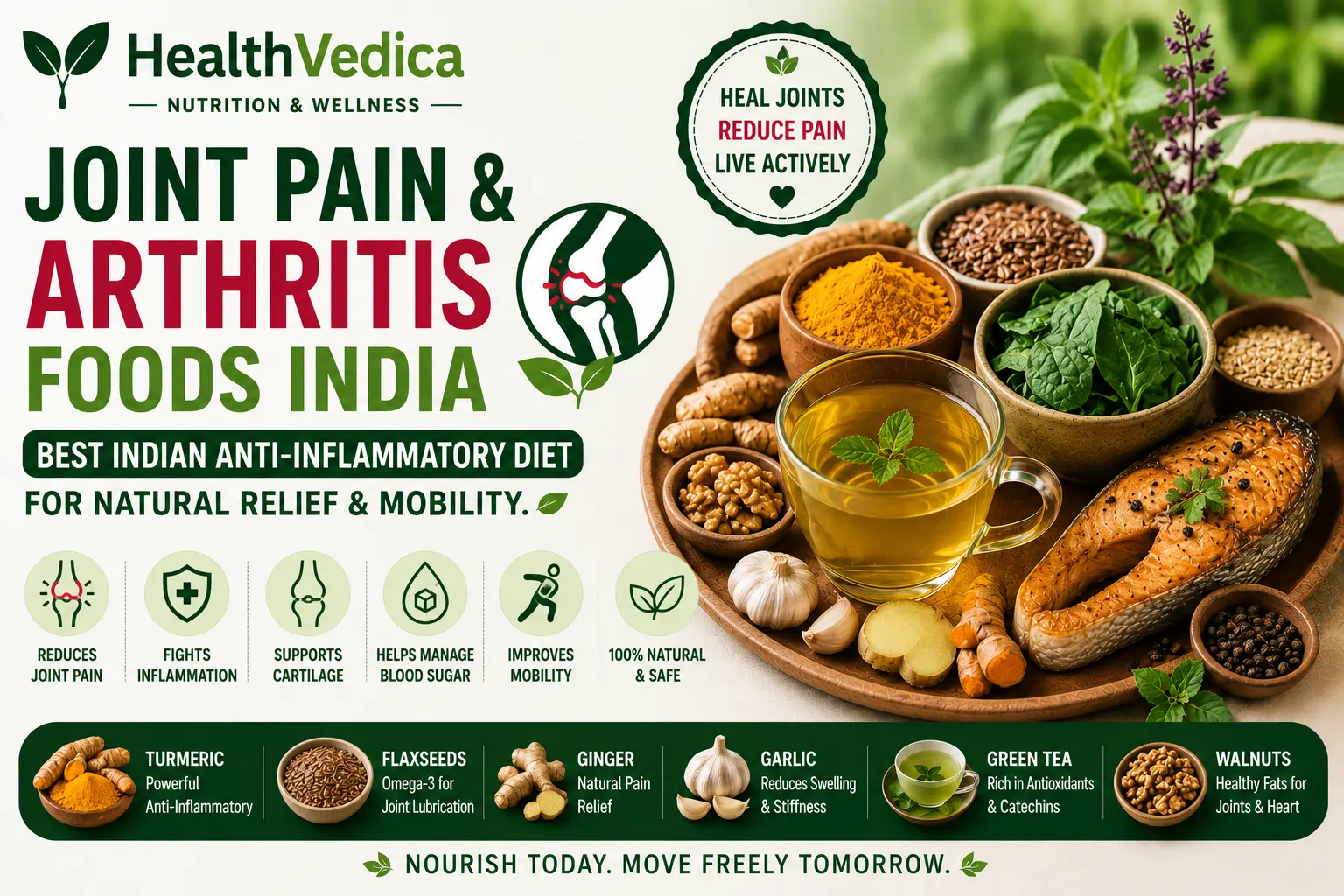
🦴 Arthritis in India: A Growing CrisisArthritis affects over 180 million Indians β€” a prevalence hig...
Read More
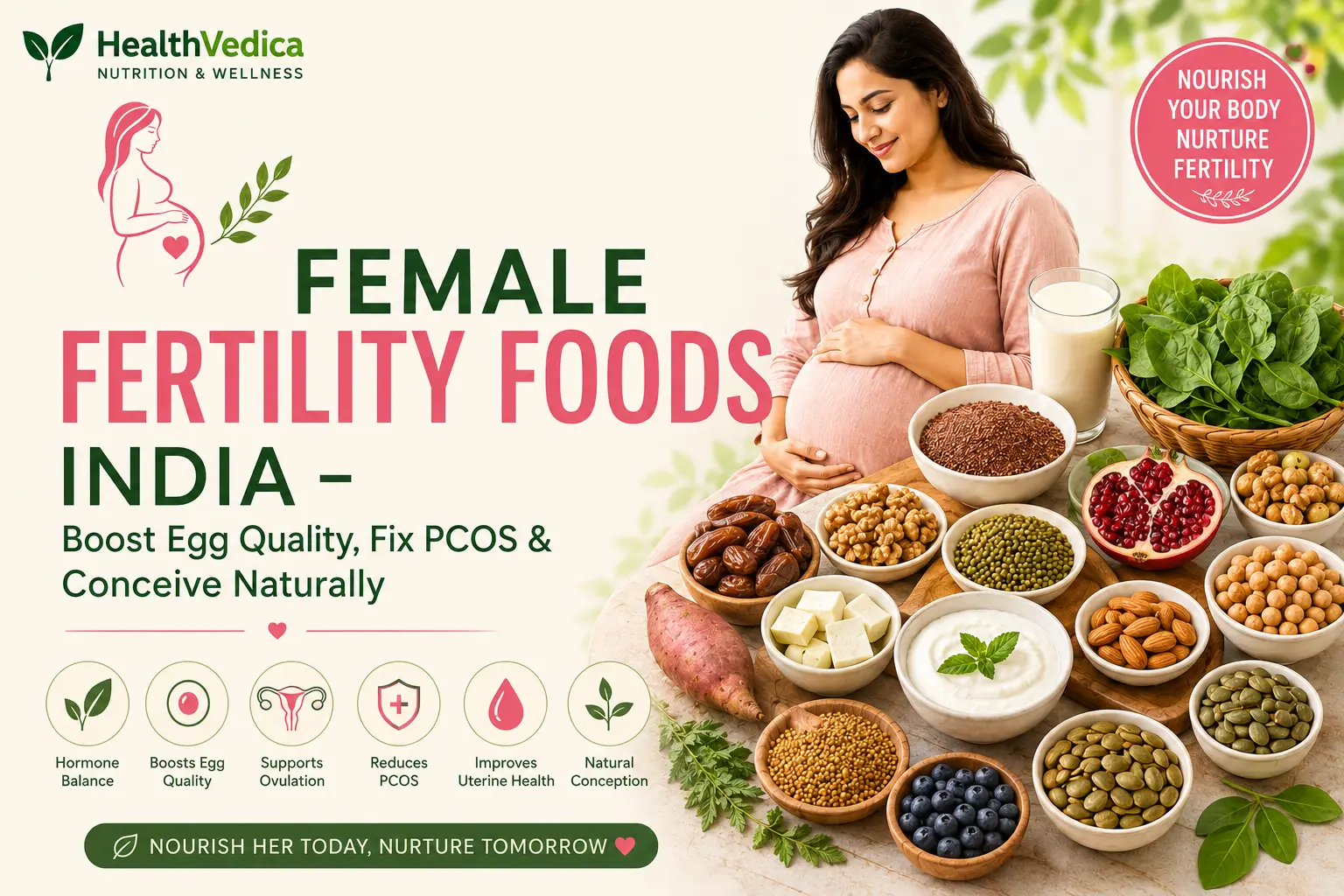
Foods That Boost Female Fertility Health Conditions
Foods That Boost Female Fertility
πŸ‘© IntroductionFemale infertility affects approximately 1 in 5–6 couples in India β€” making it one of...
Read More
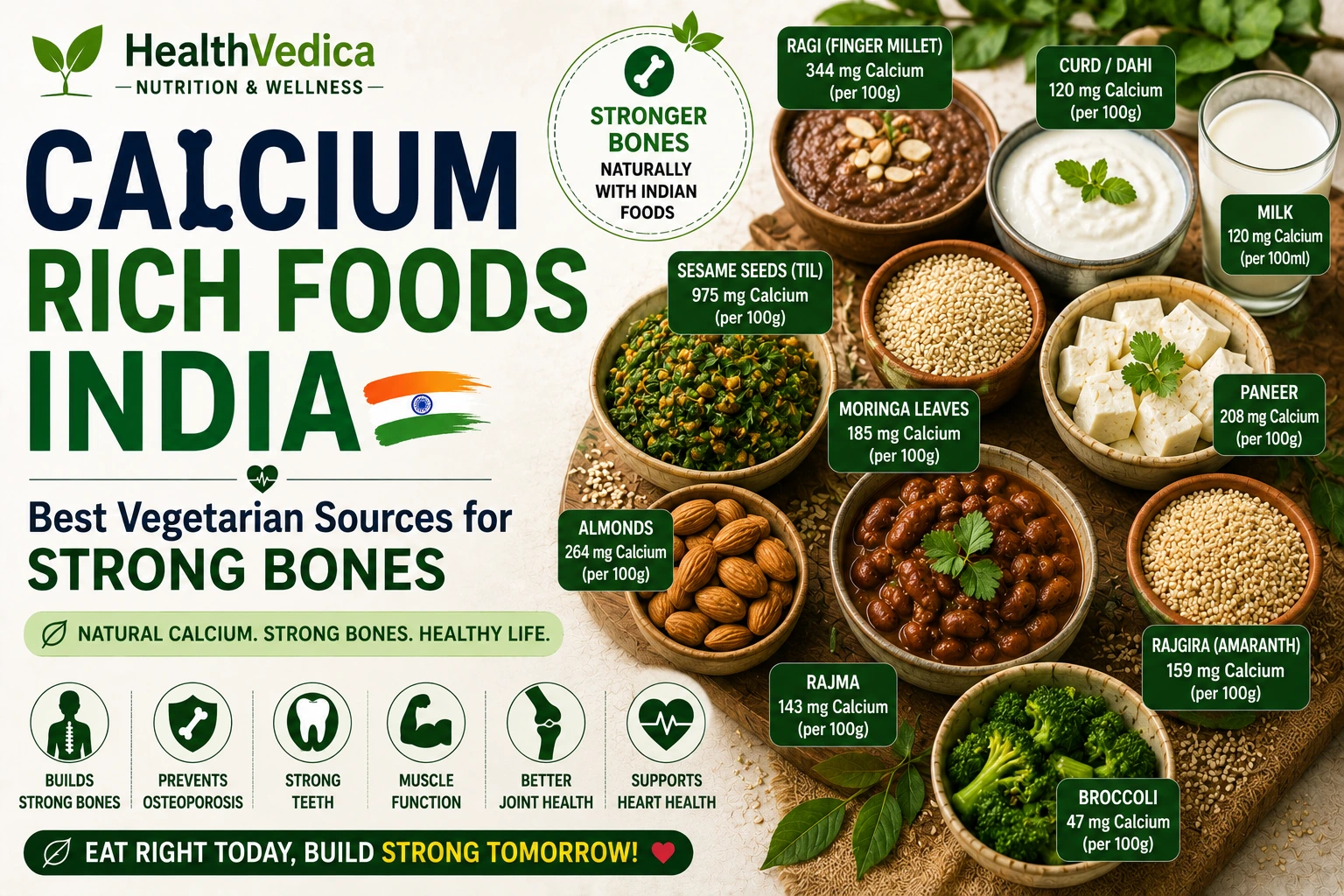
Best Calcium-Rich Foods for Strong Bones Vitamins & Minerals
Best Calcium-Rich Foods for Strong Bones
🦴 India's Silent Bone CrisisOsteoporosis and bone disease are hidden epidemics in India. Despite be...
Read More
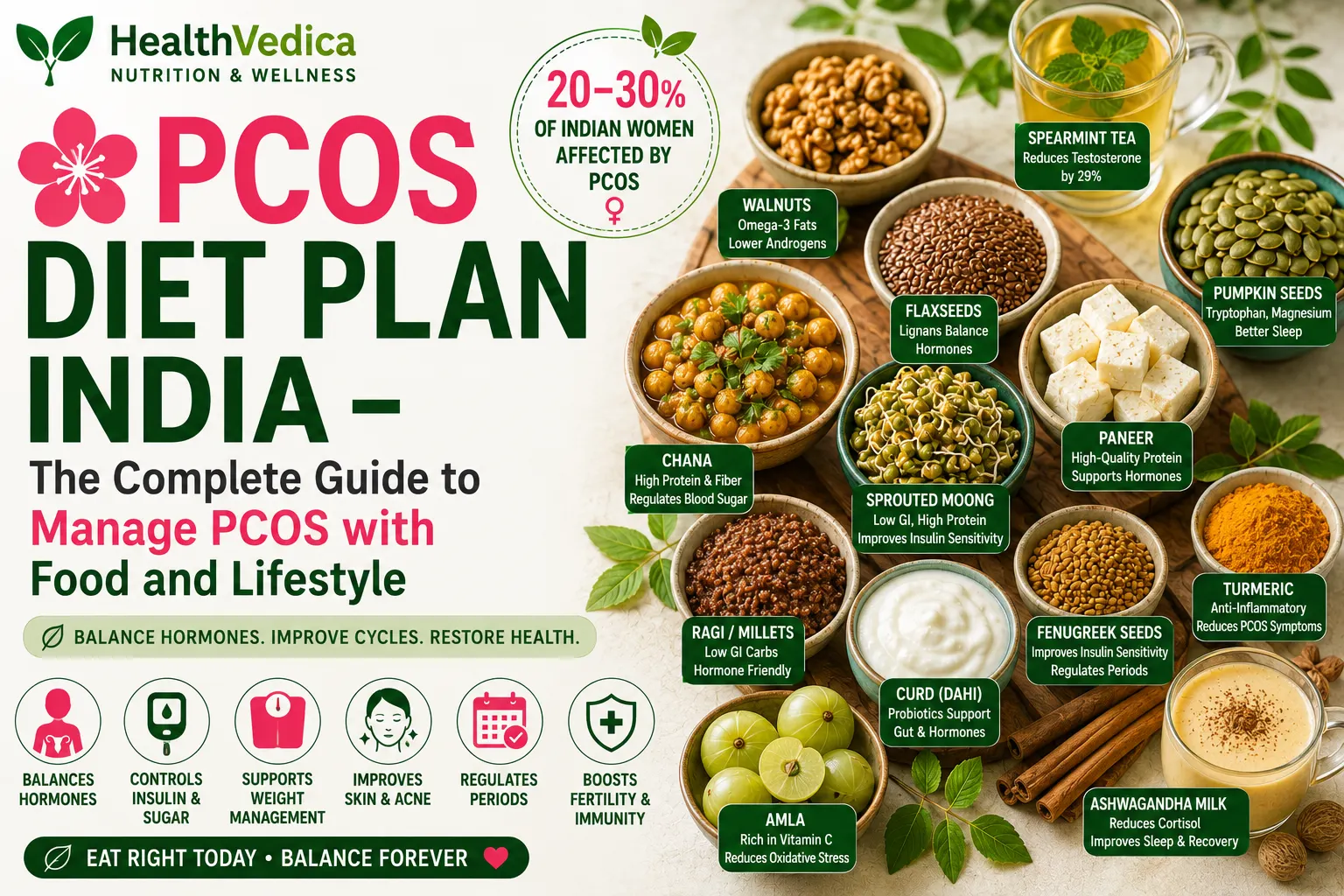
PCOS Diet Plan India Health Conditions
PCOS Diet Plan India
🌸 IntroductionPCOS (Polycystic Ovarian Syndrome) is the most searched women health topic in India i...
Read More
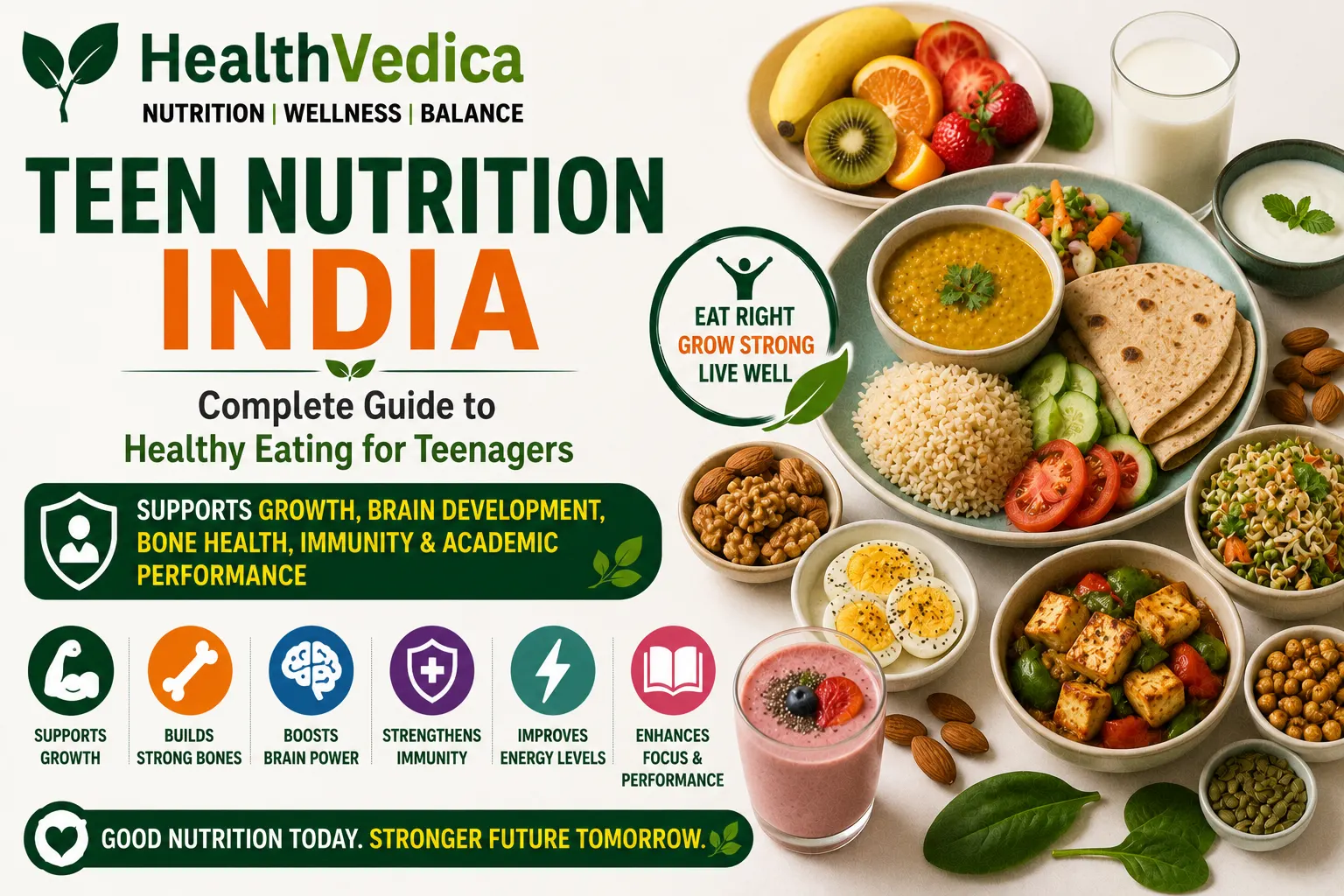
Teen Nutrition India Pregnancy & Family
Teen Nutrition India
πŸ§‘β€πŸŽ“ Why Teen Nutrition MattersAdolescence is one of the fastest growth periods in life. During the...
Read More
Best Foods for Strong Teeth & Gum Health Health Conditions
Best Foods for Strong Teeth & Gum Health
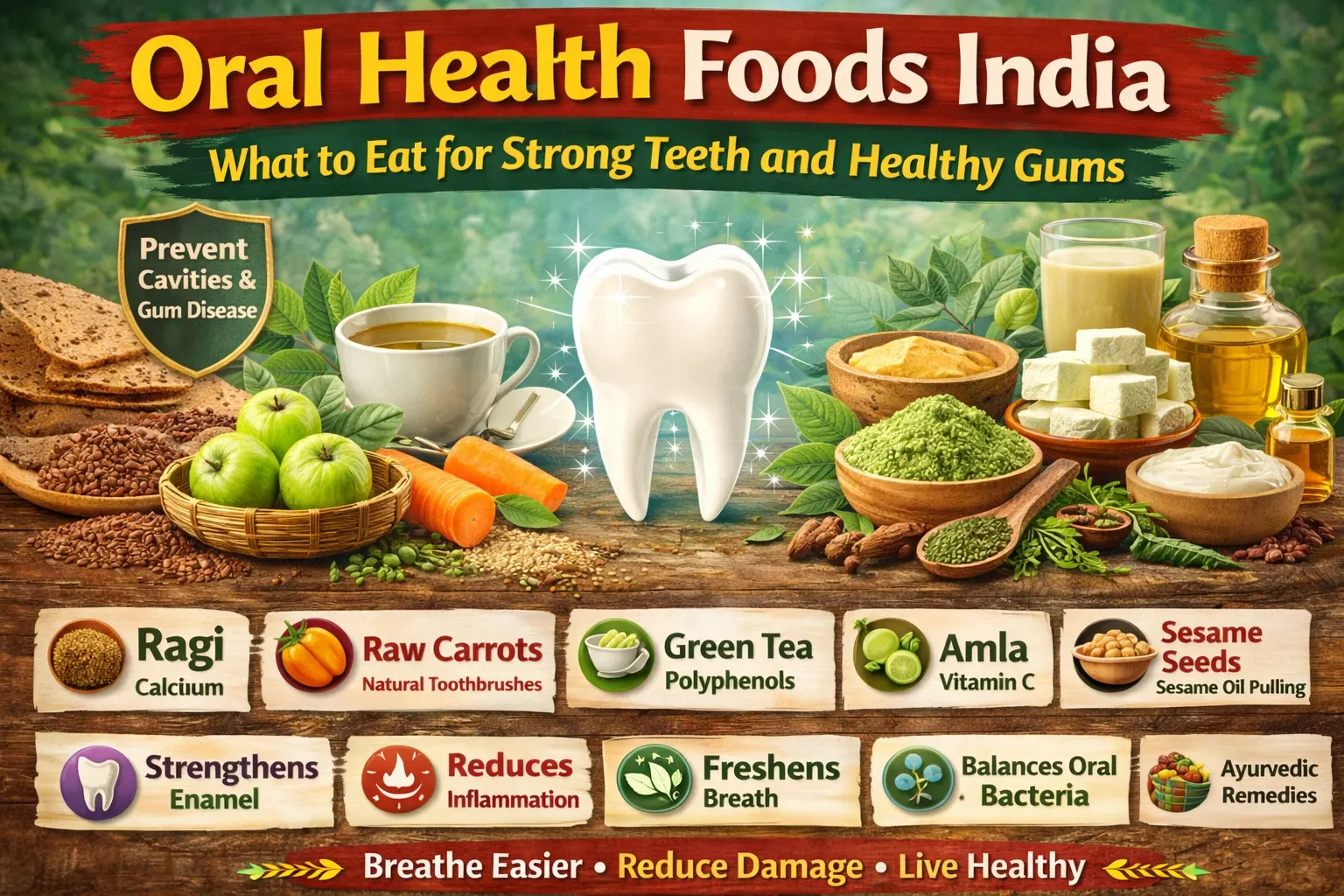
🦷 India's Oral Health CrisisOral diseases affect nearly 95% of Indian adults, according to the Indi...
Read More
Mediterranean Diet Plan in India Diet Plans
Mediterranean Diet Plan in India
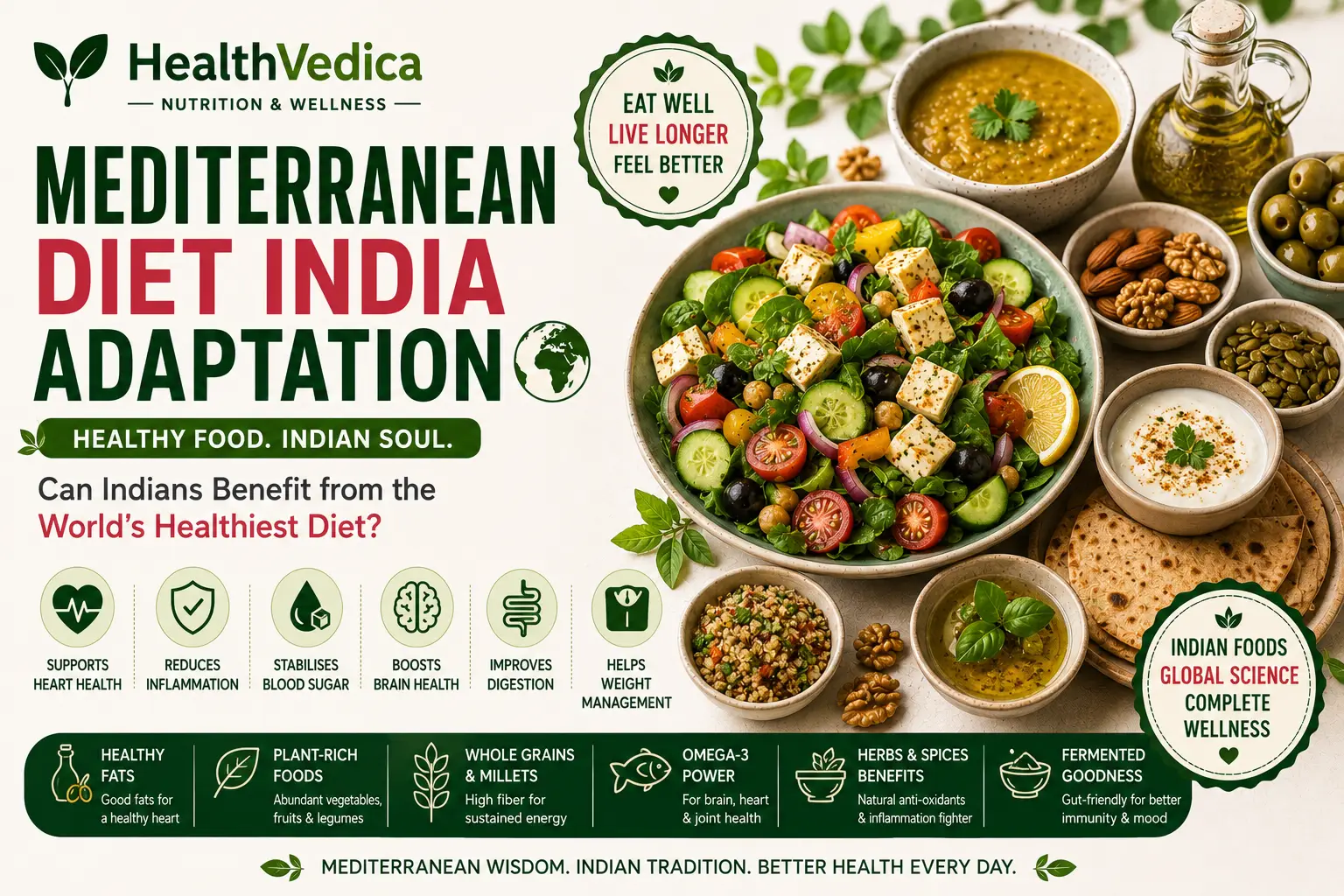
🌍 The World's Healthiest Diet β€” and How It Applies to IndiaThe Mediterranean diet consistently rank...
Read More
Foods for Cold and Cough Season Health Conditions
Foods for Cold and Cough Season
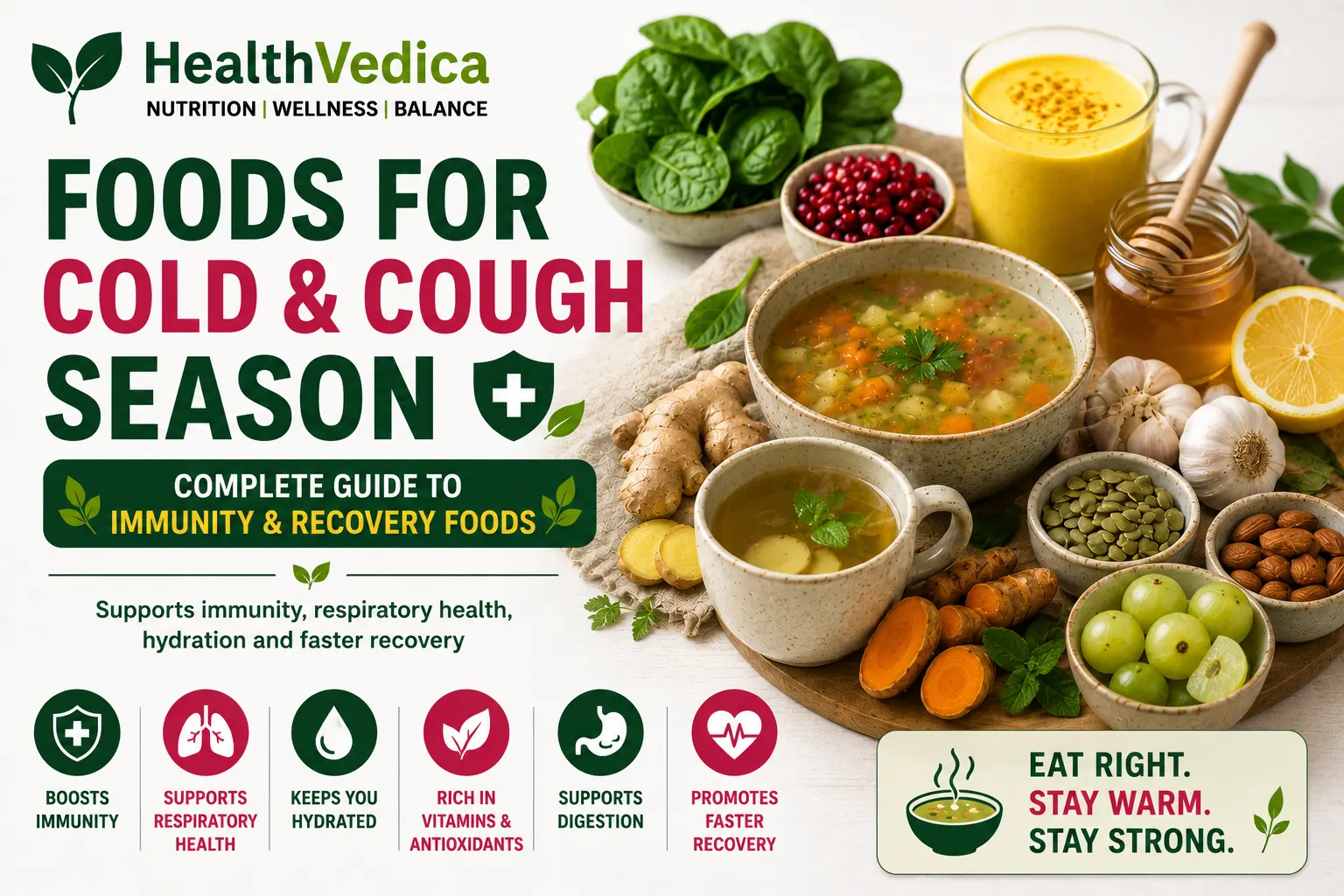
🀧 Why Nutrition Matters During Cold and Cough SeasonCold and cough are common seasonal illnesses, e...
Read More
HealthVedica Editorial Team

HealthVedica Editorial Team

Written by Raviteja

Our content is AI-assisted and editorially reviewed to ensure accuracy against Ayurvedic guidelines and Indian health research. Learn more β†’