Food Comparisions

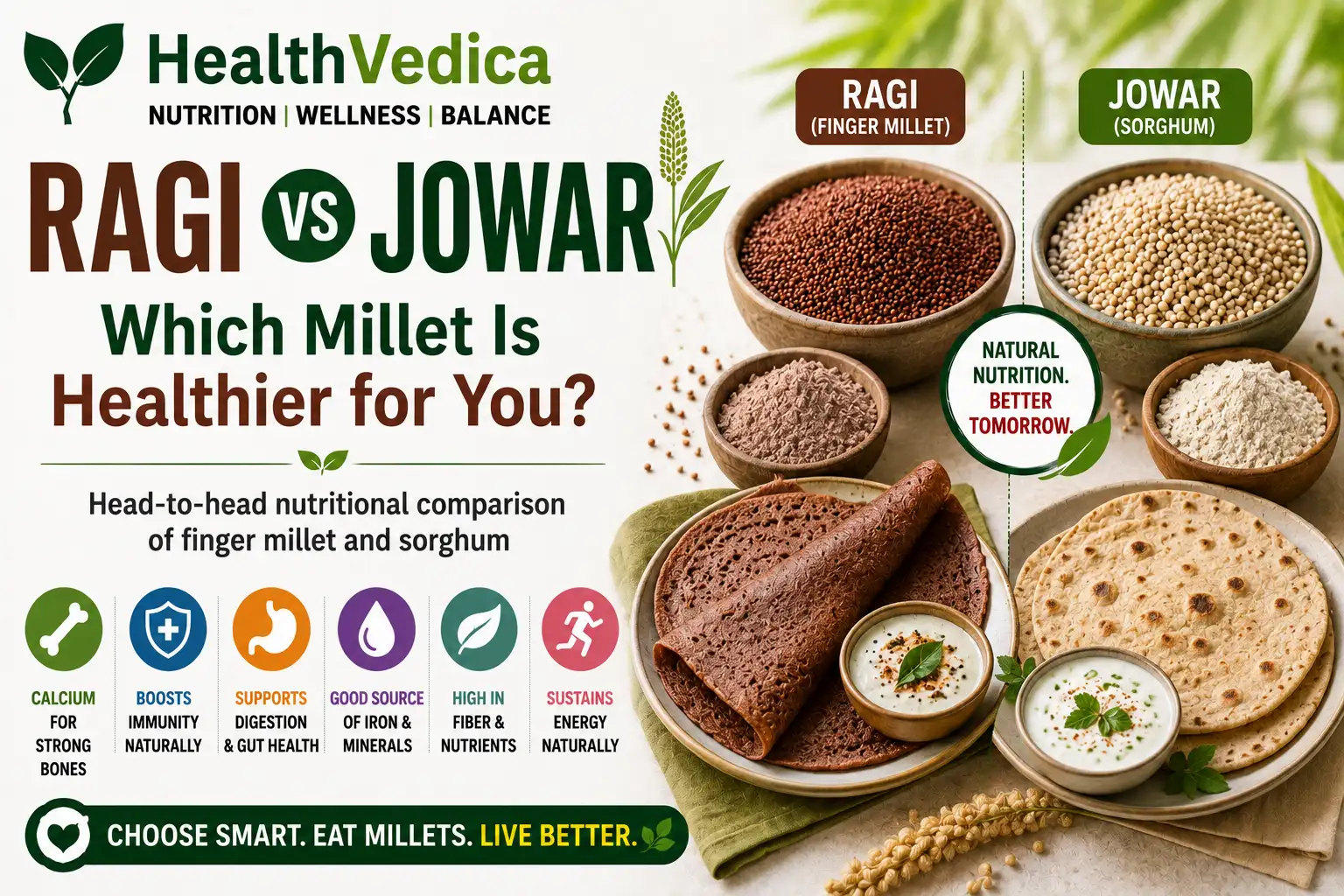
Ragi vs Jowar ๐ŸŒพ: Which Millet Is Healthier for You?

Last updated:
Ragi vs Jowar Comparison โ€” Nutrition, Health Benefits & Remedies
Ragi vs Jowar: Which Millet Is Better? Full Comparison | Health Vedica
โš ๏ธ Medical Disclaimer: This content is for informational purposes only and does not constitute medical advice. Always consult a qualified healthcare professional for diagnosis and treatment.

๐ŸŒพ Two Millets, Two Different Strengths

Ragi (finger millet) and jowar (sorghum) are both traditional Indian millets that have re-entered mainstream nutrition conversations as healthier alternatives to refined wheat and rice. While they're often grouped together as 'healthy millets,' they have meaningfully different nutritional profiles and are suited to somewhat different needs. Neither is universally 'better' โ€” the right choice depends on what you're optimising for.

Ragi is the standout choice for calcium and iron, making it particularly valuable for growing children, pregnant women, and anyone managing bone health. Jowar offers a more balanced macro profile with higher protein and is gentler on the gut for some people due to its fibre structure.

๐Ÿ“Š Ragi vs Jowar: Nutritional Comparison (per 100g, raw flour)

NutrientRagiJowarAdvantage
Calcium344mg25mgRagi (13x higher)
Iron3.9mg4.1mgRoughly equal
Protein7.3g10.4gJowar
Fibre3.6g6.3gJowar
Glycaemic Index~54 (low-medium)~52 (low-medium)Roughly equal
GlutenNaturally gluten-freeNaturally gluten-freeEqual
Carbohydrates72g67gJowar (slightly lower)

โœ… Where Ragi Wins

Bone health: Ragi's calcium content is exceptional among grains โ€” roughly equivalent to dairy sources gram for gram. This makes ragi particularly valuable for children's growth, post-menopausal women managing bone density, and anyone with limited dairy intake.

Diabetic-friendly preparations: Ragi's slow-digesting starch combined with its fibre content produces a gentler blood sugar response, especially when consumed as a fermented preparation like ragi dosa, where fermentation further lowers the glycaemic impact.

Infant and toddler nutrition: Ragi porridge (ragi malt) is a traditional first-food in many Indian households due to its digestibility and mineral density, often introduced before other grains.

โœ… Where Jowar Wins

Higher protein: Jowar's protein content is meaningfully higher than ragi's, making it a better choice for those looking to increase protein intake from grain sources, particularly vegetarians building daily protein from multiple sources.

Higher fibre: Jowar's fibre content nearly doubles ragi's, supporting digestive regularity and satiety โ€” useful for weight management goals.

Versatility in cooking: Jowar's neutral flavour and firmer texture make it well-suited to rotis that hold together more easily than ragi roti, which can be slightly more crumbly and requires more practice to roll.

๐Ÿฝ๏ธ Which Should You Choose?

If your priority is bone health, calcium intake, or you're feeding growing children, ragi is the stronger choice. If your priority is protein, fibre for digestion or weight management, or you want a roti that's easier to prepare, jowar has the edge. Many nutritionists recommend rotating both through the week rather than committing exclusively to one โ€” alternating ragi roti, jowar roti, and occasional wheat roti provides a broader nutrient spread than relying on a single grain daily.
โ“ Frequently Asked Questions

Common questions about Ragi vs Jowar Comparison

Jowar has a slight edge for weight loss due to its higher fibre content (6.3g vs 3.6g per 100g), which supports greater satiety and helps control overall calorie intake. However, both are low to medium glycaemic index grains and significantly better choices than refined wheat or white rice for weight management. The actual difference between ragi and jowar for weight loss is minor compared to the benefit of switching from refined grains to either millet.
Both ragi and jowar have similar low-to-medium glycaemic index values and are considered diabetic-friendly grains, significantly better than white rice or refined wheat flour. Ragi has a slight advantage when consumed in fermented forms like dosa, where fermentation further reduces the glycaemic impact. Jowar's higher fibre content also helps slow glucose absorption. Diabetics can benefit from rotating both rather than relying on just one grain.
Yes, mixing ragi and jowar flour (often with a small portion of wheat or bajra) is a common traditional practice that creates a multigrain flour with a more balanced nutrient profile, combining ragi's calcium strength with jowar's protein and fibre advantage. This mixed flour also tends to make rotis that are easier to roll than ragi flour alone, since jowar contributes better binding texture.
Ragi is generally preferred for young children and toddlers due to its exceptional calcium content, which supports bone and teeth development during critical growth years. Ragi porridge (ragi malt) is a traditional first food introduced to infants in many Indian households. Jowar can be introduced as children grow older and need more dietary protein and fibre, making both valuable at different stages.
Yes, both ragi and jowar are naturally gluten-free grains, making them safe and suitable options for people with celiac disease or non-celiac gluten sensitivity. However, those with gluten intolerance should ensure the flour is processed in a gluten-free certified facility if cross-contamination is a concern, as some mills process multiple grains including wheat on shared equipment.
Related Blogs
Foods for Eye Health Health Conditions
Foods for Eye Health
๐Ÿ‘๏ธ Why Eye Health MattersHealthy eyes are essential for daily activities, learning, work and overall...
Read More
Best Gluten-Free Indian Foods Food Comparisions
Best Gluten-Free Indian Foods
๐ŸŒพ Gluten in the Indian Diet: A Growing ConcernCoeliac disease and non-coeliac gluten sensitivity ar...
Read More
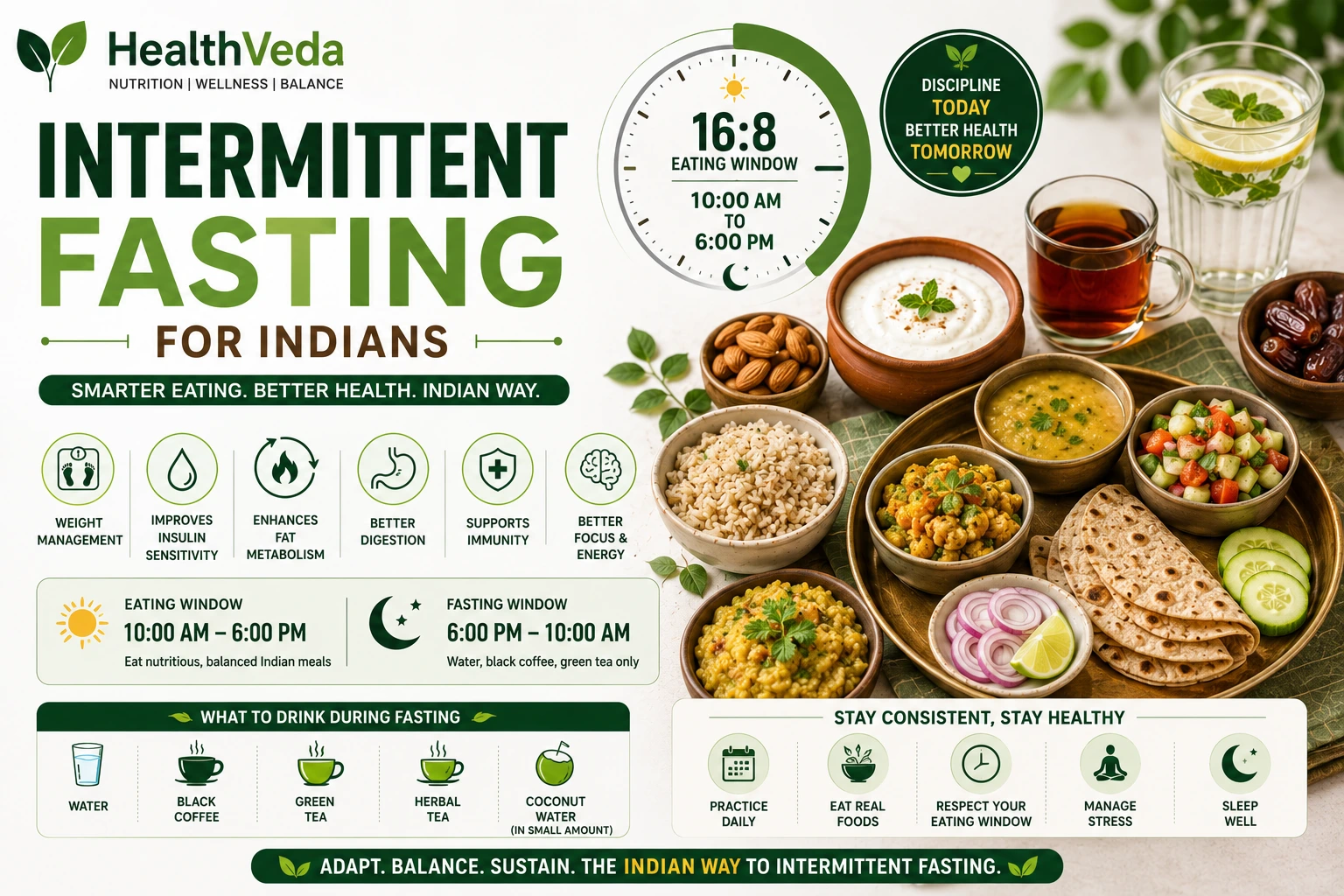
Intermittent Fasting Diet Plan in India Diet Plans
Intermittent Fasting Diet Plan in India
โฐ Why Intermittent Fasting Is Perfect for IndiansIntermittent fasting (IF) is not a foreign concept...
Read More
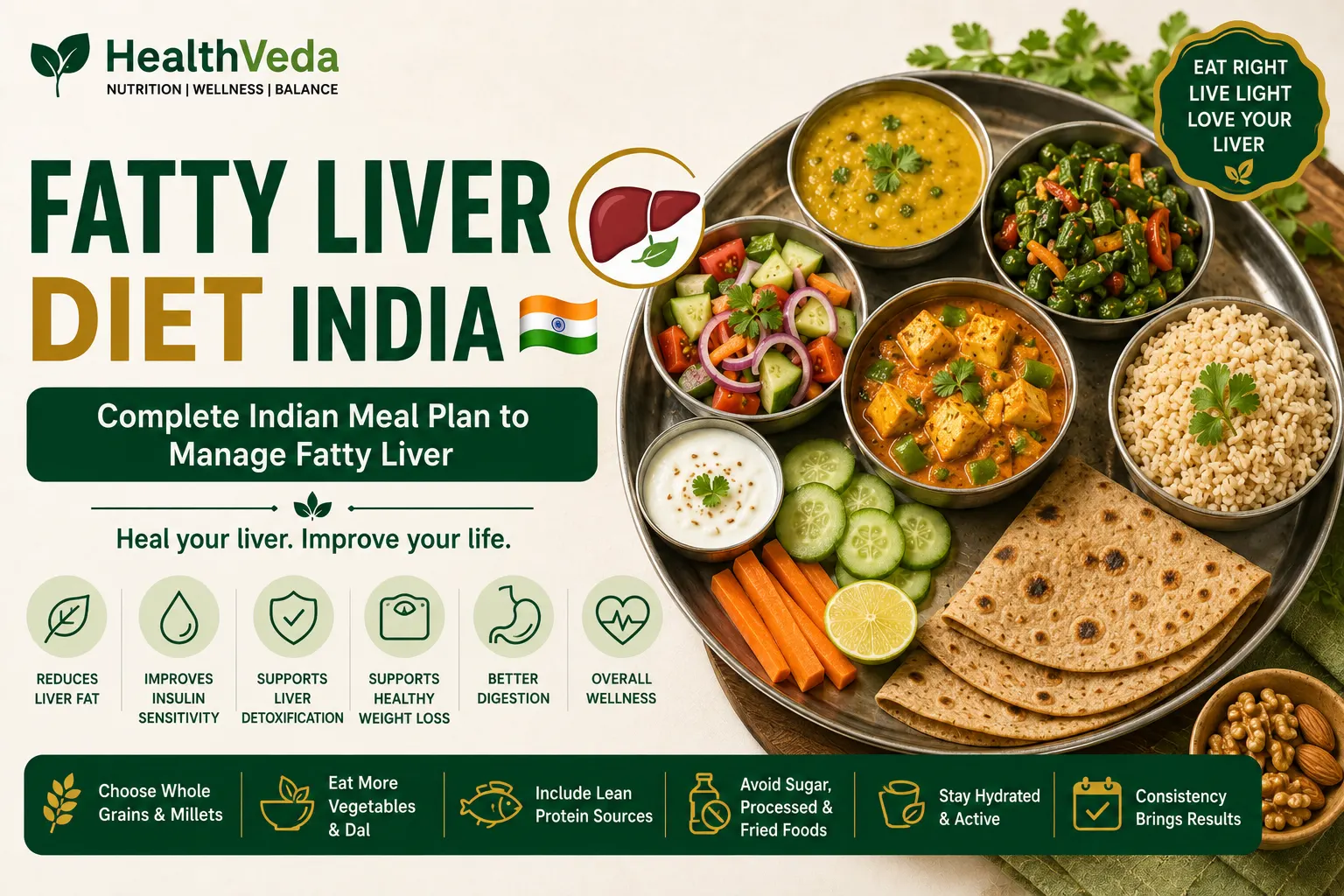
Fatty Liver Diet India Health Conditions
Fatty Liver Diet India
๐Ÿ‡ฎ๐Ÿ‡ณ Building a Fatty Liver Diet Around Indian StaplesManaging fatty liver in an Indian context does n...
Read More
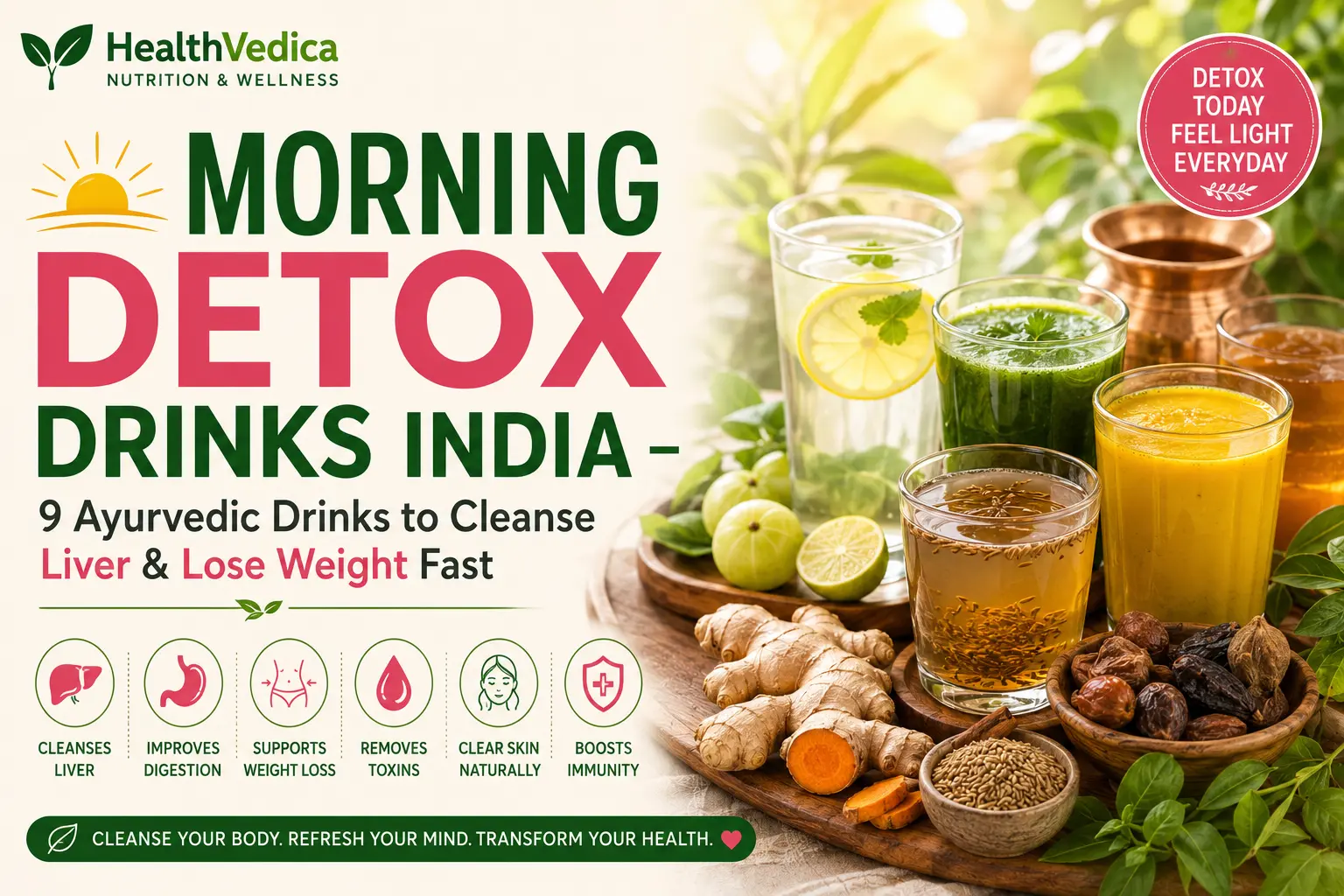
Best Morning Detox Drinks Fitness & Lifestyle
Best Morning Detox Drinks
๐ŸŒ… IntroductionThe morning hours โ€” from sunrise to 10 AM โ€” are considered the most powerful window f...
Read More
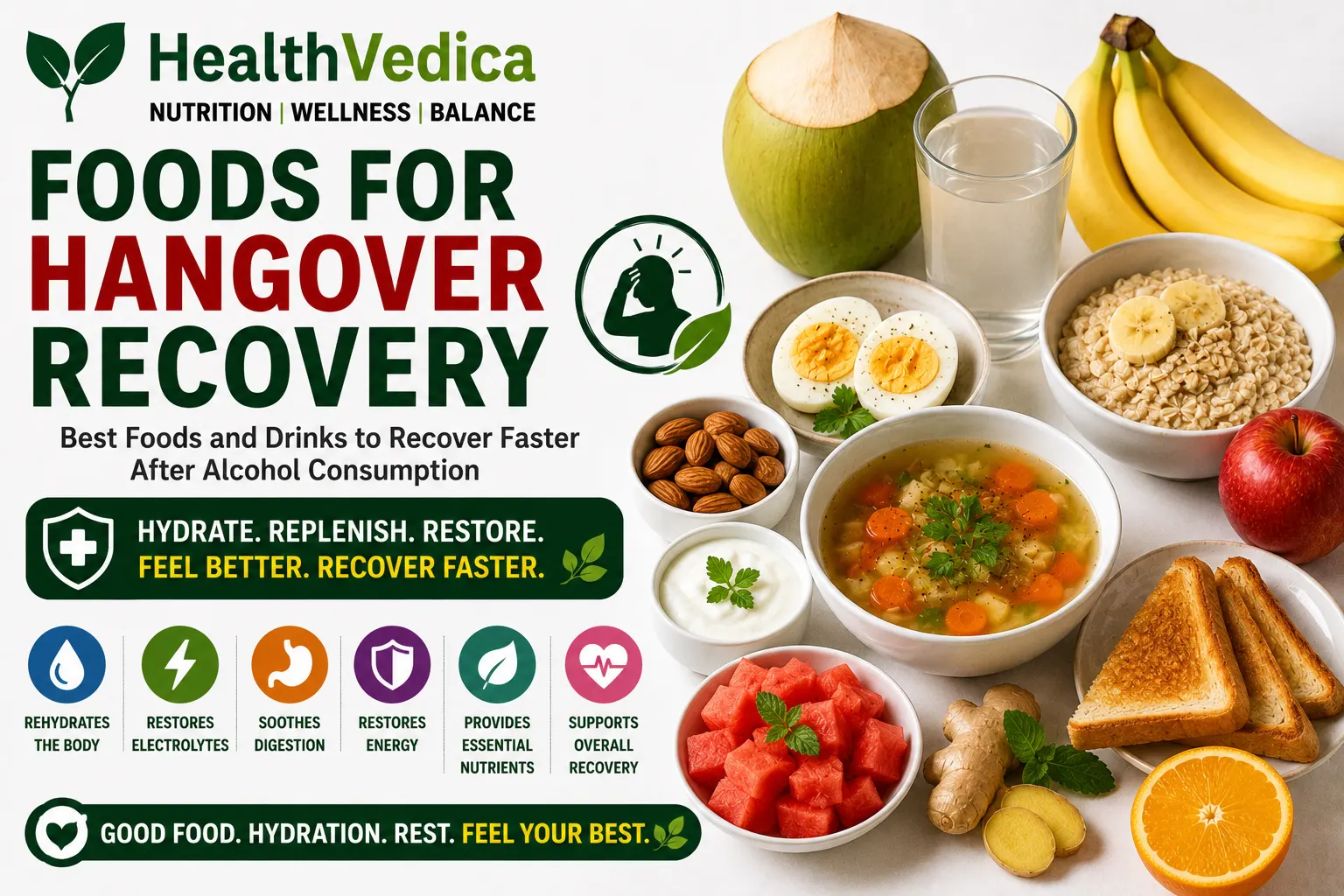
Best Foods for Hangover Recovery Nutrition
Best Foods for Hangover Recovery
๐Ÿบ Understanding a HangoverA hangover is your body's response to excessive alcohol consumption. Symp...
Read More
Best Cooking Oil for Health in India Food Comparisions
Best Cooking Oil for Health in India
๐Ÿซ™ India's Cooking Oil ConfusionWalk into any Indian grocery store and you'll find over 15 varieties...
Read More
Sattvic Diet Guide Diet Plans
Sattvic Diet Guide
๐Ÿ•‰๏ธ What Is a Sattvic Diet?The Sattvic diet is an ancient Ayurvedic eating approach designed to promo...
Read More
Ayurvedic Weight Loss Diet Nutrition
Ayurvedic Weight Loss Diet
๐ŸŒฟ Ayurveda's Timeless Approach to WeightLong before calorie counting apps and macros, India's ancie...
Read More
HealthVedica Editorial Team

HealthVedica Editorial Team

Written by Raviteja

Our content is AI-assisted and editorially reviewed to ensure accuracy against Ayurvedic guidelines and Indian health research. Learn more โ†’