Vitamins & Minerals

Vitamin E Benefits 🌻: Best Indian Foods and Why This Vitamin Matters

Last updated:
Vitamin E Benefits and Foods β€” Nutrition, Health Benefits & Remedies
Vitamin E Benefits and Best Indian Foods | Health Vedica
⚠️ Medical Disclaimer: This content is for informational purposes only and does not constitute medical advice. Always consult a qualified healthcare professional for diagnosis and treatment.

🌻 The Antioxidant Vitamin Working Inside Your Cell Membranes

Vitamin E is a fat-soluble antioxidant that primarily protects cell membranes from oxidative damage caused by free radicals. Unlike water-soluble vitamin C, which works in the fluid portions of cells and blood, vitamin E embeds within the fatty membrane structure of cells, providing a distinct and complementary layer of antioxidant protection. This makes vitamin E particularly important for tissues with high fat content and high oxidative exposure β€” skin, blood vessel linings, and cell membranes throughout the body.

πŸ”¬ Vitamin E's Key Benefits

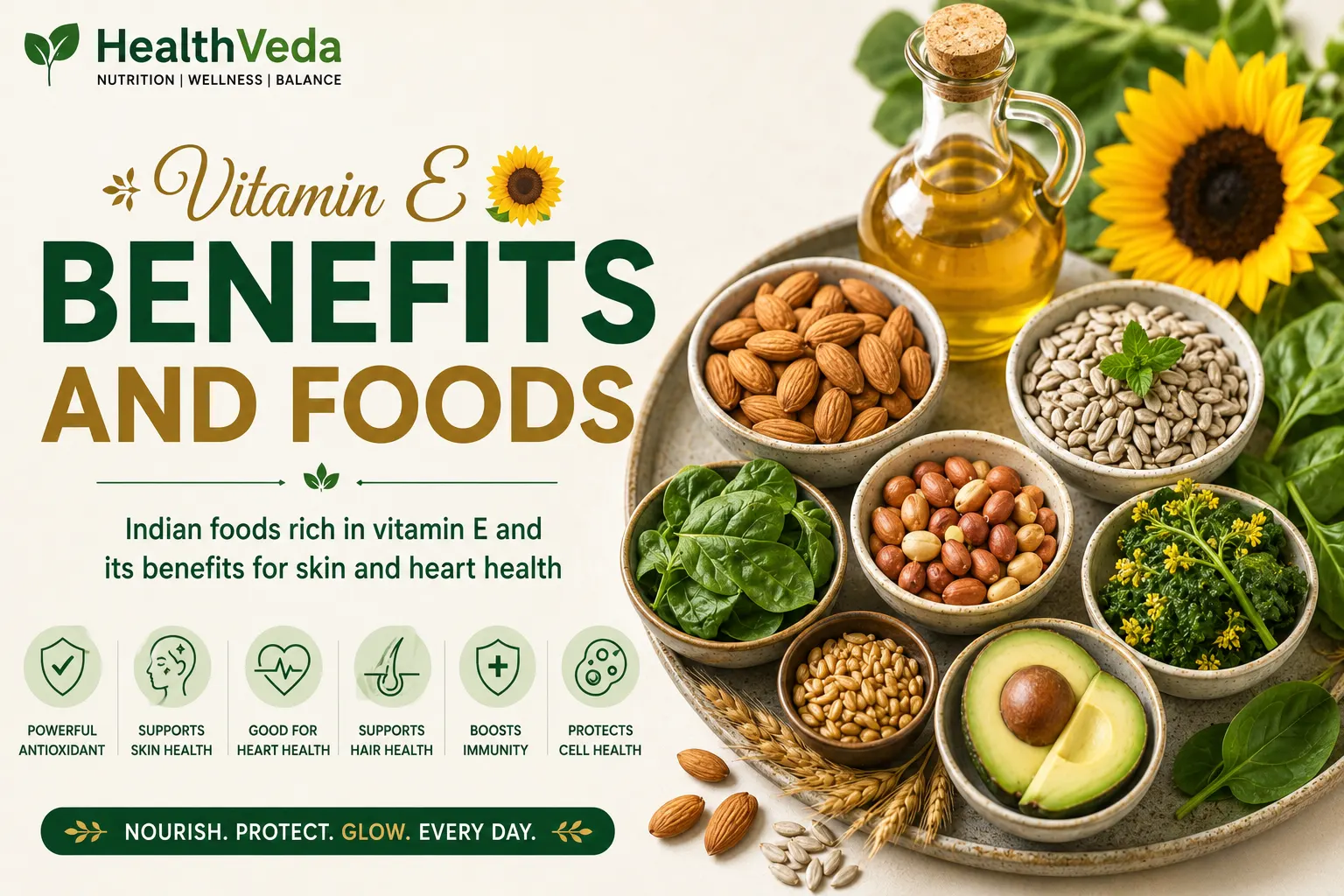
Skin protection: Vitamin E protects skin cell membranes from UV-induced oxidative damage and supports skin barrier function, which is why it's a common ingredient in skincare products, though dietary intake also contributes to overall skin health from within.

Cardiovascular support: Vitamin E prevents oxidation of LDL cholesterol particles, a process believed to be a key step in the development of atherosclerosis, making adequate vitamin E intake relevant to heart health, though it should complement rather than replace other heart-healthy practices.

Immune function: Vitamin E supports immune cell membrane integrity and function, with deficiency associated with impaired immune response, particularly in older adults.

Hair and scalp health: Vitamin E's antioxidant action supports scalp circulation and reduces oxidative stress around hair follicles, contributing to the common association between vitamin E and hair health, though severe hair issues usually involve multiple factors beyond a single nutrient.

πŸ“Š Top Vitamin E Rich Indian Foods (per 100g)

FoodVitamin E (mg/100g)% Daily Value*Easy Way to Add
Almonds (badam)25.6171%Daily snack, soaked
Sunflower seeds35.2235%Snack, salad topping
Wheat germ oil149993%Small amount in salad dressing
Peanuts (groundnut)8.355%Roasted snack, chutney
Spinach (palak)2.013%Sabzi, dal
Sunflower oil41.1274%Cooking oil (in moderation)
Avocado2.114%Chutney, salad
Mustard greens (sarson)2.919%Sarson ka saag

*Based on 15mg/day for adults.

⚠️ Signs of Vitamin E Deficiency

True vitamin E deficiency is relatively uncommon in people eating a varied diet, since it's present in many nuts, seeds, and oils, but it can occur in people with fat malabsorption conditions (since vitamin E requires dietary fat for absorption), very restrictive diets, or certain genetic conditions. Signs include muscle weakness, vision problems, and impaired immune response. More commonly, people have suboptimal rather than severely deficient vitamin E status, particularly if nut and seed intake is low.

🍽️ Practical Vitamin E Plan

Daily: A small handful of almonds or sunflower seeds easily covers a significant portion of daily vitamin E needs in a single convenient snack.

Cooking: Using a moderate amount of sunflower oil or incorporating peanuts into chutneys and cooking adds vitamin E without requiring dramatic dietary changes.

Pairing with fat: Since vitamin E is fat-soluble, eating vitamin E sources alongside some dietary fat (which most nuts and seeds already contain naturally) ensures good absorption without needing to think about it separately.
❓ Frequently Asked Questions

Common questions about Vitamin E Benefits and Foods

Among commonly eaten Indian foods, sunflower seeds and almonds are among the richest sources, with sunflower seeds containing approximately 35mg per 100g and almonds approximately 25.6mg per 100g. Wheat germ oil has an exceptionally high concentration but is used in much smaller quantities, so practically speaking, daily nuts and seeds tend to be the more realistic primary contributor to vitamin E intake.
Vitamin E's antioxidant action protects skin cell membranes from oxidative stress, which can contribute to healthier-looking skin over time, but it is not a quick fix for instant glow. The skin benefits of dietary vitamin E develop gradually as part of an overall nutrient-adequate diet, working alongside other factors like hydration, sleep, and protection from sun damage, rather than functioning as a standalone solution for skin appearance.
Getting excess vitamin E from whole foods like nuts, seeds, and oils is very unlikely to cause harm, since the body regulates absorption and food sources are not concentrated enough to reach toxic levels through normal eating patterns. High-dose vitamin E supplements, however, can interact with blood-thinning medications and have been associated with increased bleeding risk at very high doses, which is why food sources are generally preferred over supplementation unless specifically advised by a doctor.
Vitamin E's antioxidant properties may support scalp health by reducing oxidative stress around hair follicles, which is the basis for its association with hair health. However, hair growth and hair loss are influenced by many factors including genetics, hormones, overall nutrition, and stress, so vitamin E alone should not be expected to resolve significant hair loss. It works best as part of an overall nutrient-adequate diet rather than as an isolated remedy.
Adults generally require approximately 15mg of vitamin E daily according to most international guidelines. This amount is readily achievable through a diet that regularly includes nuts, seeds, and vegetable oils, making dietary deficiency uncommon in people eating a reasonably varied diet, though those with very low fat intake or certain digestive conditions affecting fat absorption may need to pay closer attention to their vitamin E sources.
Related Blogs
Neem Health Benefits and Uses Nutrition
Neem Health Benefits and Uses
🌿 Neem: India's Village PharmacyNeem (Azadirachta indica) β€” called Sarva Roga Nivarini (the curer o...
Read More
Electrolytes Foods Natural Sources Vitamins & Minerals
Electrolytes Foods Natural Sources
πŸ’§ What Are Electrolytes?Electrolytes are minerals that carry an electrical charge when dissolved in...
Read More
Foods for Thyroid Hair Loss Health Conditions
Foods for Thyroid Hair Loss
πŸ¦‹ Understanding Thyroid-Related Hair LossThe thyroid gland plays a major role in regulating metabol...
Read More
Health Benefits of Fermented Foods for Gut Health Recipes
Health Benefits of Fermented Foods for Gut Health
🦠 Your Inner Universe: The Indian Gut MicrobiomeInside every Indian lives a vast microbial ecosyste...
Read More
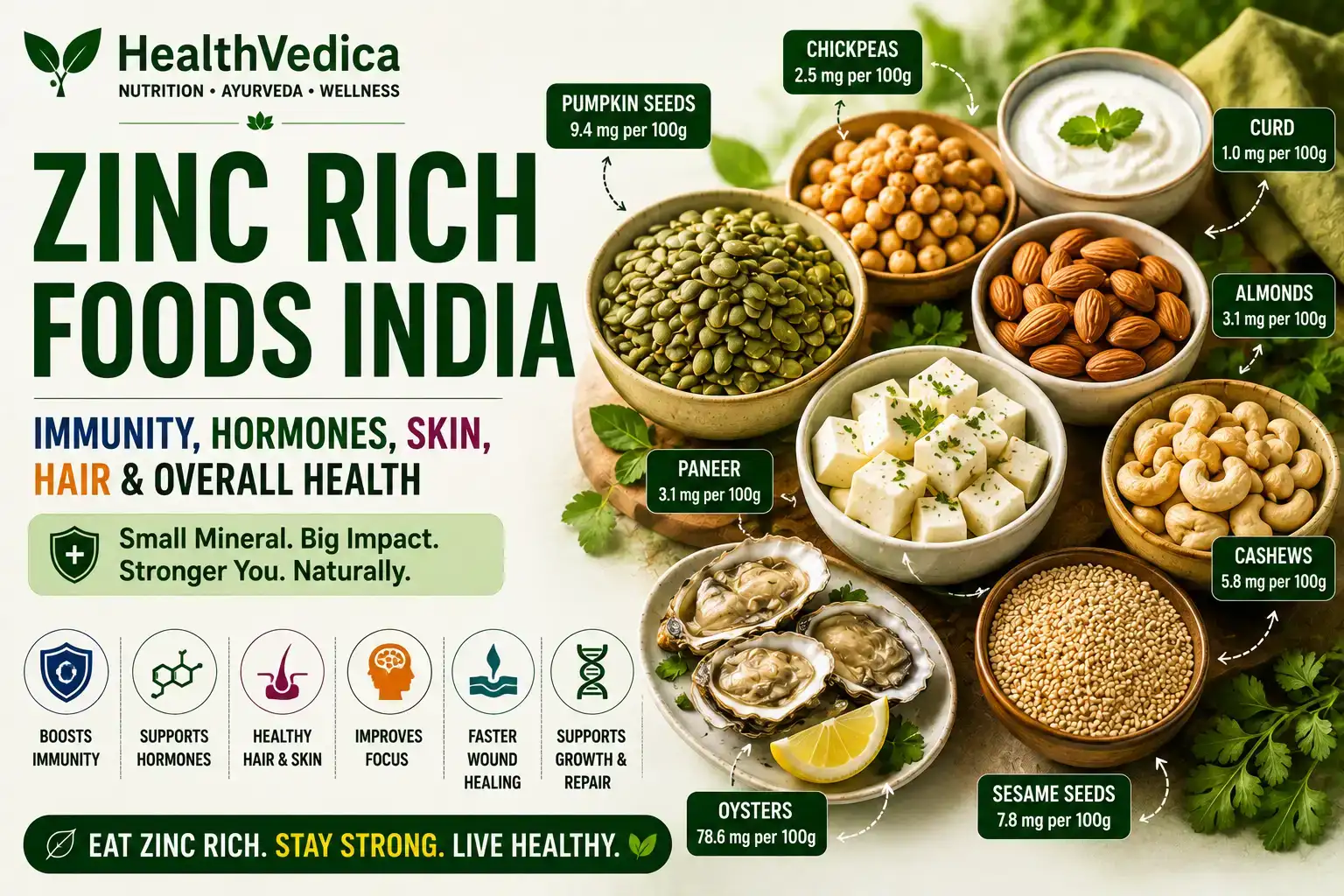
Zinc Rich Foods India Vitamins & Minerals
Zinc Rich Foods India
πŸ›‘οΈ Why Zinc Deserves More AttentionZinc is a trace mineral required for immune cell function, wound...
Read More
Foods for PCOS Weight Loss Health Conditions
Foods for PCOS Weight Loss
🌸 Understanding PCOS and Weight GainPolycystic Ovary Syndrome (PCOS) is a hormonal condition that o...
Read More
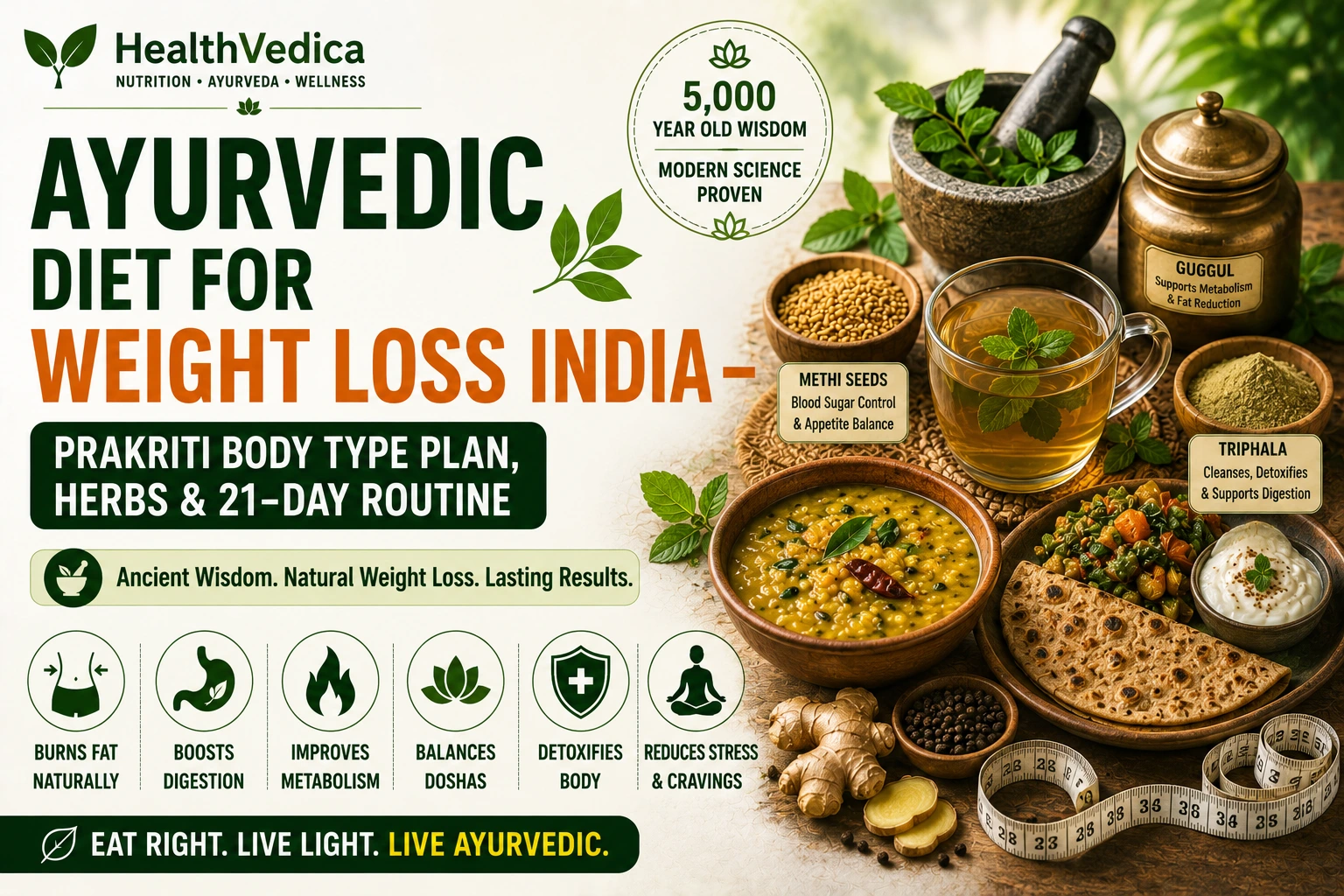
Ayurvedic Weight Loss Diet Nutrition
Ayurvedic Weight Loss Diet
🌿 Ayurveda's Timeless Approach to WeightLong before calorie counting apps and macros, India's ancie...
Read More
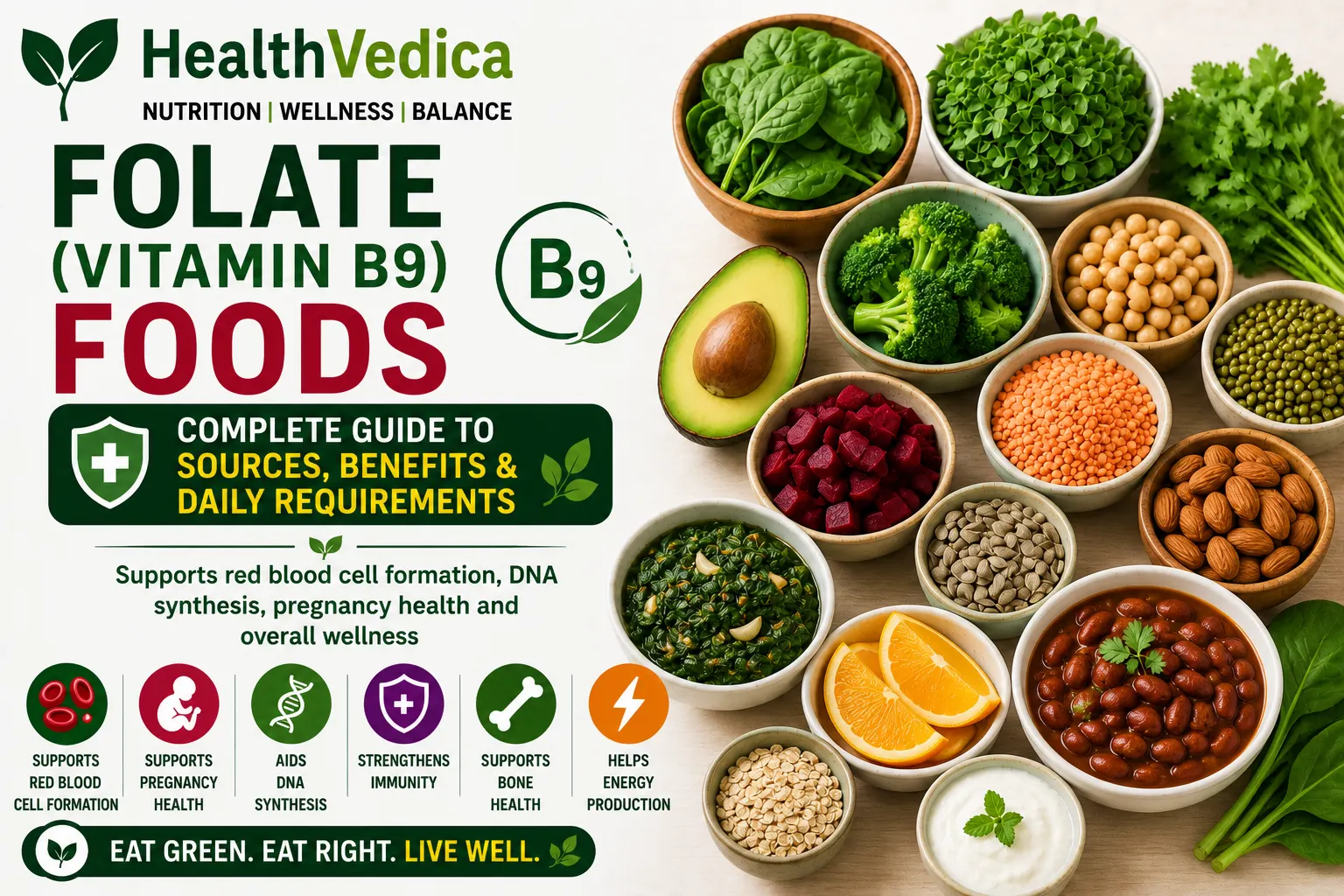
Folate Vitamin B9 Foods Vitamins & Minerals
Folate Vitamin B9 Foods
πŸ₯¬ What Is Folate (Vitamin B9)?Folate, also known as Vitamin B9, is a water-soluble vitamin essentia...
Read More
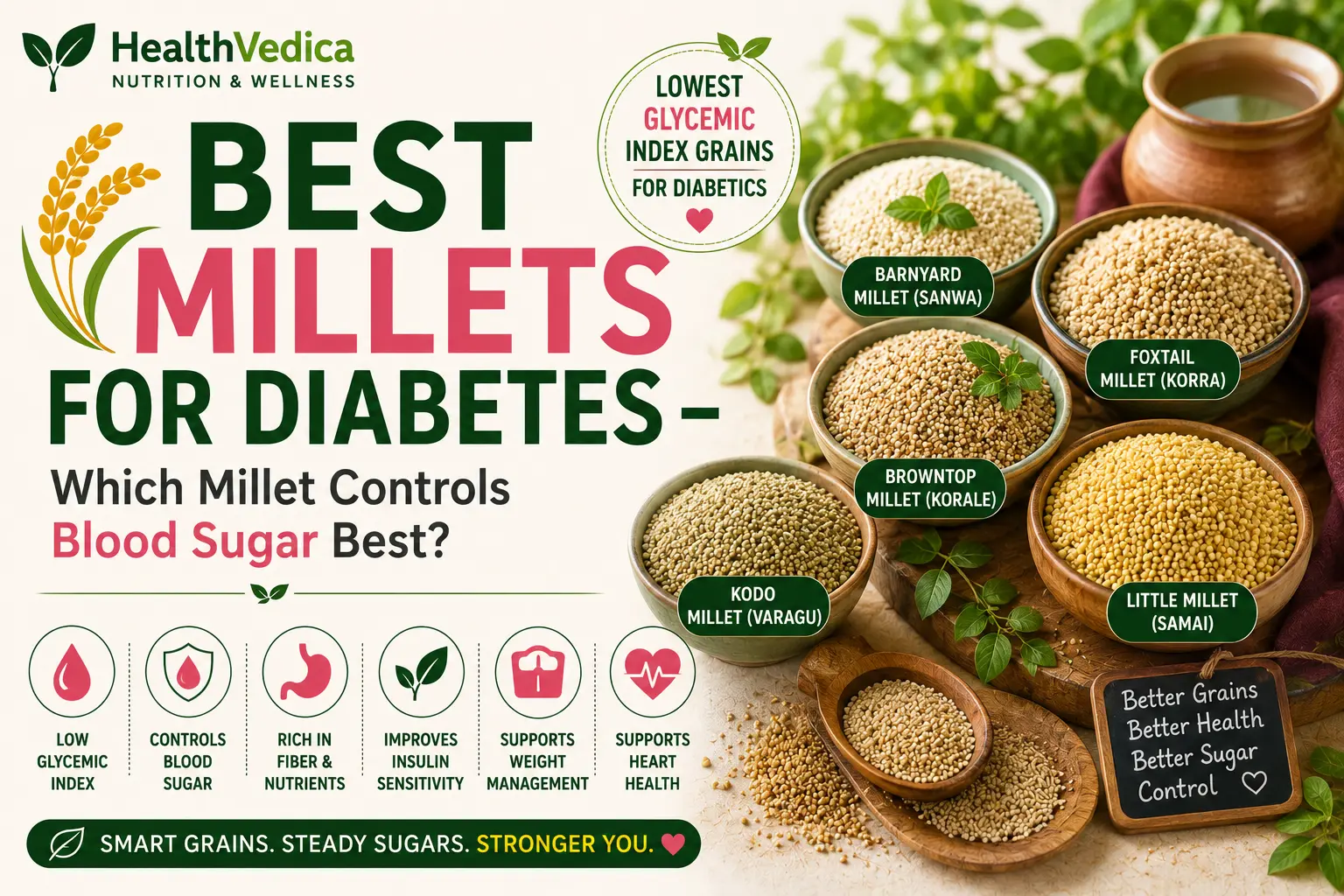
Best Millets for Diabetes in India Food Comparisions
Best Millets for Diabetes in India
🌾 IntroductionIndia has become the diabetes capital of the world β€” with over 101 million diabetics...
Read More
HealthVedica Editorial Team

HealthVedica Editorial Team

Written by Raviteja

Our content is AI-assisted and editorially reviewed to ensure accuracy against Ayurvedic guidelines and Indian health research. Learn more β†’