🌿 Introduction
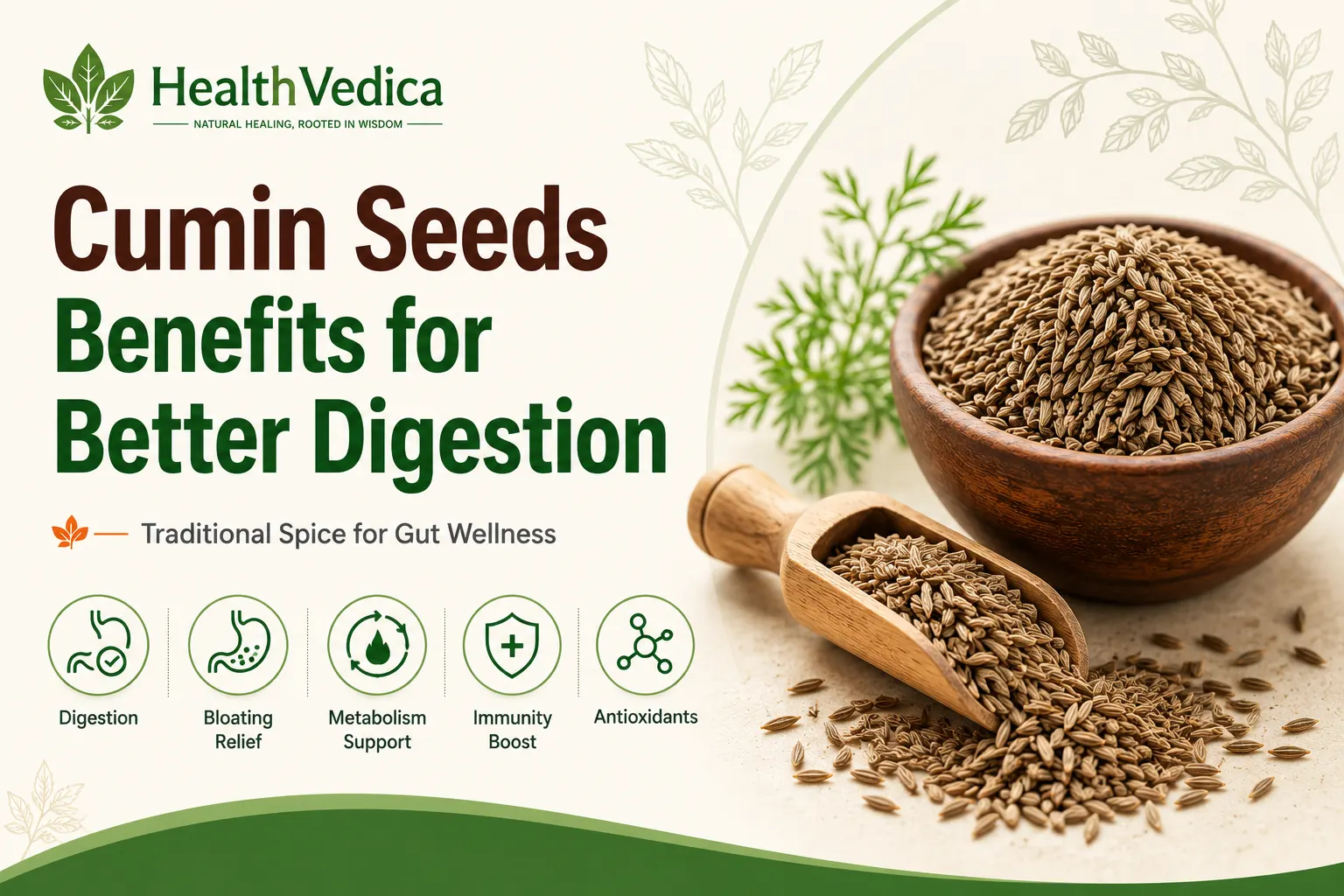
Cumin seeds, universally known as Jeera in India, are one of the most essential and widely used spices in Indian cooking and Ayurvedic medicine. Belonging to the family Apiaceae and scientifically named Cuminum cyminum, cumin has been cultivated since ancient times across India, Middle East, and the Mediterranean. Its earthy, warm, and slightly nutty flavor is foundational to countless Indian dishes. Beyond the kitchen, jeera is a powerful digestive, iron-rich, and metabolism-boosting spice that has earned a permanent place in natural healing traditions.
📊 Nutritional Value Per 100g
| Nutrient | Amount | % Daily Value |
|---|---|---|
| Calories | 375 kcal | 19% |
| Carbohydrates | 44.2 g | 15% |
| Dietary Fiber | 10.5 g | 42% |
| Protein | 17.8 g | 36% |
| Fat | 22.3 g | 34% |
| Iron | 66.4 mg | 369% |
| Calcium | 931 mg | 93% |
| Magnesium | 366 mg | 91% |
| Phosphorus | 499 mg | 50% |
| Potassium | 1788 mg | 51% |
| Zinc | 4.8 mg | 32% |
| Manganese | 3.3 mg | 165% |
| Vitamin A | 1270 IU | 25% |
| Vitamin C | 7.7 mg | 13% |
| Vitamin E | 3.3 mg | 16% |
| Thiamine (B1) | 0.63 mg | 42% |
| Riboflavin (B2) | 0.32 mg | 19% |
| Niacin (B3) | 4.6 mg | 23% |
⚗️ Key Bioactive Compounds
Cumin's therapeutic power comes from Cuminaldehyde — the primary volatile oil responsible for its distinctive aroma and antimicrobial activity. Thymol and gamma-terpinene contribute to its antibacterial and anti-inflammatory effects. Luteolin and apigenin are flavonoids with antioxidant and anti-cancer properties. Cuminic acid aids in digestion and liver function. The combination of these compounds makes cumin one of the most pharmacologically rich spices available.
🕉️ Ayurvedic Properties & Dosha Effect
In Ayurveda, Jeera is classified as Deepana (digestive fire stimulant) and Pachana (digestive). It is Ushna (warm) in potency and pungent and bitter in taste. Jeera primarily balances Vata and Kapha doshas. It kindles Agni (digestive fire) without disturbing Pitta in normal amounts, making it suitable for most body types. Classical texts describe it as Garbhashaya Vishodhana (uterine cleanser) and Shoolahara (pain reliever).
💚 Health & Healing Benefits
Digestive Health: Jeera is perhaps the most well-known digestive remedy in India. It stimulates the secretion of pancreatic enzymes, accelerates digestion, and relieves bloating, gas, and indigestion. Cumin water (jeera pani) is the go-to remedy for stomach upset across Indian households.
Iron & Anemia Prevention: Cumin is exceptionally rich in iron — just one teaspoon provides nearly 20% of daily iron needs. Combined with its Vitamin C content that aids iron absorption, jeera is a potent natural remedy for iron deficiency anemia, especially important for women and children.
Weight Loss & Metabolism: Multiple studies show cumin extract reduces body fat percentage and waist circumference. Jeera water speeds up metabolism, reduces fat oxidation markers, and helps in sustained weight management.
Blood Sugar Control: Cumin improves insulin sensitivity and lowers blood sugar levels. Research shows cumin supplementation significantly reduces HbA1c (long-term blood sugar marker) in diabetic patients.
Cholesterol Management: Cumin reduces total cholesterol, LDL cholesterol, and triglycerides while increasing HDL cholesterol, supporting overall cardiovascular health.
Anti-Cancer Properties: Cumin's compounds have demonstrated activity against colon, cervical, and breast cancer cells in laboratory studies by inducing apoptosis and inhibiting tumor proliferation.
Immune System Support: Rich in antioxidants including Vitamin C, Vitamin E, and flavonoids, cumin strengthens immune defenses and fights oxidative stress.
Bone Health: Cumin's impressive calcium, phosphorus, and magnesium content supports bone density and may help prevent osteoporosis.
Memory & Brain Function: Cumin extract has shown neuroprotective effects and improved memory recall in animal studies, suggesting potential in age-related cognitive decline prevention.
Skin & Hair Health: The Vitamin E and antioxidants in cumin protect skin from UV damage and premature aging. Cumin oil applied topically reduces scalp infections and promotes hair growth.
💧 Jeera Water — India's Ultimate Detox Drink
Jeera water (cumin water) is one of the most popular and effective home remedies in India. Preparation: Soak 1 teaspoon of cumin seeds in 1 glass of water overnight. In the morning, bring to a boil, strain, and drink warm on an empty stomach. For enhanced benefits, add half a lemon or a pinch of Himalayan salt. Regular consumption improves digestion, boosts metabolism, reduces bloating, purifies blood, and aids weight loss.
🏠 Ayurvedic & Home Remedies Using Cumin
| Remedy | Preparation | Benefit |
|---|---|---|
| Jeera Water (Morning Detox) | Soak 1 tsp jeera overnight in water, boil and drink warm | Digestion, weight loss, bloating relief |
| Jeera Milk | Roast jeera lightly, grind, add to warm milk with jaggery | Insomnia, anemia, digestive cramps |
| Jeera Buttermilk (Chaas) | Add roasted jeera powder + salt + mint to buttermilk | Summer cooling, acidity, gut health |
| Jeera Ajwain Kadha | Boil jeera + ajwain + fennel in water, strain and drink | Severe gas, IBS, stomach pain |
| Jeera Paste for Headache | Grind jeera + water into a paste, apply on forehead | Headache and migraine relief |
🍛 Indian Culinary Uses
Jeera is almost always the first spice to go into hot oil in Indian cooking — the process called tadka or tempering. It is foundational to dal tadka, jeera rice, sabzis, chutneys, and raitas. Roasted cumin powder (bhuna jeera) is sprinkled on chaat, salads, lassi, and buttermilk. It is a key component of chaat masala, garam masala, and panch phoron (Bengali five-spice blend). Cumin seeds are also used in spiced snacks like khakhra, mathri, and namkeen.
💡 Tips for Best Use
Roasting enhances flavor: Dry roasting cumin seeds in a pan for 1–2 minutes before grinding releases volatile oils and intensifies their flavor and medicinal potency. Storage: Store whole cumin seeds in an airtight jar away from moisture and heat — they last up to 3–4 years. Ground cumin loses potency faster and should be used within 6–12 months. Combination: Pairing jeera with coriander and fennel (the classic digestive trio) provides synergistic digestive benefits.
⚠️ Precautions & Side Effects
Cumin is safe for most people in culinary amounts. Excessive consumption (above 3 tablespoons daily) may lower blood sugar too much in diabetics on medication. It may also slow blood clotting — caution before surgery. Some individuals may experience heartburn with very large amounts. Pregnant women should stick to culinary amounts and avoid medicinal-dose cumin supplements.