🌿 Introduction
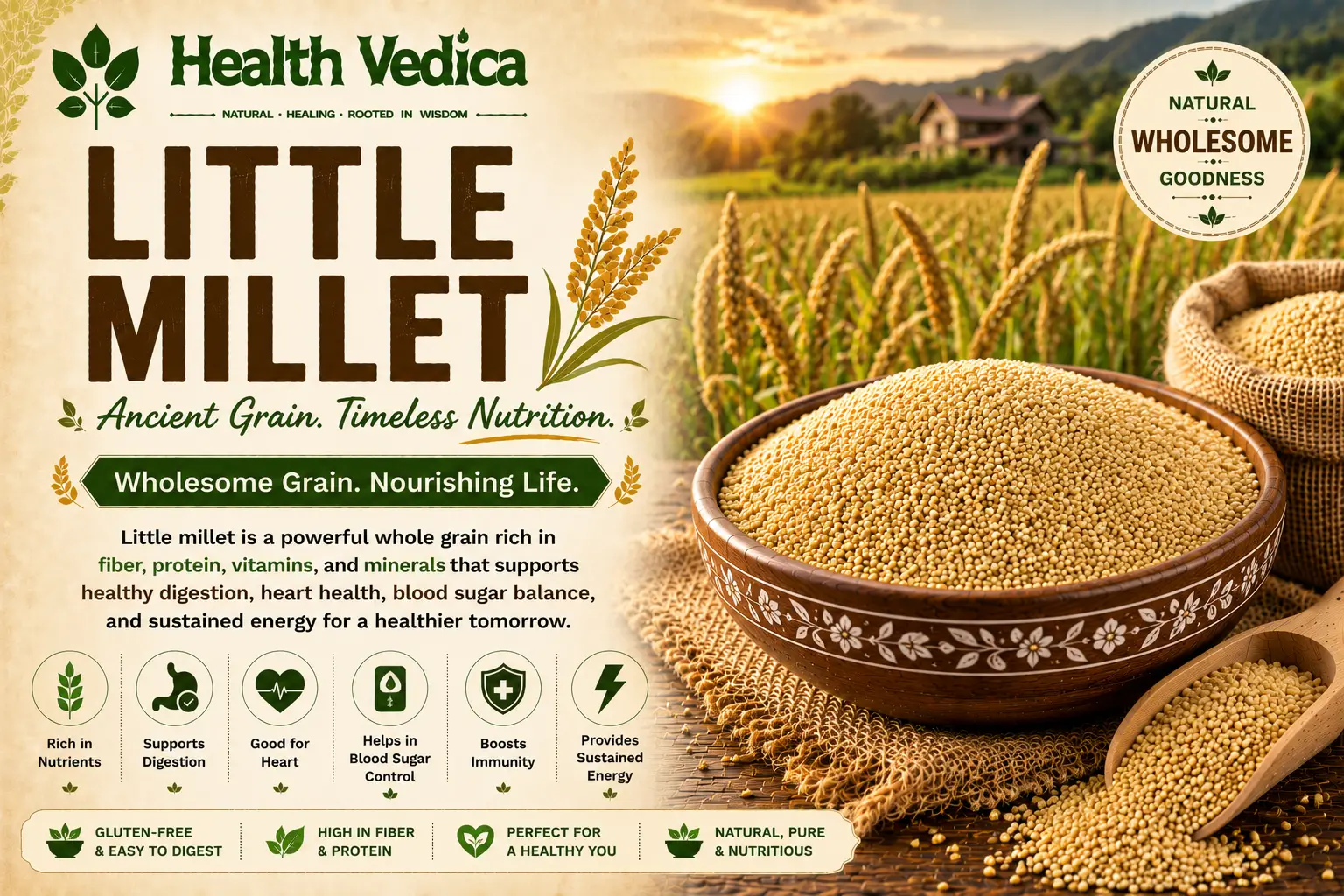
Little millet, the smallest of all millet varieties, is known by many regional names across India — Samai in Tamil, Kutki in Hindi, Same in Kannada, and Samalu in Telugu. Despite its tiny size, little millet is packed with significant nutritional value, particularly fiber, iron, and B vitamins. It is cultivated primarily in tribal and rural areas of Madhya Pradesh, Chhattisgarh, Maharashtra, and South India. Little millet is gaining renewed attention as a functional food for detoxification, gut health, and managing lifestyle diseases.
🔬 Nutritional Value Per 100g (Raw Little Millet)
| Nutrient | Amount | % Daily Value |
|---|---|---|
| Calories | 341 kcal | 17% |
| Carbohydrates | 65.5 g | 24% |
| Protein | 7.7 g | 15% |
| Fat | 4.7 g | 6% |
| Fiber | 7.6 g | 27% |
| Iron | 9.3 mg | 52% |
| Calcium | 17 mg | 2% |
| Phosphorus | 220 mg | 22% |
| Niacin (B3) | 3.2 mg | 20% |
| Thiamine (B1) | 0.30 mg | 25% |
📊 Glycemic Index
Little millet has a low glycemic index of approximately 52–57. Its fiber and resistant starch composition ensures slow glucose release, helping maintain stable blood sugar levels throughout the day. It is highly suitable for diabetics and those on weight management programs.
🌿 Ayurvedic Properties & Dosha Effect
In Ayurveda, little millet is considered light, dry, and detoxifying. It pacifies Kapha and Pitta doshas and is one of the grains recommended during fasting days (Navratri and Ekadashi fasting in some communities). It promotes lightness, cleanses the digestive tract, and is considered a laghu (light) grain. Traditional healers prescribe it for liver detoxification and digestive complaints.
✅ Health & Healing Benefits
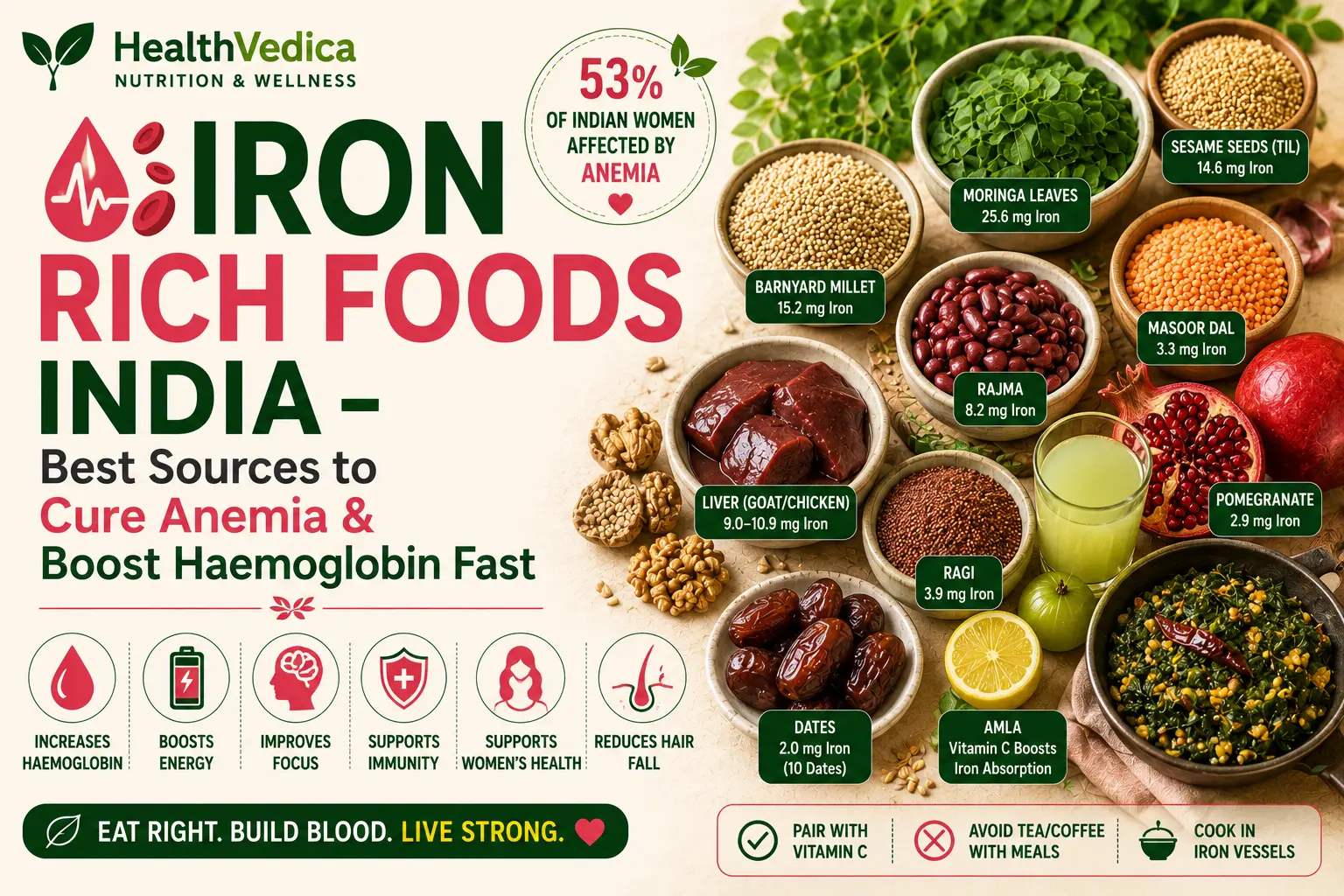
Little millet has one of the highest iron contents among all millet varieties at 9.3mg per 100g, making it a powerful food for combating iron-deficiency anemia. This is particularly important for women of reproductive age, pregnant women, and children. Its high fiber promotes healthy bowel movements, reduces constipation, and feeds prebiotic bacteria in the colon. The detoxifying properties support liver health and help the body eliminate metabolic waste products. Regular consumption supports heart health by reducing triglycerides and LDL cholesterol.
🍲 Indian Dietary Uses
Little millet is used in Samai rice (rice substitute), samai idli, samai dosa, samai pongal, samai khichdi, and millet porridge. In South India, it is widely used during festival fasting days as it is considered vrat (fasting) food in some traditions. In tribal communities, it is used for traditional fermented porridges.
💡 Little Millet Detox Porridge
Cook little millet in water with a pinch of turmeric and rock salt. Consume warm in the morning on an empty stomach for liver cleansing and digestive detox. Add a teaspoon of ghee and cumin for enhanced digestibility and Ayurvedic benefits. This is a traditional morning cleansing practice in several South Indian communities.
💡 Smart Tips
Soak little millet for 4–6 hours to reduce phytic acid and improve iron and mineral absorption. Its naturally small grain size cooks relatively quickly compared to other millets. Use as a 1:1 substitute for rice in all recipes. Store in an airtight container away from moisture.