🌲 Introduction
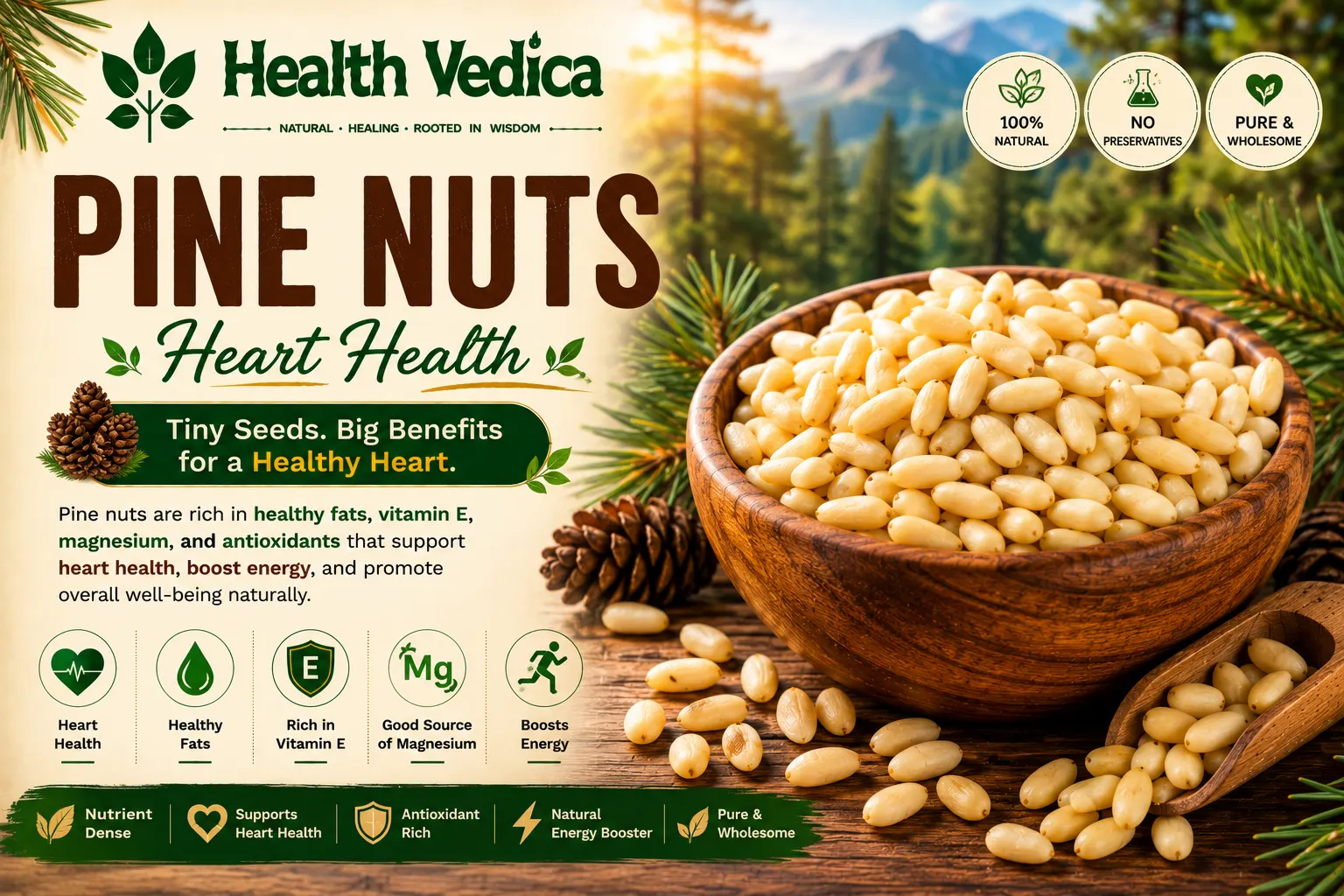
Pine Nuts, also known as Chilgoza in parts of India and the Himalayas, are the edible seeds of pine trees belonging to the Pinus species. These buttery, ivory-colored seeds have been enjoyed for thousands of years in Mediterranean, Middle Eastern, Himalayan, and Asian cuisines. Although tiny in size, pine nuts are nutritional powerhouses packed with heart-healthy fats, plant protein, vitamin E, magnesium, zinc, iron, and manganese. They are especially valued for supporting brain health, cardiovascular wellness, healthy skin, and sustained energy. Their naturally rich taste makes them a premium ingredient in pesto, salads, desserts, trail mixes, and traditional Ayurvedic nourishing recipes.
📊 Nutritional Value Per 100g of Pine Nuts
| Nutrient | Amount | % Daily Value (DV) |
|---|---|---|
| Calories | 673 kcal | 34% |
| Protein | 13.7 g | 27% |
| Total Fat | 68.4 g | 88% |
| Monounsaturated Fat | 18.8 g | — |
| Polyunsaturated Fat | 34.1 g | — |
| Carbohydrates | 13.1 g | 5% |
| Dietary Fiber | 3.7 g | 13% |
| Vitamin E | 9.3 mg | 62% |
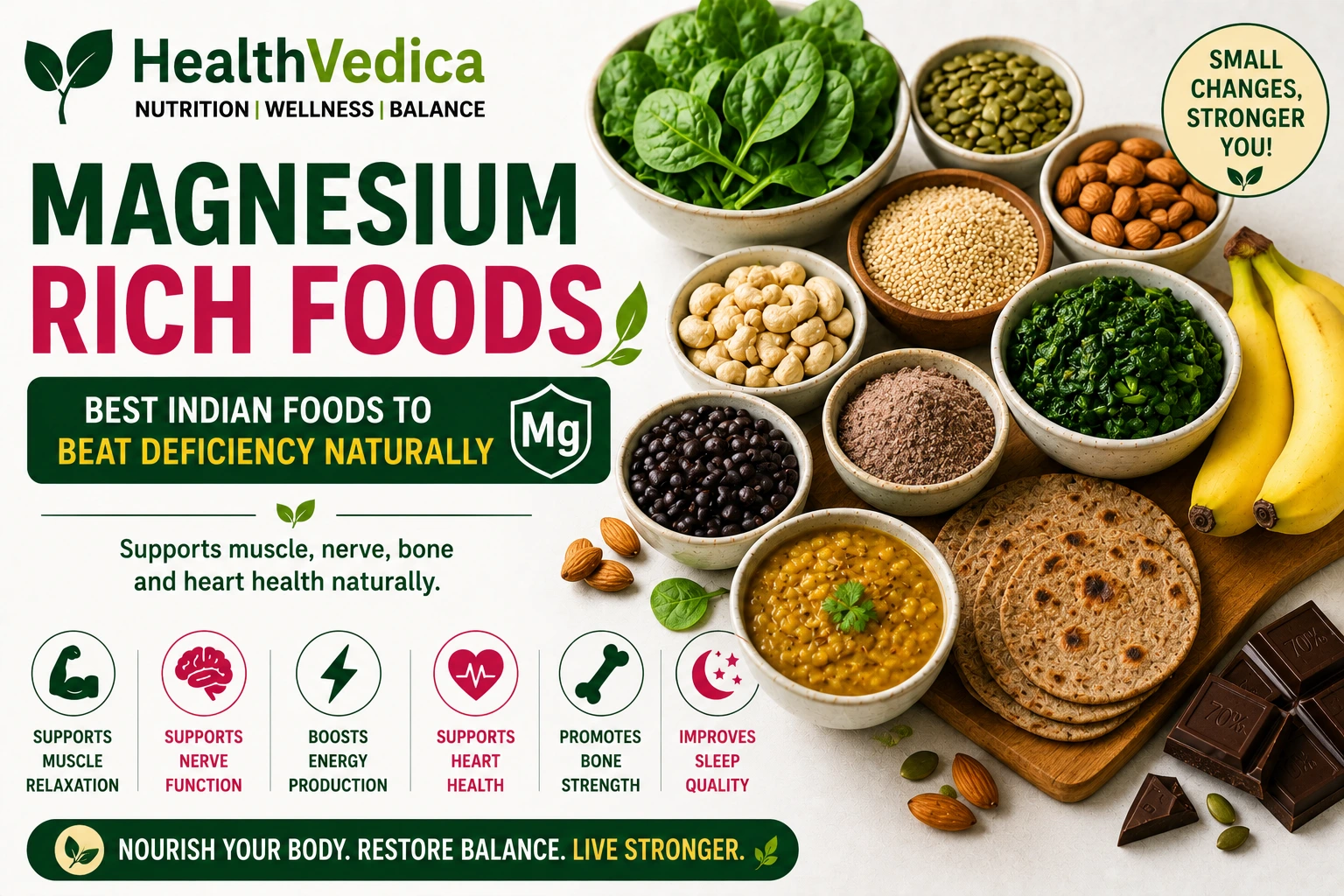
| Magnesium | 251 mg | 60% |
| Manganese | 8.8 mg | 383% |
| Zinc | 6.5 mg | 59% |
| Iron | 5.5 mg | 31% |
| Phosphorus | 575 mg | 82% |
| Potassium | 597 mg | 13% |
| Copper | 1.3 mg | 144% |
📉 Glycemic Index
Pine nuts have a glycemic index of approximately 15, making them an excellent low-carbohydrate food. Their healthy fats and protein slow digestion, helping maintain stable blood sugar levels and prolonged satiety.
🕉️ Ayurvedic Properties & Dosha Effect
Although Pine Nuts are not specifically mentioned in classical Ayurvedic scriptures, Ayurvedic nutrition considers them Madhura (sweet), Snigdha (unctuous) and Brimhana (body nourishing). They possess a mildly warming nature (Ushna Veerya) and help pacify Vata Dosha by lubricating tissues and improving strength. Moderate quantities are generally suitable for Pitta, while excessive intake may increase Kapha due to their richness. Traditionally, pine nuts are consumed during winter to promote vitality, reproductive health, and tissue nourishment (Dhatu Poshana).
💚 Health & Healing Benefits
Brain Health: Pine nuts are rich in healthy unsaturated fats, magnesium, vitamin E, and antioxidants that nourish brain cells, improve nerve communication, and help maintain cognitive function as we age.
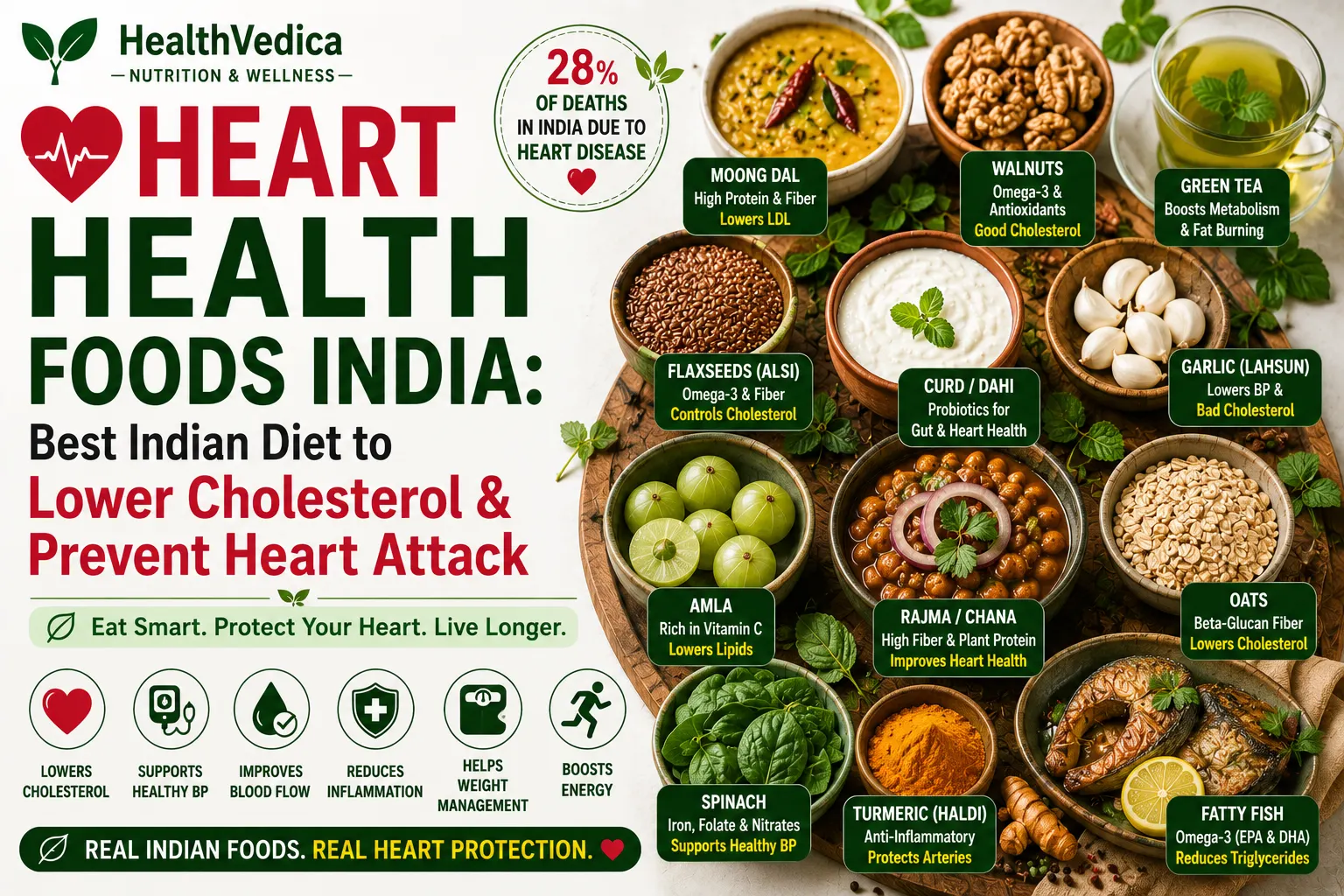
Heart Protection: The combination of monounsaturated fats, pinolenic acid, magnesium, and antioxidants supports healthy cholesterol levels, reduces inflammation, improves blood vessel flexibility, and lowers cardiovascular risk.
Natural Appetite Control: Pine nuts contain pinolenic acid, a rare fatty acid shown to stimulate satiety hormones such as CCK and GLP-1, helping reduce hunger naturally and supporting healthy weight management.
Energy Production: Their rich supply of magnesium, phosphorus, iron, and healthy fats provides long-lasting energy, making them ideal for athletes, students, and physically active individuals.
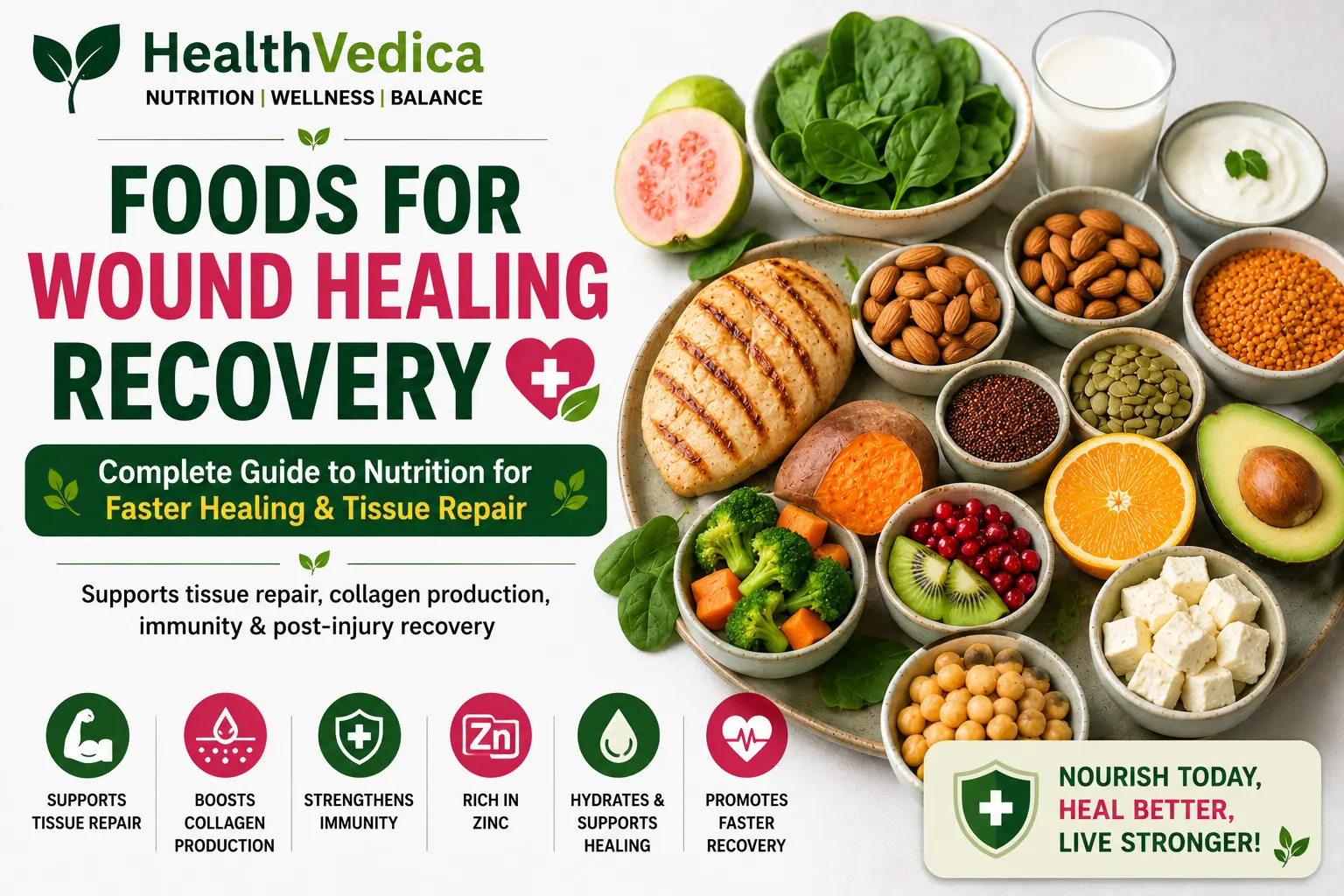
Immune Support: Zinc, copper, manganese, and vitamin E strengthen immune function, improve wound healing, and enhance antioxidant defence.
Healthy Skin & Hair: Vitamin E protects skin cells from oxidative stress, supports collagen production, improves skin hydration, and promotes healthier hair growth.
Bone Strength: Magnesium, phosphorus, and manganese contribute to strong bones, connective tissues, and proper muscle function.
🌿 Traditional Home Remedies
Brain Tonic Milk: Blend 10 soaked pine nuts with warm milk, saffron, cardamom and a small date for a nourishing drink that supports memory, strength and winter wellness.
Immunity Trail Mix: Combine pine nuts with almonds, walnuts, pumpkin seeds and raisins for a mineral-rich snack that boosts immunity and energy.
Healthy Pesto: Blend pine nuts with fresh basil, garlic, olive oil and parmesan cheese (or nutritional yeast for a vegetarian option) to prepare antioxidant-rich pesto for pasta, sandwiches and salads.
🥗 Best Ways to Eat Pine Nuts
Enjoy pine nuts raw or lightly toasted to enhance their nutty flavour. Add them to salads, pesto, soups, hummus, oatmeal, yogurt, desserts, granola, stir-fries or homemade energy bars. Avoid overheating them during cooking to preserve their delicate healthy fats.
📅 Daily Recommended Intake
20–30 grams (about 2 tablespoons or a small handful) daily is considered an ideal serving for most healthy adults. This amount provides beneficial fats, protein, vitamins and minerals without excessive calorie intake.
⚠️ Precautions
Individuals with tree nut allergies should avoid pine nuts. Since they are calorie-dense, portion control is important for weight management. A small percentage of people may experience Pine Mouth Syndrome, a temporary bitter or metallic taste appearing one to three days after eating certain pine nut species. Although harmless, it usually resolves on its own within one to two weeks.
🔬 Scientific Highlights
Research suggests that pinolenic acid found in pine nuts stimulates satiety hormones that naturally reduce appetite. Clinical studies also associate regular consumption of nuts rich in unsaturated fats with improved cardiovascular health, reduced inflammation, better insulin sensitivity, and enhanced cognitive function.
🌍 Fun Facts
- Pine nuts are actually edible seeds rather than true botanical nuts.
- Some pine tree species require nearly three years to produce mature seeds.
- Harvesting pine nuts is labour-intensive, making them one of the world's most expensive edible seeds.
- Indian Chilgoza pine nuts from the Western Himalayas are highly prized for their rich flavour and nutritional value.