🌿 Introduction
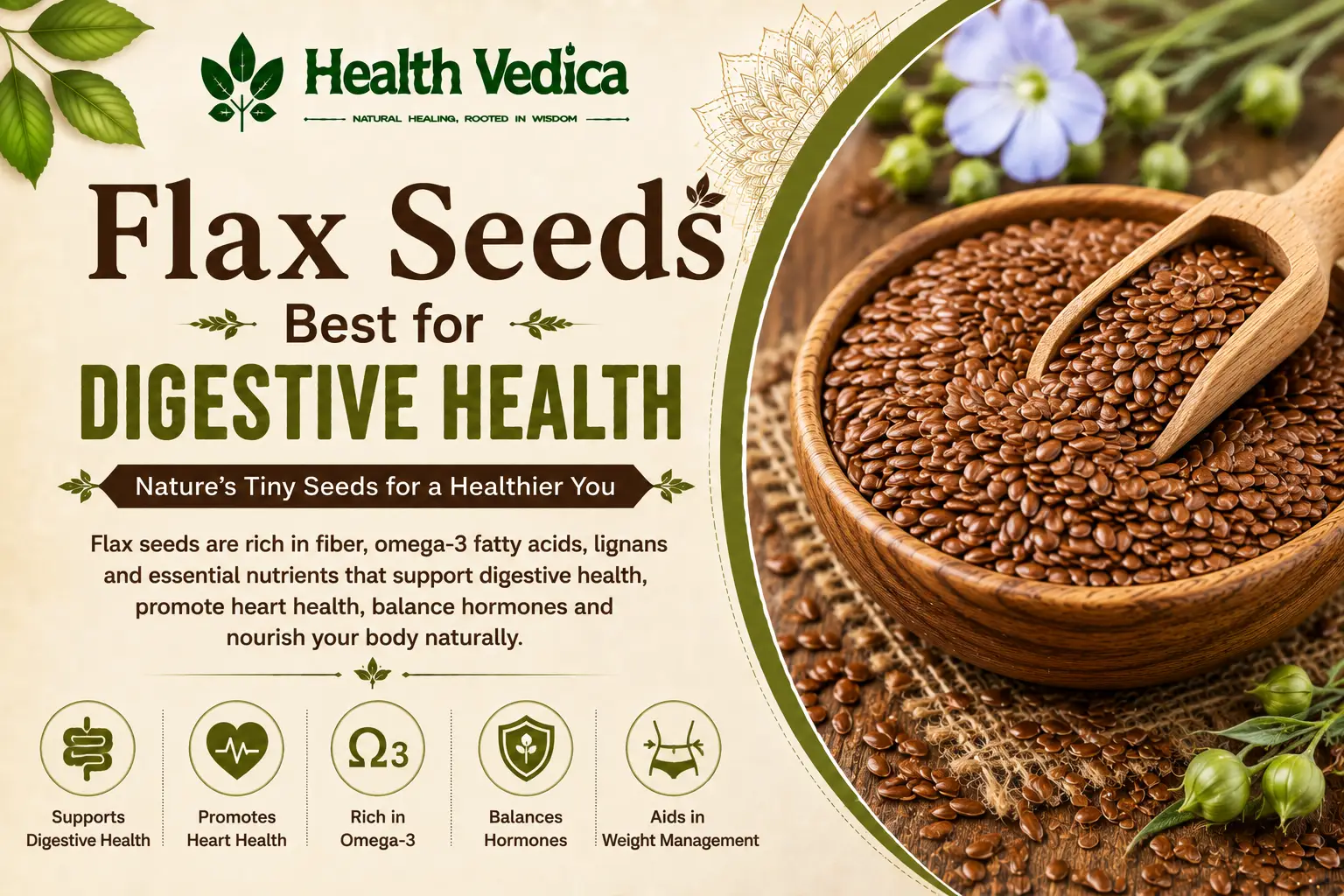
Flax seeds, called Alsi in Hindi, are among the oldest cultivated crops in the world — and for centuries, they have been prized in Indian medicine and cooking. Tiny, brown or golden seeds with a nutty flavour, flax seeds are a nutritional powerhouse particularly celebrated for their omega-3 fatty acid content, soluble fiber (lignans), and phytoestrogen properties. Modern science has confirmed what traditional healers knew: regular flaxseed consumption profoundly benefits heart health, hormonal balance, digestion, and cancer prevention. They are truly a superfood in the most literal sense.
📊 Nutritional Value Per 100g of Flax Seeds
| Nutrient | Amount | % Daily Value (DV) |
|---|---|---|
| Calories | 534 kcal | 27% |
| Protein | 18.3 g | 37% |
| Total Fat | 42.2 g | 54% |
| Omega-3 (ALA) | 22.8 g | — |
| Omega-6 | 5.9 g | — |
| Carbohydrates | 28.9 g | 11% |
| Dietary Fiber | 27.3 g | 97% |
| Lignans | 0.3 g | — |
| Thiamine (B1) | 1.64 mg | 137% |
| Magnesium | 392 mg | 93% |
| Phosphorus | 642 mg | 92% |
| Selenium | 25.4 mcg | 46% |
| Manganese | 2.48 mg | 108% |
| Copper | 1.22 mg | 136% |
📉 Glycemic Index
Flax seeds have an extremely low glycemic index of 35 (whole) or 10–15 (ground). Their extraordinary fiber content (97% DV) makes them one of the most effective foods for slowing blood sugar absorption and improving glycemic control in Type 2 diabetes.
🕉️ Ayurvedic Properties & Dosha Effect
Flax seeds are called Uma or Atasi in Sanskrit Ayurvedic texts. They are Ushna (hot potency), Snigdha (oily), and Guru (heavy). They are primarily Vata-pacifying and are used in Ayurvedic medicine for treating constipation, skin disorders, and respiratory conditions. Flaxseed oil (Alsi ka Tel) is used externally for wound healing and skin inflammations. In Ayurveda, they are also considered beneficial for Shukra Dhatu (reproductive tissue).
💚 Health & Healing Benefits
Highest Plant-Based Omega-3 Source: Flax seeds contain 22.8g of alpha-linolenic acid (ALA omega-3) per 100g — the richest plant source available. ALA is anti-inflammatory, cardioprotective, and essential for brain health, making ground flaxseed a critical food for vegetarians and vegans who cannot consume fish.
Hormonal Balance in Women: Flax seeds contain 800 times more lignans than any other plant food. Lignans are phytoestrogens that help regulate estrogen levels — reducing menopausal symptoms like hot flashes, balancing menstrual cycles, improving bone density in postmenopausal women, and potentially reducing breast cancer risk.
Digestive Health & Constipation Relief: With 27.3g of fiber per 100g (97% DV), flax seeds provide extraordinary digestive support. Their mucilaginous (gel-forming) soluble fiber soothes the gut lining, promotes regular bowel movements, and feeds beneficial gut bacteria.
Heart Protection: The omega-3s, fiber, and lignans in flax seeds collectively lower LDL cholesterol, reduce blood pressure, decrease arterial inflammation, and improve overall cardiovascular health.
Cancer Prevention: Lignans in flaxseeds have shown anti-cancer properties, particularly for hormone-sensitive cancers like breast and prostate cancer. They inhibit tumor growth and reduce cancer cell proliferation in laboratory and clinical studies.
Blood Sugar Control: The viscous fiber in ground flaxseed forms a gel in the intestine that slows glucose absorption, making flaxseed one of the most effective dietary tools for managing Type 2 diabetes.
🕉️ Ayurvedic & Modern Recipes
Alsi Ladoo: Traditional Rajasthani winter sweet made with roasted flaxseeds, jaggery, and ghee — a warming, omega-3-rich energy booster. Flaxseed Chutney (Alsi Chutney): Ground roasted flaxseeds with garlic, red chili, and salt — a popular Maharashtra staple rich in omega-3s. Flaxseed Water Detox: Soak 1 tbsp ground flaxseed in a glass of warm water overnight; drink in the morning for constipation relief and detox. Flaxseed Roti: Add 2 tablespoons of ground flaxseed to wheat flour for omega-3-enriched chapatis.
⚖️ Ground vs Whole Flaxseed
Ground (milled) flaxseed is significantly more nutritious than whole flaxseeds because the human body cannot break down the hard outer shell of whole seeds, passing them through largely undigested. Always grind flaxseed fresh before use or purchase pre-ground flaxseed. Store ground flaxseed in the refrigerator in an airtight container to prevent oxidation.
📅 Daily Recommended Intake
1–2 tablespoons (7–14g) of ground flaxseed per day is the optimal amount. Start with 1 teaspoon and gradually increase to allow the gut to adjust to the high fiber content. Drink plenty of water.
⚠️ Precautions
Always consume ground flaxseed, not whole. Drink adequate water as flax seeds absorb large amounts of liquid. Pregnant women should consult a doctor before consuming high amounts due to phytoestrogenic effects. Those on blood thinners should be cautious as omega-3s may have mild anticoagulant effects. Flaxseed can cause bloating if introduced too rapidly.