pulses-legumes

Red Lentils (Masoor Dal) Nutrition, Protein, Iron & Heart Health Benefits

Last updated:
๐ŸŒฟ Protein & Iron
Red Lentils (Masoor Dal) โ€” Nutrition, Health Benefits & Remedies
Red Lentils (Masoor Dal) Nutrition, Protein, Iron & Heart Health Benefits
โš ๏ธ Medical Disclaimer: This content is for informational purposes only and does not constitute medical advice. Always consult a qualified healthcare professional for diagnosis and treatment.

๐ŸŒฟ Introduction

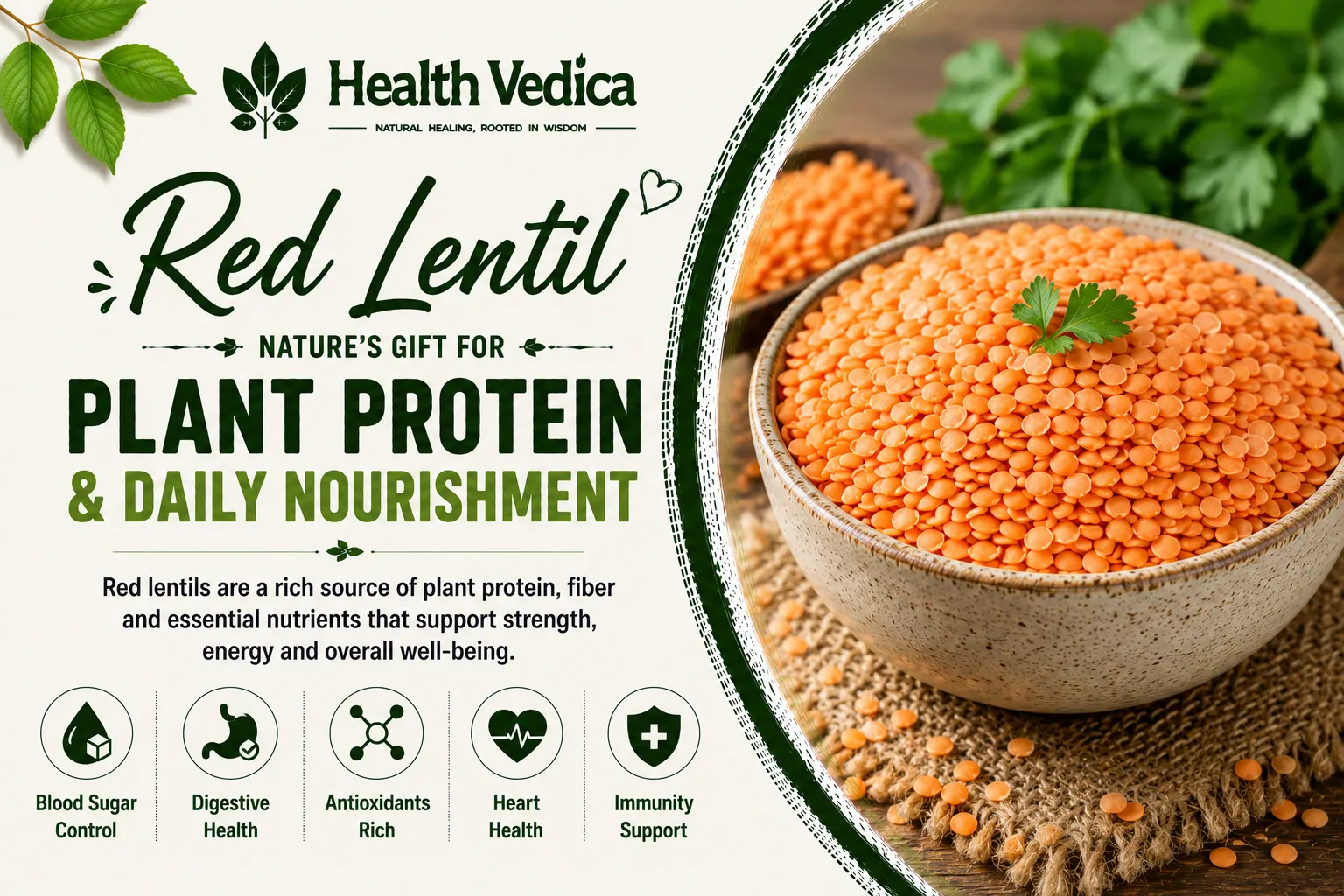
Red Lentils, known as Masoor Dal in India, are one of the most widely consumed lentils in Indian households. Easily digestible, quick-cooking (no soaking required), and extraordinarily nutrient-dense, masoor dal is a daily staple providing plant protein, iron, folate, and complex carbohydrates. Split red lentils are one of the oldest cultivated legumes in South Asia and have fed generations of Indians as an affordable, complete nutritional food.

๐Ÿ“Š Nutritional Value Per 100g (Cooked)

NutrientAmount% Daily Value
Calories116 kcal6%
Protein9 g18%
Carbohydrates20 g7%
Fat0.4 g1%
Fiber7.9 g28%
Folate181 mcg45%
Iron3.3 mg18%
Potassium369 mg11%
Magnesium36 mg9%
Phosphorus180 mg18%
Zinc1.3 mg12%
B Vitamins (B1, B5, B6)Significantโ€”

๐Ÿ“‰ Glycemic Index

Despite being a legume with significant carbohydrate content, masoor dal has a low glycemic index of around 21โ€“30 due to its extraordinary fiber content (7.9g per 100g cooked). It promotes slow, sustained glucose release and is highly recommended in diabetic meal plans across India.

๐Ÿ•‰๏ธ Ayurvedic Properties & Dosha Effect

In Ayurveda, Masoor Dal is classified as Laghu (light), Rooksha (dry), and Vishada (clarity-promoting). It primarily balances Pitta and Kapha doshas. It is one of the more easily digestible dals, making it a preferred choice for people recovering from illness, children, and the elderly. Adding ghee, cumin, and turmeric during cooking (tadka) significantly enhances its nutritional bioavailability and digestibility.

๐Ÿ’š Health & Healing Benefits

Red lentils are exceptional for cardiovascular health โ€” their high fiber lowers LDL cholesterol, their folate reduces homocysteine (a heart disease risk factor), and their potassium-to-sodium ratio supports healthy blood pressure. The protein content (9g per 100g cooked) makes masoor dal one of the most important protein sources for vegetarians and provides sustained satiety. Iron (3.3 mg per 100g) supports red blood cell production and is critical for preventing anemia. Consuming masoor dal with Vitamin C-rich foods (like tomatoes or lemon juice) dramatically enhances iron absorption. Folate (45% DV) is essential for DNA synthesis, cell division, and is particularly critical during pregnancy. The prebiotic fiber in masoor dal feeds beneficial gut bacteria, supporting microbiome diversity and reducing inflammation. Lentil polyphenols have demonstrated anti-cancer properties in studies focused on colon health.

๐Ÿ› Indian Dietary Uses

Masoor Dal is prepared as simple dal (tadka dal), dal soup, masoor dal khichdi, dal palak, and masoor sprouts salad. It cooks quickly without soaking and forms the base of many everyday Indian meals. It can also be sprouted for maximum nutritional benefit.
โ“ Frequently Asked Questions

Common questions about Red Lentils (Masoor Dal)

Yes, masoor dal contains 9g of protein per 100g cooked โ€” one of the highest protein contents among dals. It is one of the most important protein sources for Indian vegetarians.
Yes, masoor dal contains 3.3 mg of iron per 100g. Consuming it with Vitamin C-rich ingredients like tomatoes or lemon juice significantly enhances non-heme iron absorption and helps combat anemia.
Yes, masoor dal has a low GI of 21โ€“30 and is high in fiber and protein. It provides slow-release energy and is recommended in diabetic diet plans as a blood sugar-friendly protein source.
Masoor dal is one of the least gas-causing dals because it is hull-removed and splits easily. It is more digestible than whole dals like rajma or chana and does not require overnight soaking.
Related Blogs
Low Carb Diet India Diet Plans
Low Carb Diet India
๐Ÿฅ— What Is a Low Carb Diet?A low carbohydrate diet focuses on reducing foods that are rich in carboh...
Read More
Vitamin K Foods India Vitamins & Minerals
Vitamin K Foods India
๐Ÿฅฌ What Is Vitamin K?Vitamin K is a fat-soluble vitamin that plays a vital role in blood clotting, b...
Read More
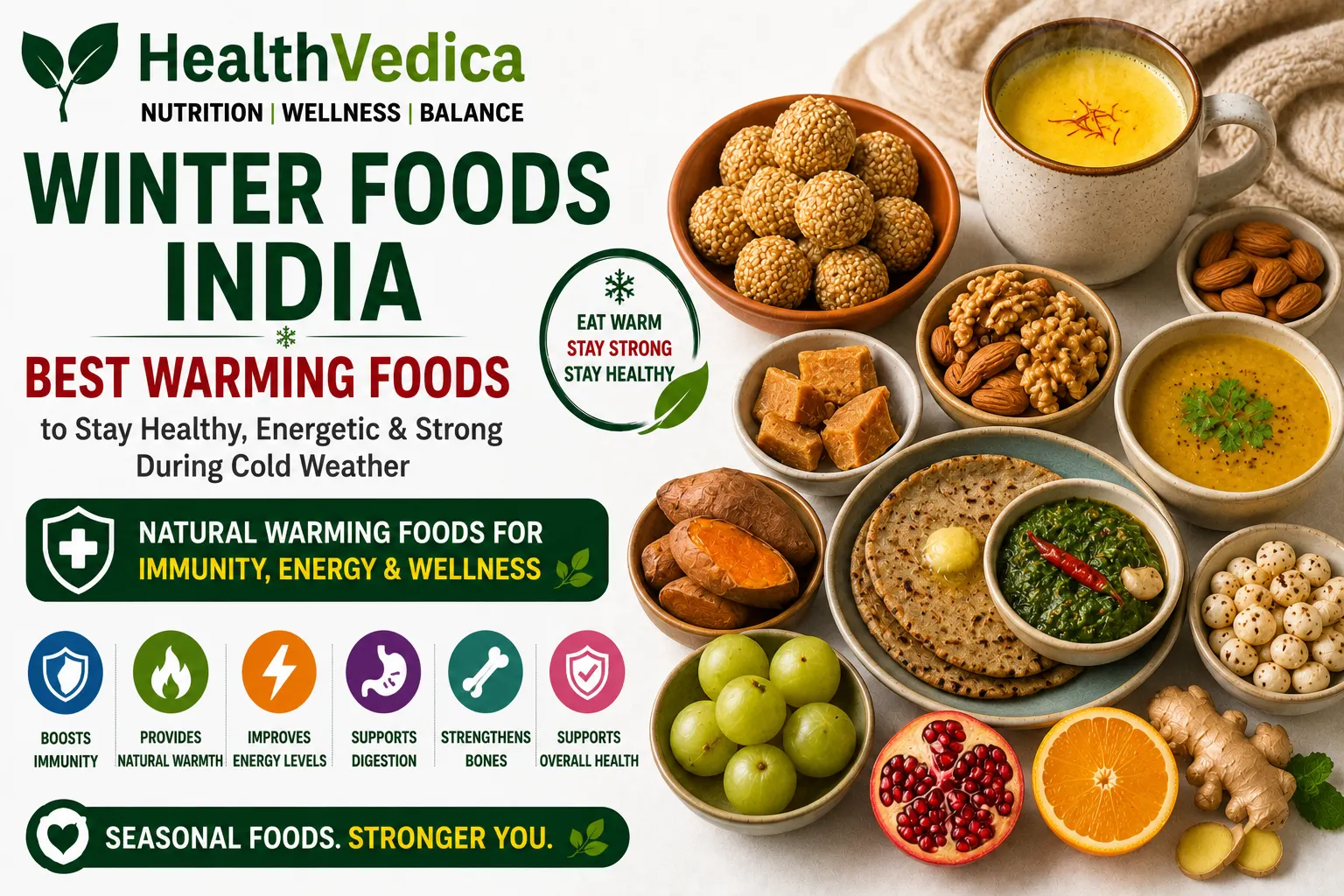
Best Winter Warming Foods Diet Plans
Best Winter Warming Foods
โ„๏ธ Why Winter Nutrition Matters More Than You ThinkWinter is one of the most pleasant seasons in Ind...
Read More
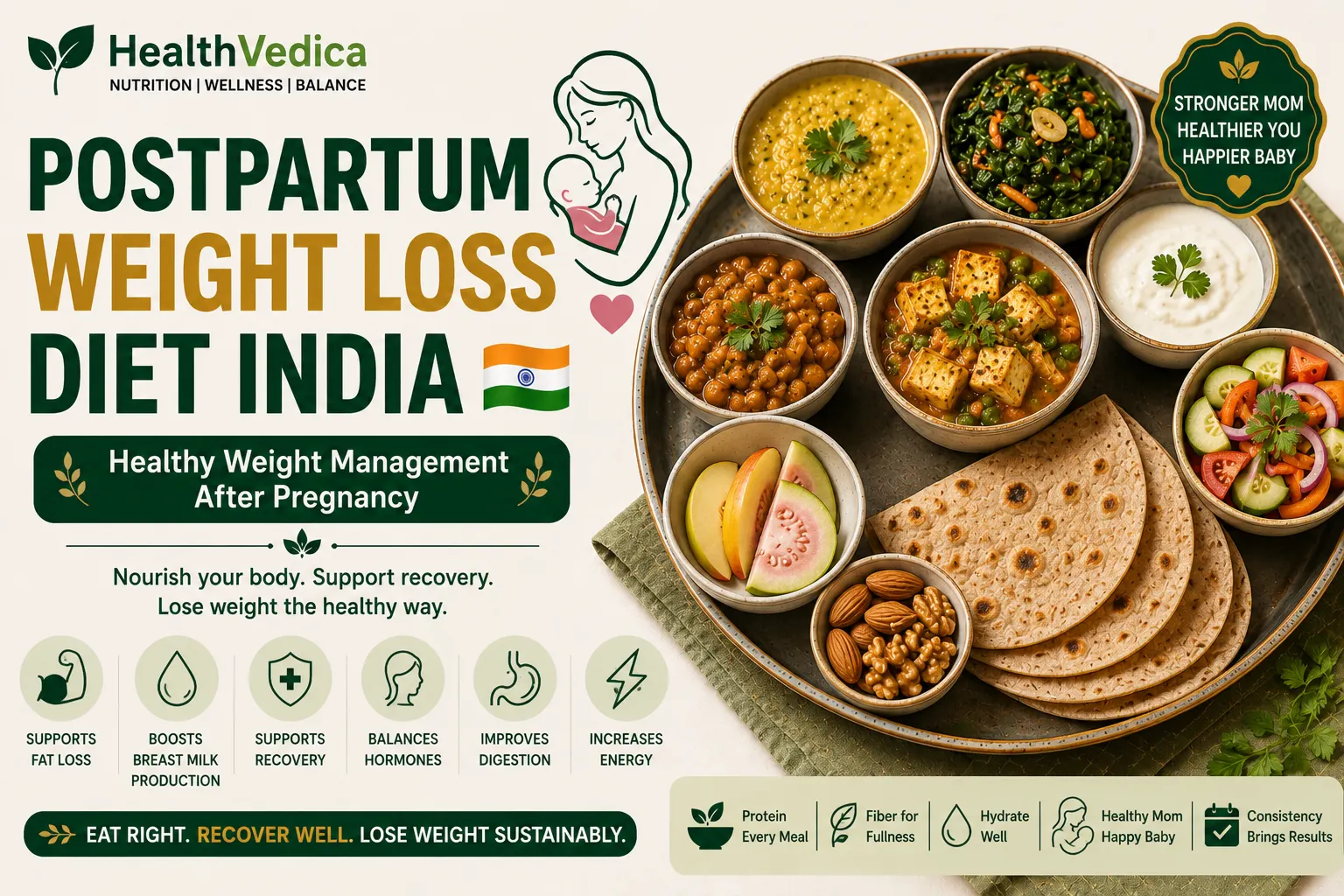
Postpartum Weight Loss Diet India Pregnancy & Family
Postpartum Weight Loss Diet India
๐Ÿคฑ Understanding Postpartum Weight LossWeight gain during pregnancy is normal and necessary for a he...
Read More
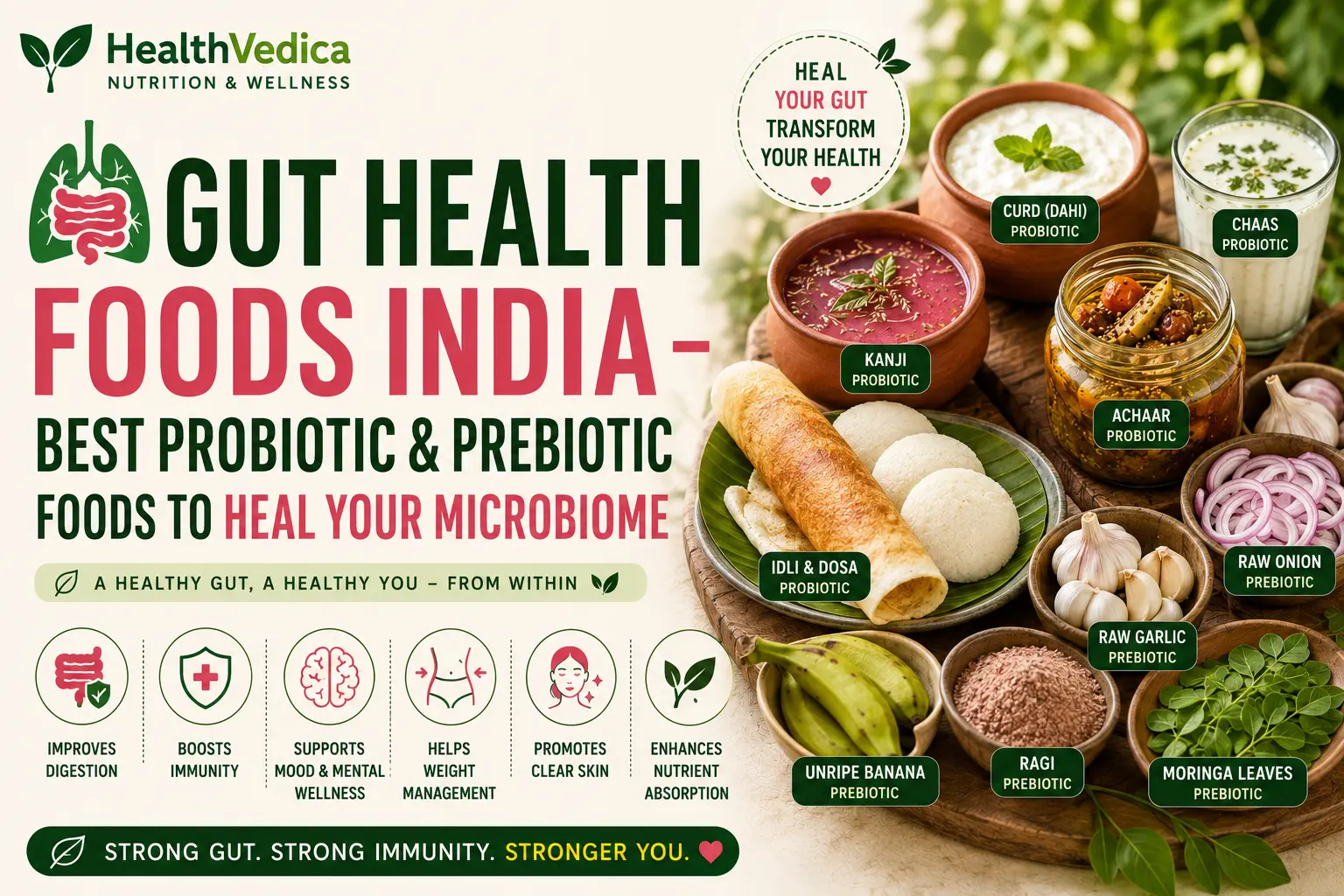
Best Foods for Gut Health Nutrition
Best Foods for Gut Health
๐Ÿซ IntroductionGut health is the #1 trending health topic globally in 2025 and 2026 โ€” and for very g...
Read More
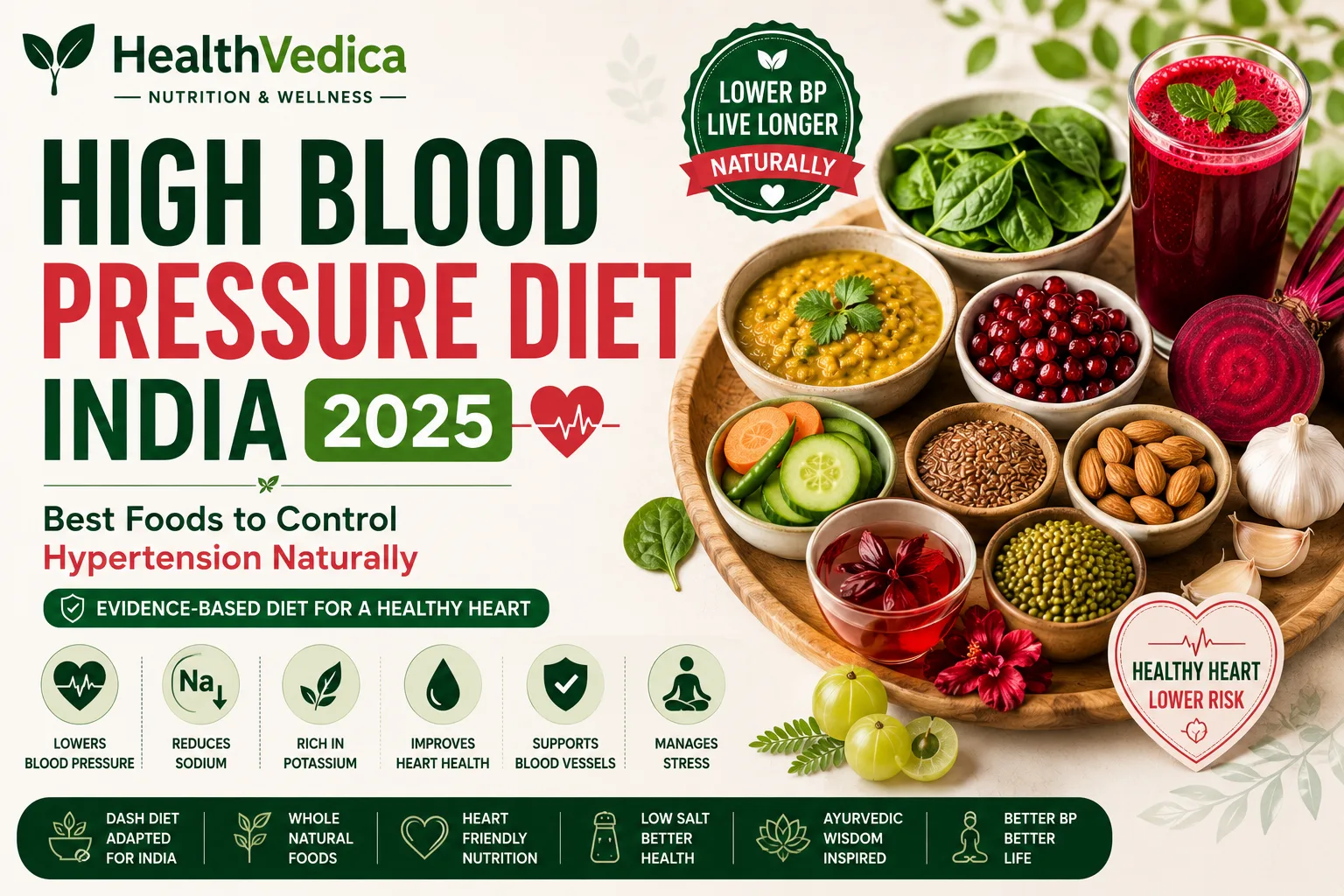
Best Diet for High Blood Pressure in India Health Conditions
Best Diet for High Blood Pressure in India
๐Ÿ’Š India's Hypertension EpidemicHypertension (high blood pressure) is India's most prevalent chronic...
Read More
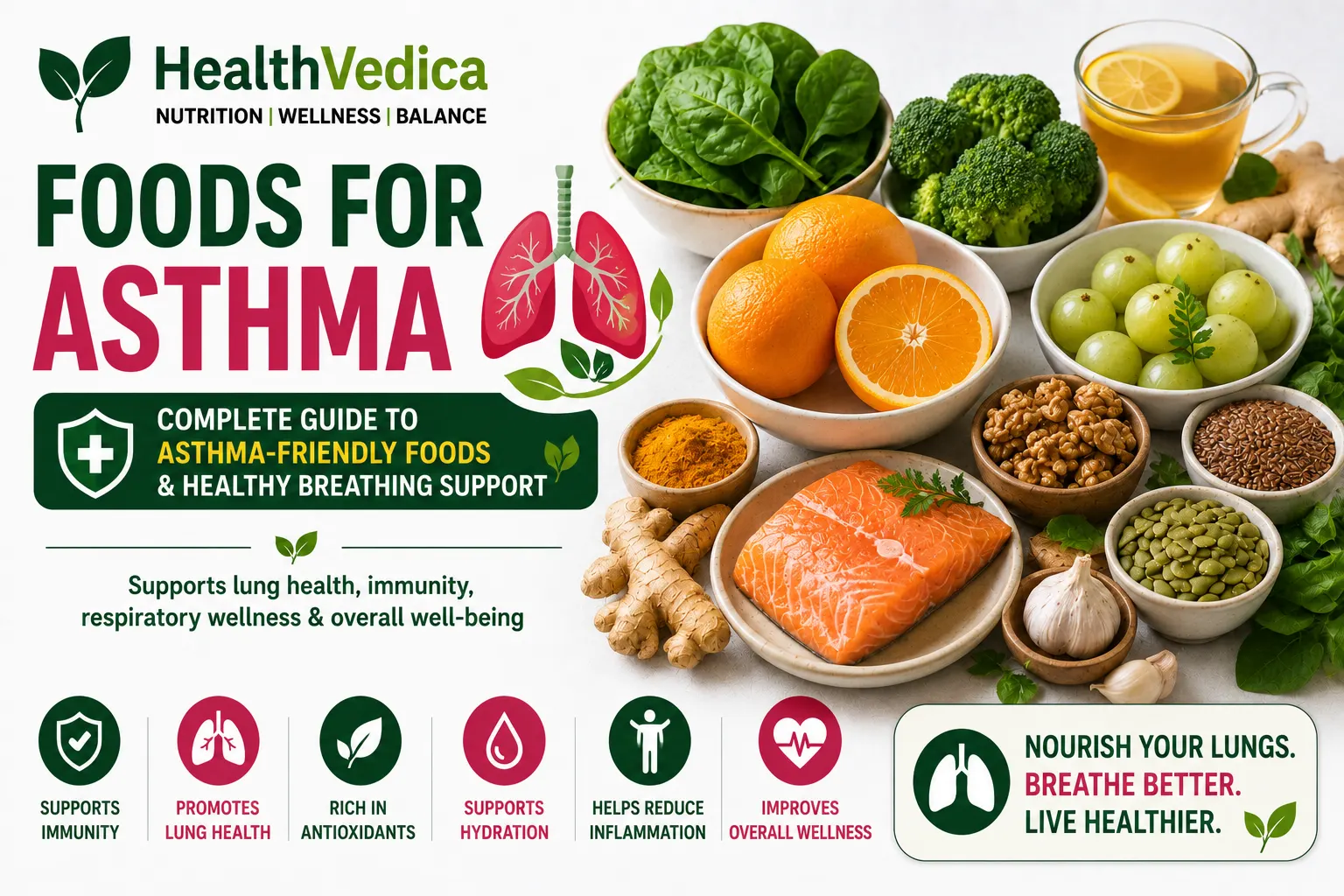
Foods for Asthma Health Conditions
Foods for Asthma
๐Ÿซ What Is Asthma?Asthma is a chronic respiratory condition that causes inflammation and narrowing o...
Read More
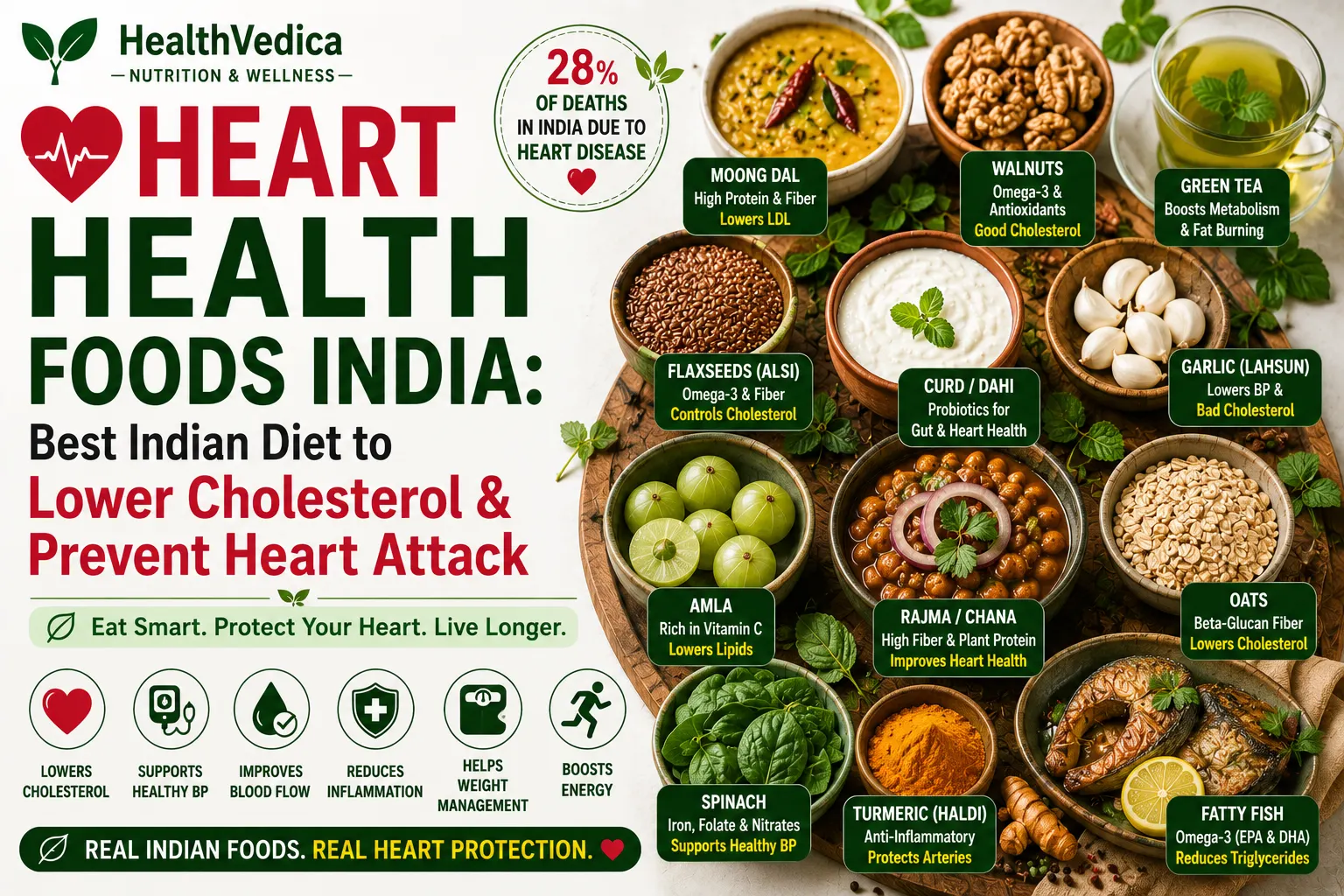
Heart-Healthy Foods in India Nutrition
Heart-Healthy Foods in India
โค๏ธ The Indian Heart CrisisIndians face a uniquely severe cardiovascular risk. Studies show Indians d...
Read More
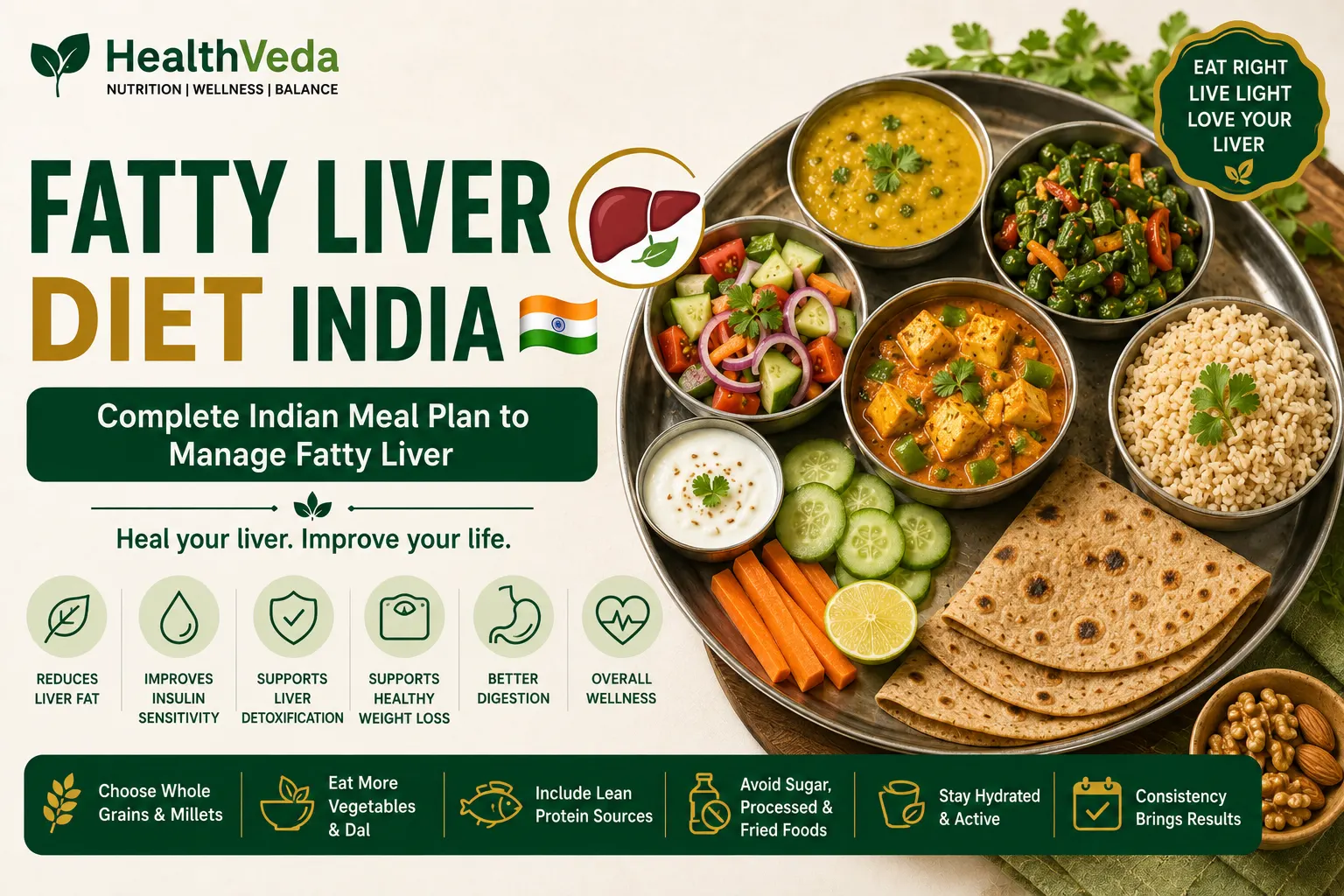
Fatty Liver Diet India Health Conditions
Fatty Liver Diet India
๐Ÿ‡ฎ๐Ÿ‡ณ Building a Fatty Liver Diet Around Indian StaplesManaging fatty liver in an Indian context does n...
Read More
HealthVedica Editorial Team

HealthVedica Editorial Team

Written by Raviteja

Our content is AI-assisted and editorially reviewed to ensure accuracy against Ayurvedic guidelines and Indian health research. Learn more โ†’