🌿 Introduction
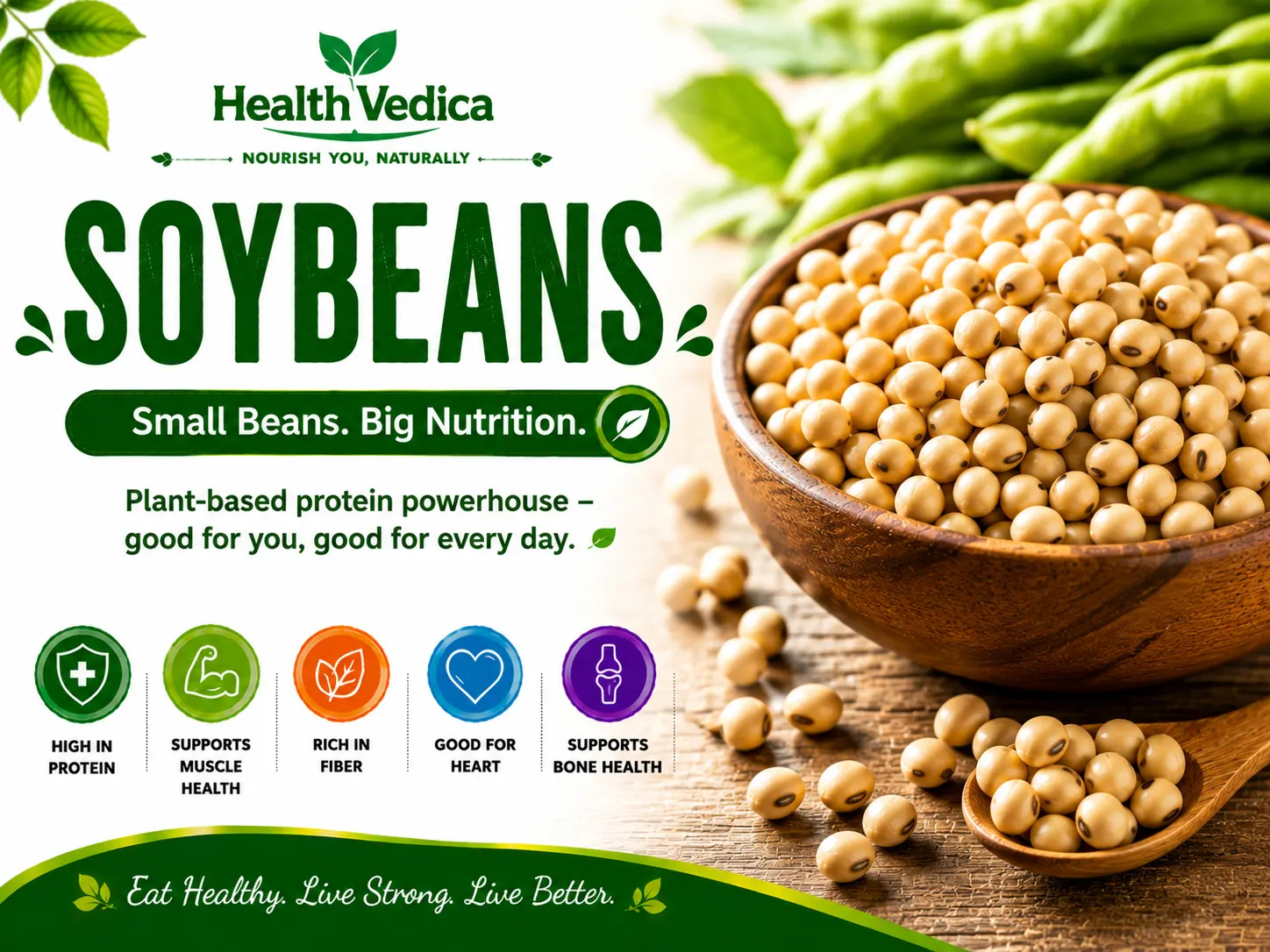
Soybeans (Glycine max) are one of the world's most important protein-rich legumes and are often called the king of plant proteins. Unlike many plant foods, soybeans contain all nine essential amino acids required by the human body, making them a complete protein source.
Originating in East Asia, soybeans have become globally popular due to their exceptional nutritional value. They are used to prepare foods like tofu, soy milk, tempeh, soy flour, soy chunks and edamame.
In India, soybeans have gained popularity among vegetarians, athletes and health-conscious individuals because they provide high-quality protein at an affordable cost.
Soybeans are rich in protein, healthy fats, fiber, iron, calcium, magnesium and unique plant compounds called isoflavones, which have been widely studied for their role in human health.
📊 Nutritional Value Per 100g of Dry Soybeans
| Nutrient | Amount | % Daily Value (DV) |
|---|---|---|
| Calories | 446 kcal | 22% |
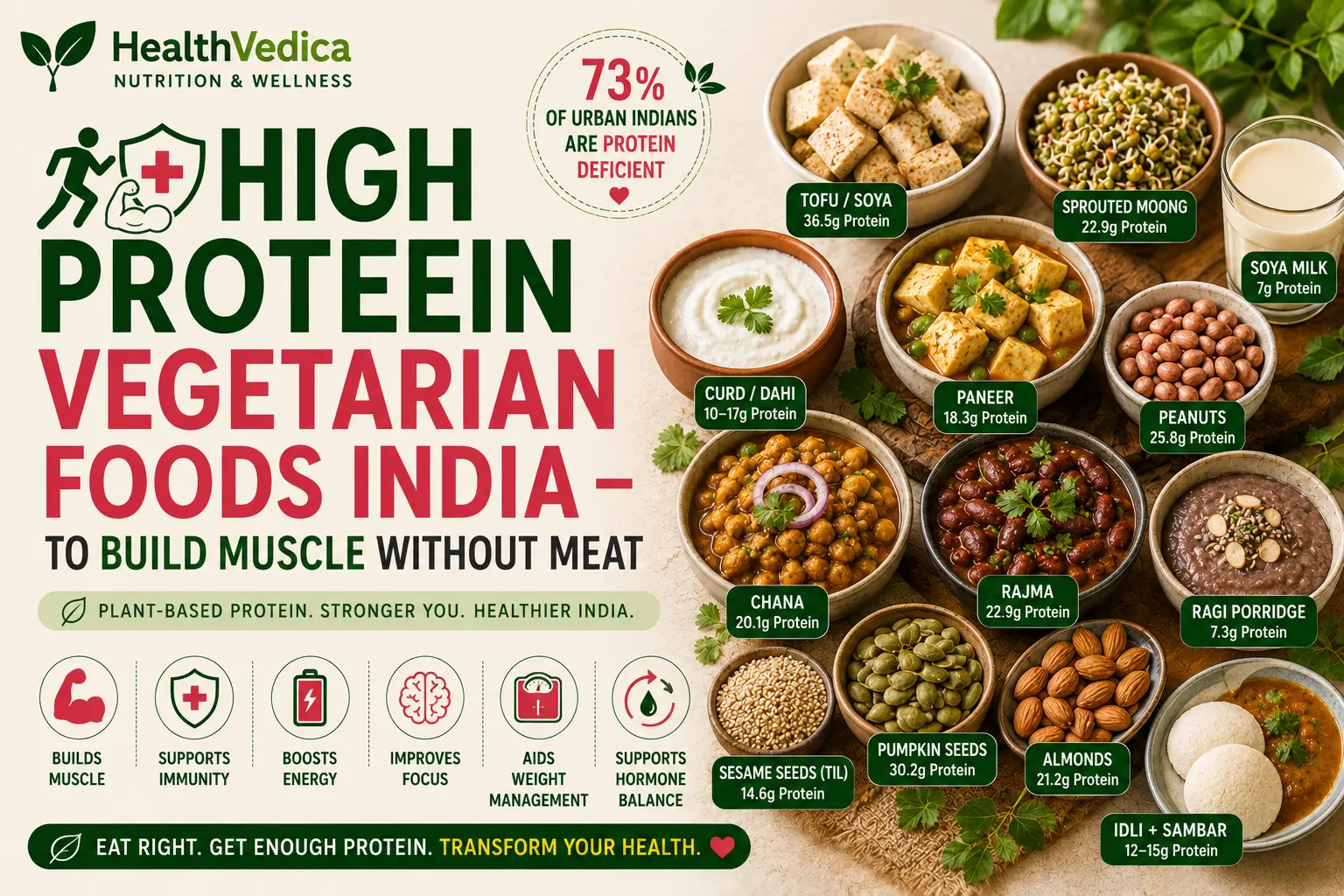
| Protein | 36.5 g | 73% |
| Total Fat | 19.9 g | 26% |
| Polyunsaturated Fat | 11.3 g | — |
| Carbohydrates | 30.2 g | 11% |
| Dietary Fiber | 9.3 g | 33% |
| Calcium | 277 mg | 21% |
| Iron | 15.7 mg | 87% |
| Magnesium | 280 mg | 67% |
| Phosphorus | 704 mg | 56% |
| Potassium | 1797 mg | 38% |
| Folate | 375 mcg | 94% |
| Zinc | 4.9 mg | 45% |
| Manganese | 2.5 mg | 109% |
💪 Complete Plant Protein Power
Soybeans contain approximately 36g protein per 100g, making them one of the richest plant-based protein sources available.
Soy protein contains all essential amino acids and has a protein quality similar to animal-based proteins. It is especially valuable for vegetarians, vegans and people looking to increase protein intake.
📉 Glycemic Index
Soybeans have a low glycemic index because they contain protein, fiber and healthy fats that slow digestion and carbohydrate absorption.
This makes soy-based foods useful in balanced diets focused on blood sugar management.
🧬 Powerful Bioactive Compounds
Soybeans contain isoflavones, phytosterols, lecithin, saponins and antioxidants. Isoflavones are plant compounds that have been extensively researched for their effects on heart health, bone health and hormonal balance.
🕉️ Ayurvedic Perspective & Dosha Effect
Soybean is not traditionally mentioned in classical Ayurveda because it became widely used in India later. However, based on its qualities, it can be understood as a nutrient-dense pulse.
Rasa (Taste): Sweet (Madhura).
Quality: Heavy and nourishing.
Dosha Effect: May support Vata due to its nourishing nature but can increase Kapha if consumed excessively because of its heaviness.
Ayurvedic principles recommend proper cooking with digestive spices such as ginger, cumin, hing and black pepper because soy can be difficult to digest for some individuals.
💚 Evidence-Based Health Benefits
Heart Health Support: Soy protein may help maintain healthier cholesterol levels when replacing high saturated fat protein sources.
Muscle Building: Complete amino acid profile supports muscle repair, strength and recovery.
Bone Health: Protein, calcium and minerals contribute to maintaining strong bones.
Weight Management: High protein content increases satiety and may help control appetite.
Blood Sugar Management: Fiber and protein combination supports slower glucose absorption.
Women's Health: Soy isoflavones have been studied for their role in supporting menopausal health.
Digestive Health: Fiber supports beneficial gut bacteria and bowel regularity.
❤️ Soybeans & Cholesterol
Soy protein has been studied for its ability to support healthy LDL cholesterol levels when included as part of a heart-friendly diet. The benefit is strongest when soy replaces foods higher in saturated fats.
👩 Soybeans & Women's Health
Soy contains isoflavones, which are phytoestrogens (plant-derived compounds with weak estrogen-like activity). Research suggests they may help some women manage menopause-related symptoms, though individual responses vary.
🏋️ Soybeans for Fitness & Muscle Growth
Soy protein is popular among athletes because it provides complete amino acids needed for muscle protein synthesis. Soy chunks and tofu are commonly used vegetarian protein sources.
👨👩👧 Who Should Eat Soybeans?
Soybeans can be suitable for vegetarians, athletes, people needing more protein and individuals looking for plant-based alternatives to animal protein.
🚫 Who Should Limit Soybeans?
People with soy allergies should avoid soy products. Individuals with thyroid conditions should maintain adequate iodine intake and avoid excessive raw soy consumption.
🌿 Healthy Soy Recipes & Preparations
Tofu Curry: Protein-rich alternative to paneer.
Soy Chunk Masala: Popular high-protein Indian dish.
Soy Milk: Dairy-free nutritious beverage.
Edamame Snack: Boiled young soybeans with seasoning.
Sprouted Soybeans: Nutrient-rich preparation when properly cooked.
🥗 Best Ways to Eat Soybeans
Always cook soybeans properly because raw soybeans contain natural compounds that can reduce nutrient absorption. Fermented soy products like tempeh may be easier to digest.
🍽️ Best Food Combinations
Soy pairs well with vegetables, whole grains, millets, rice, spices, sesame seeds and fermented foods.
🌱 Soy Products & Their Benefits
| Product | Benefits |
|---|---|
| Tofu | High-protein dairy alternative. |
| Soy Chunks | Very high protein vegetarian food. |
| Soy Milk | Plant-based calcium and protein source. |
| Edamame | Young soybeans rich in protein and fiber. |
🧊 Storage Tips
Store dry soybeans in an airtight container away from moisture. Cooked soybeans should be refrigerated.
📅 Daily Recommended Intake
Moderate intake such as 25–50 grams soy protein equivalent per day can fit into a balanced diet depending on individual needs.
⚠️ Precautions
Avoid excessive consumption of highly processed soy products. Choose traditional forms like tofu, soybeans and fermented soy foods whenever possible.
🔬 Scientific Highlights
Soybeans are among the most researched plant foods due to their complete protein profile, isoflavones, heart-health benefits and role in sustainable nutrition.
❌ Common Myths & Facts
❌ Myth: Soy always causes hormonal problems.
✅ Fact: Moderate soy consumption is considered safe for most healthy individuals.
❌ Myth: Plant proteins cannot build muscle.
✅ Fact: Soy is a complete plant protein containing all essential amino acids.
❌ Myth: Only tofu provides soy benefits.
✅ Fact: Soybeans, soy milk, edamame and soy chunks all provide nutritional benefits.
🌍 Fun Facts
- Soybeans are one of the few plant foods containing complete protein.
- Soy has been cultivated for more than 3,000 years.
- Tofu originated in ancient China.
- Soybean oil is one of the most widely used vegetable oils worldwide.
- Soybeans are used in both food and industrial products.
🌱 Edible Parts & Their Benefits
| Form | Health Benefits |
|---|---|
| Whole Soybeans | Complete protein, fiber and minerals. |
| Tofu | Protein-rich versatile food. |
| Soy Chunks | Concentrated vegetarian protein. |
| Edamame | Fresh young soybean snack. |
🌱 Seasonality in India
| Season | Availability |
|---|---|
| Harvest Season | September – October |
| Best Climate | Warm and humid growing conditions |
| Buying Tip | Select clean, dry beans without damage. |
⏰ Best Time to Eat
Soy-based foods are best consumed during breakfast or lunch as they provide sustained protein and energy.