vegetables

Mushroom Nutrition, Immunity, Vitamin D & Adaptogenic Benefits

Last updated:
🌿 Immunity Support
Mushroom β€” Nutrition, Health Benefits & Remedies
Mushroom Nutrition, Immunity, Vitamin D & Adaptogenic Benefits
⚠️ Medical Disclaimer: This content is for informational purposes only and does not constitute medical advice. Always consult a qualified healthcare professional for diagnosis and treatment.

🌿 Introduction

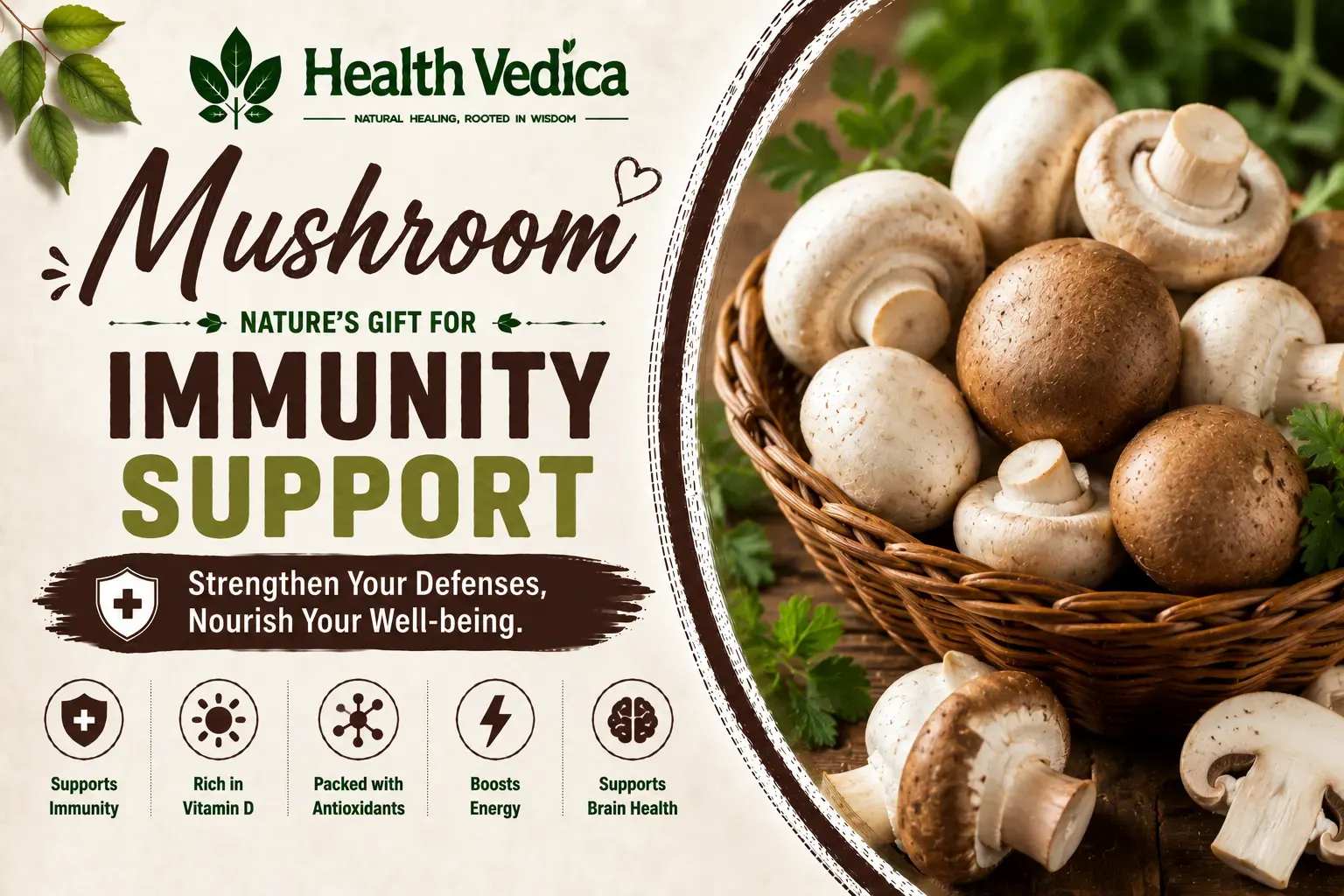
Mushrooms are a unique food that bridges the gap between vegetables and superfoods. They are neither plants nor animals β€” they belong to the fungi kingdom β€” yet they offer extraordinary nutritional and medicinal benefits. Mushrooms are the only non-animal food that naturally produces Vitamin D when exposed to sunlight. They are rich in B vitamins, selenium, and beta-glucans β€” immune-modulating compounds that have been extensively studied for their ability to fight infections and cancer. Button, Oyster, and Shiitake mushrooms are widely consumed in India.

πŸ“Š Nutritional Value Per 100g (Button Mushroom)

NutrientAmount% Daily Value
Calories22 kcal1%
Carbohydrates3.3 g1%
Protein3.1 g6%
Fat0.3 g0%
Fiber1 g4%
Vitamin D7 IU (sun-exposed: 400+ IU)Up to 50%
Vitamin B2 (Riboflavin)0.4 mg31%
Vitamin B3 (Niacin)3.6 mg22%
Vitamin B51.5 mg30%
Selenium9.3 mcg17%
Potassium318 mg9%
Copper0.3 mg33%
Beta-GlucansSignificantβ€”

πŸ“‰ Glycemic Index

Mushrooms have a very low glycemic index (GI around 10–15) and are very low in carbohydrates. They are an excellent choice for diabetics and those on low-carb or keto diets. They are also a great low-calorie, high-protein option for vegetarians and vegans.

πŸ•‰οΈ Ayurvedic Properties & Dosha Effect

In classical Ayurveda, mushrooms (known as Chhatrak) are considered Guru (heavy to digest) and are consumed in moderation. They are nutritive and cooling in nature. Sun-dried or cooked mushrooms are preferred for better digestibility. Ayurveda particularly values their Rasayana (rejuvenating) properties and their ability to build Ojas and enhance immunity when consumed in appropriate quantities.

πŸ’š Health & Healing Benefits

Beta-glucans in mushrooms are among the most studied immune-modulating compounds in nutrition science. They activate natural killer cells and macrophages, enhancing the body's ability to fight infections, viruses, and cancer. Mushrooms exposed to UV light or sunlight produce significant Vitamin D β€” a nutrient critically deficient in most Indians β€” and placing mushrooms gills-up in sunlight for 30–60 minutes can generate 400+ IU of Vitamin D per 100g. Selenium in mushrooms functions as a powerful antioxidant and is essential for thyroid function. Mushrooms' high potassium and low sodium content supports heart health and blood pressure regulation. Some mushroom varieties (Reishi, Cordyceps, Lion's Mane) have powerful adaptogenic and neuroprotective properties, though these are more medicinal and less commonly used in cooking.

πŸ› Indian Dietary Uses

Mushrooms are used in Mushroom Masala, Kadai Mushroom, Mushroom Biryani, Mushroom Soup, and sautΓ©ed preparations. Oyster and Shiitake mushrooms are increasingly grown and available in Indian markets. Placing mushrooms in morning sunlight before cooking is a simple way to boost their Vitamin D content dramatically.
❓ Frequently Asked Questions

Common questions about Mushroom

Yes, mushrooms are the only plant-based food that produces Vitamin D. Exposing mushrooms to direct sunlight for 30–60 minutes gills-up can increase their Vitamin D content to 400+ IU per 100g.
Yes, mushrooms contain beta-glucans which are powerful immune modulators. They activate natural killer cells and macrophages, significantly enhancing the body's defense against infections and cancer.
Yes, mushrooms contain 3.1g protein per 100g β€” higher than most vegetables β€” and also provide B12 precursors, making them an excellent addition to vegetarian and vegan diets.
Shiitake and Oyster mushrooms are among the most nutritious edible varieties, while Reishi, Cordyceps, and Lion's Mane are considered most medicinal for immunity and brain health.
Related Blogs
Best Diet for High Blood Pressure in India Health Conditions
Best Diet for High Blood Pressure in India
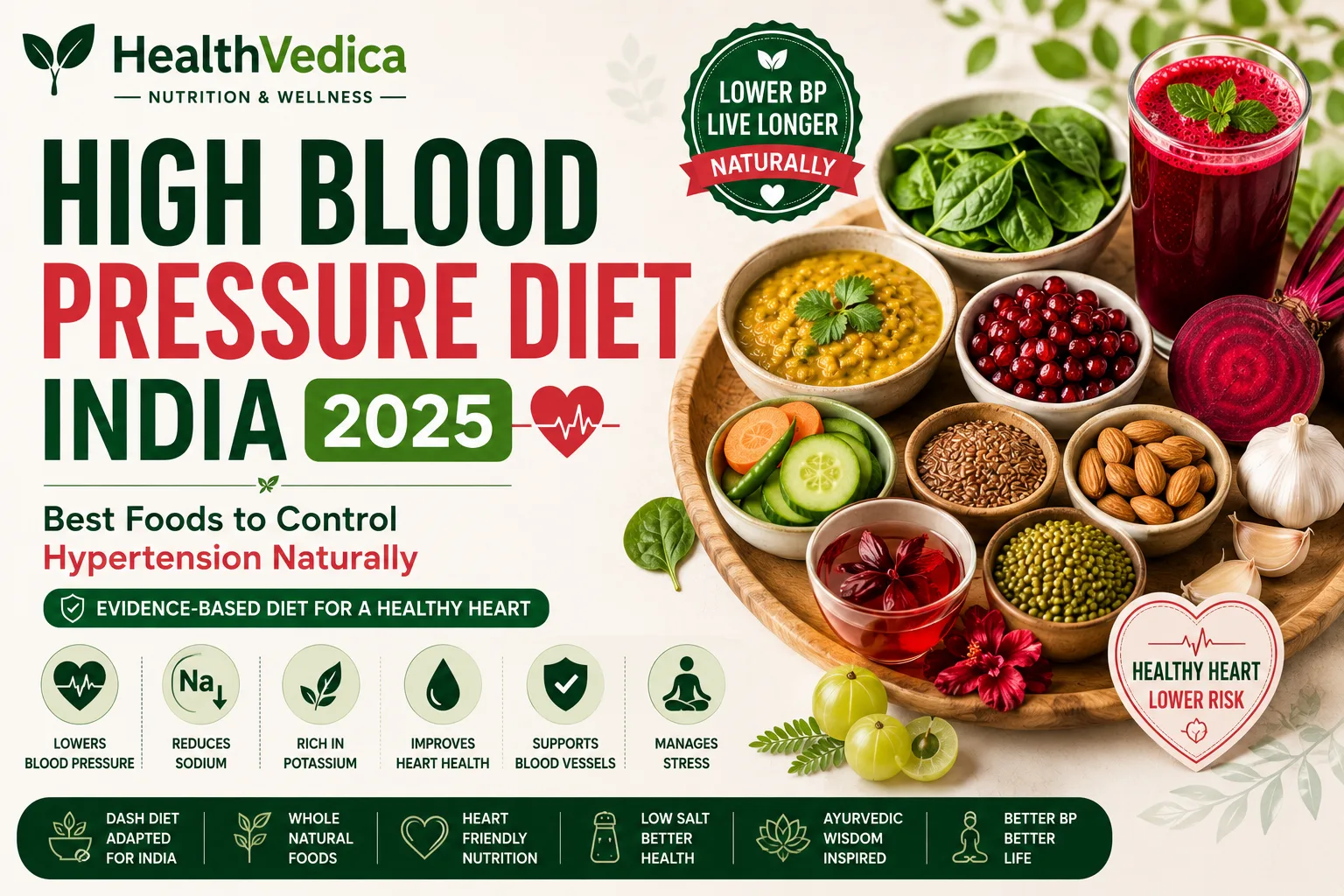
πŸ’Š India's Hypertension EpidemicHypertension (high blood pressure) is India's most prevalent chronic...
Read More
Best Protein Powder in India Fitness & Lifestyle
Best Protein Powder in India
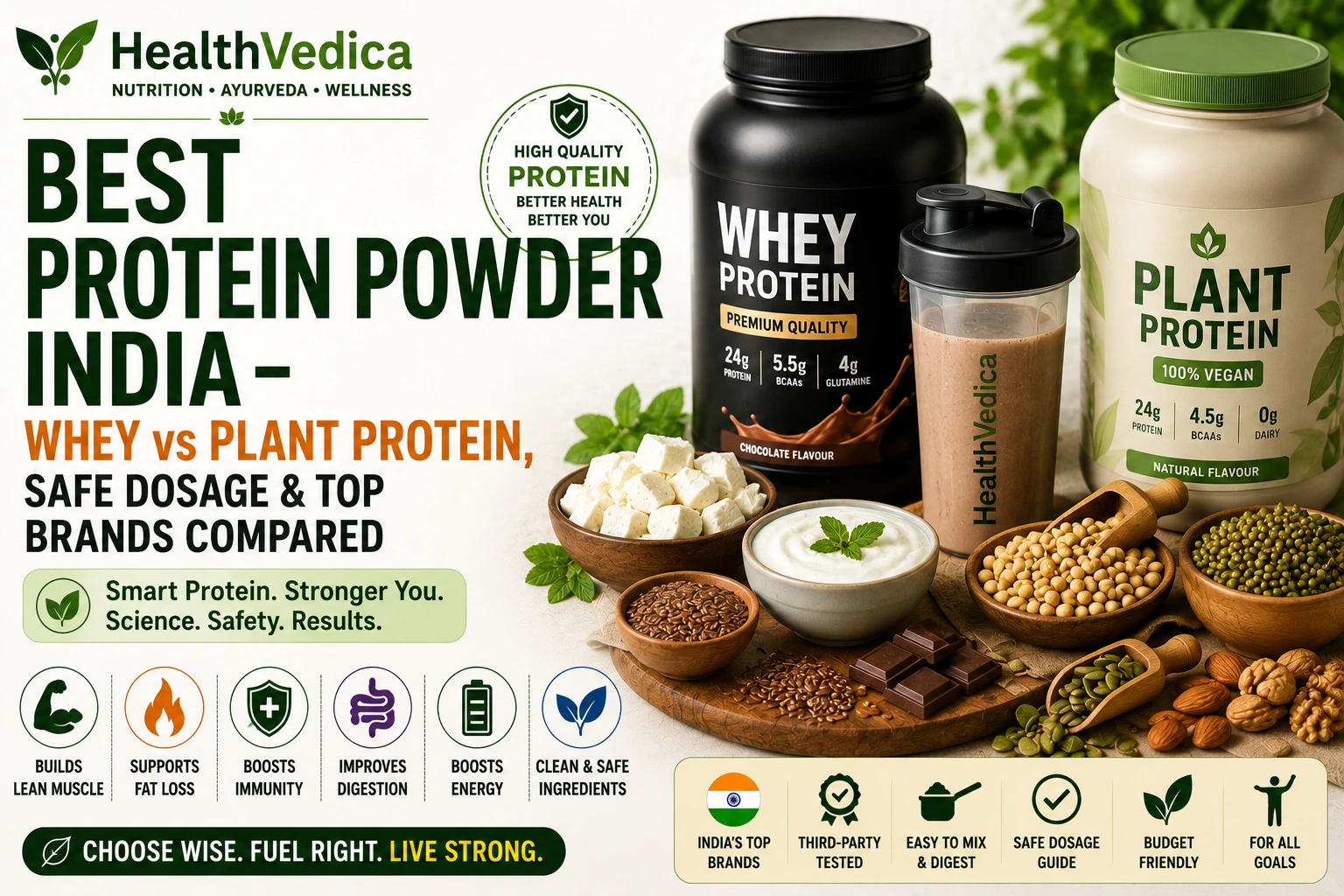
πŸ’ͺ India's Protein Problem β€” and the Supplement SolutionIndia has a severe and underappreciated prot...
Read More
Folate Vitamin B9 Foods Vitamins & Minerals
Folate Vitamin B9 Foods
πŸ₯¬ What Is Folate (Vitamin B9)?Folate, also known as Vitamin B9, is a water-soluble vitamin essentia...
Read More
Electrolytes Foods Natural Sources Vitamins & Minerals
Electrolytes Foods Natural Sources
πŸ’§ What Are Electrolytes?Electrolytes are minerals that carry an electrical charge when dissolved in...
Read More
Omega-3 Foods India Vitamins & Minerals
Omega-3 Foods India
🐟 What Are Omega-3 Fatty Acids?Omega-3 fatty acids are essential fats that play a critical role in...
Read More
Piles Constipation Diet Health Conditions
Piles Constipation Diet
🩺 What Are Piles and Constipation?Piles (hemorrhoids) are swollen veins in the rectum or anus that...
Read More
Baby Nutrition for Healthy Growth Pregnancy & Family
Baby Nutrition for Healthy Growth
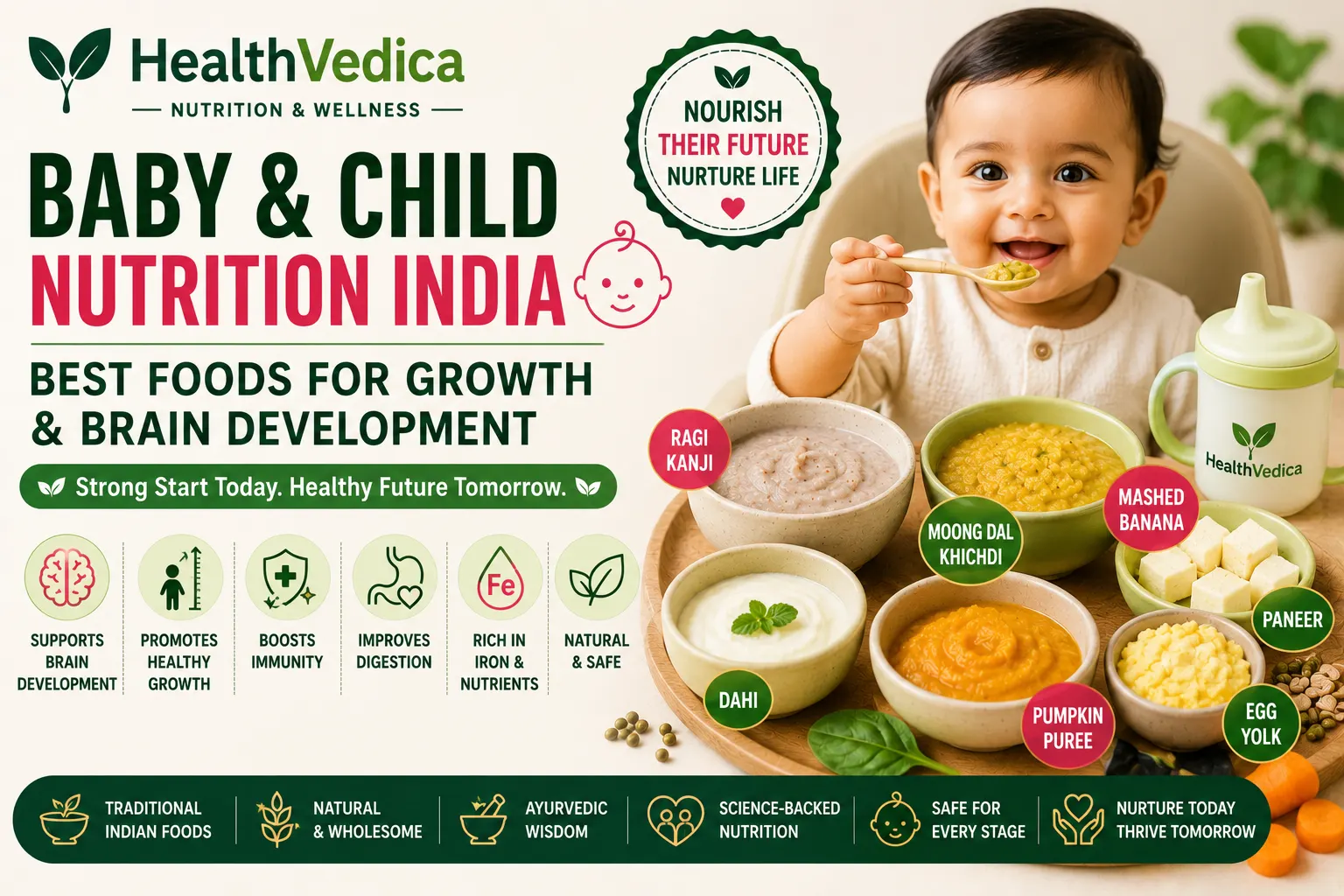
πŸ‘Ά Child Nutrition: India's Critical PriorityIndia faces a dual nutrition crisis in children: 35.5%...
Read More
Best Foods to Control Blood Sugar Health Conditions
Best Foods to Control Blood Sugar
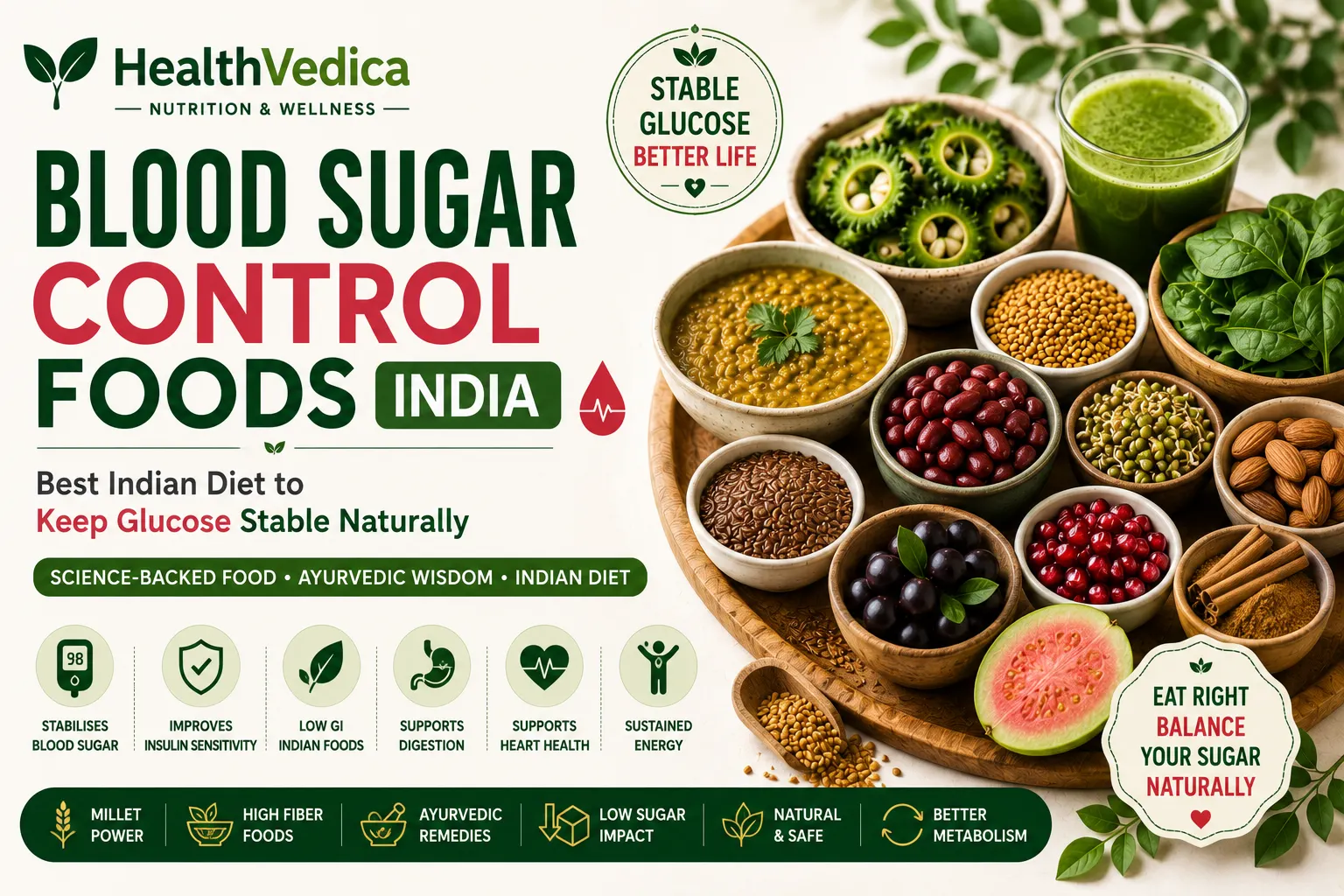
🩸 India's Blood Sugar CrisisIndia faces the world's most severe blood sugar crisis. Beyond the 101...
Read More
Neem Health Benefits and Uses Nutrition
Neem Health Benefits and Uses
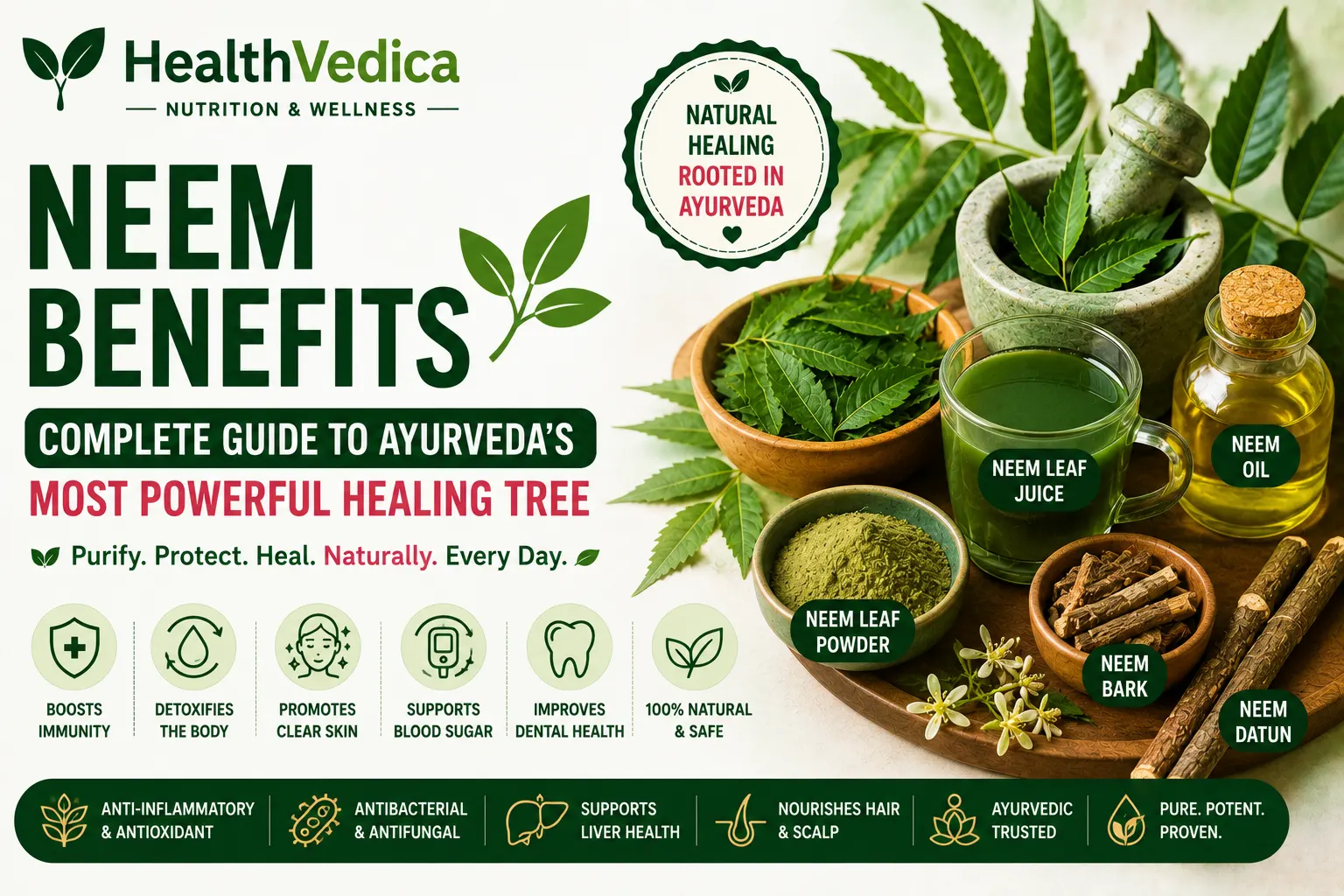
🌿 Neem: India's Village PharmacyNeem (Azadirachta indica) β€” called Sarva Roga Nivarini (the curer o...
Read More
HealthVedica Editorial Team

HealthVedica Editorial Team

Written by Raviteja

Our content is AI-assisted and editorially reviewed to ensure accuracy against Ayurvedic guidelines and Indian health research. Learn more β†’