🫘 Fatty Liver Is Largely Reversible Through Diet
Non-alcoholic fatty liver disease (NAFLD), now increasingly termed metabolic dysfunction-associated steatotic liver disease (MASLD), has become remarkably common in India, affecting an estimated one in three urban adults according to several recent studies. Unlike many chronic conditions, early-to-moderate fatty liver is genuinely reversible through sustained dietary change, since the liver has strong regenerative capacity when the underlying drivers — excess refined carbohydrates, added sugar, and caloric surplus — are addressed.
The liver accumulates fat primarily as a consequence of excess fructose and refined carbohydrate intake driving fat synthesis within liver cells (a process called de novo lipogenesis), combined with insulin resistance that impairs the liver's ability to clear fat efficiently. This means the most effective dietary changes target sugar and refined carbohydrate reduction specifically, not just general healthy eating.
🔬 How Specific Foods Help the Liver
Reducing fructose load: Excess fructose, particularly from added sugars and sweetened beverages, is processed almost exclusively by the liver and is a primary driver of fat accumulation. Reducing sugary drinks, packaged juices, and added sugar is the single most impactful dietary change for fatty liver.
Fibre slows fat synthesis: High-fibre foods slow glucose absorption, reducing the insulin spikes that drive liver fat production. Whole grains, legumes, and vegetables all contribute to this effect.
Antioxidants reduce liver inflammation: Fatty liver progresses toward more serious disease (steatohepatitis) partly through oxidative stress and inflammation within liver tissue. Antioxidant-rich foods help offset this inflammatory burden.
Healthy fats support, not worsen, liver fat: Despite the name 'fatty liver,' dietary fat from sources like nuts, fish, and olive oil does not worsen the condition — and may help — since the liver fat in NAFLD originates predominantly from excess carbohydrate conversion, not directly from dietary fat intake.
📊 Best Indian Foods for Fatty Liver
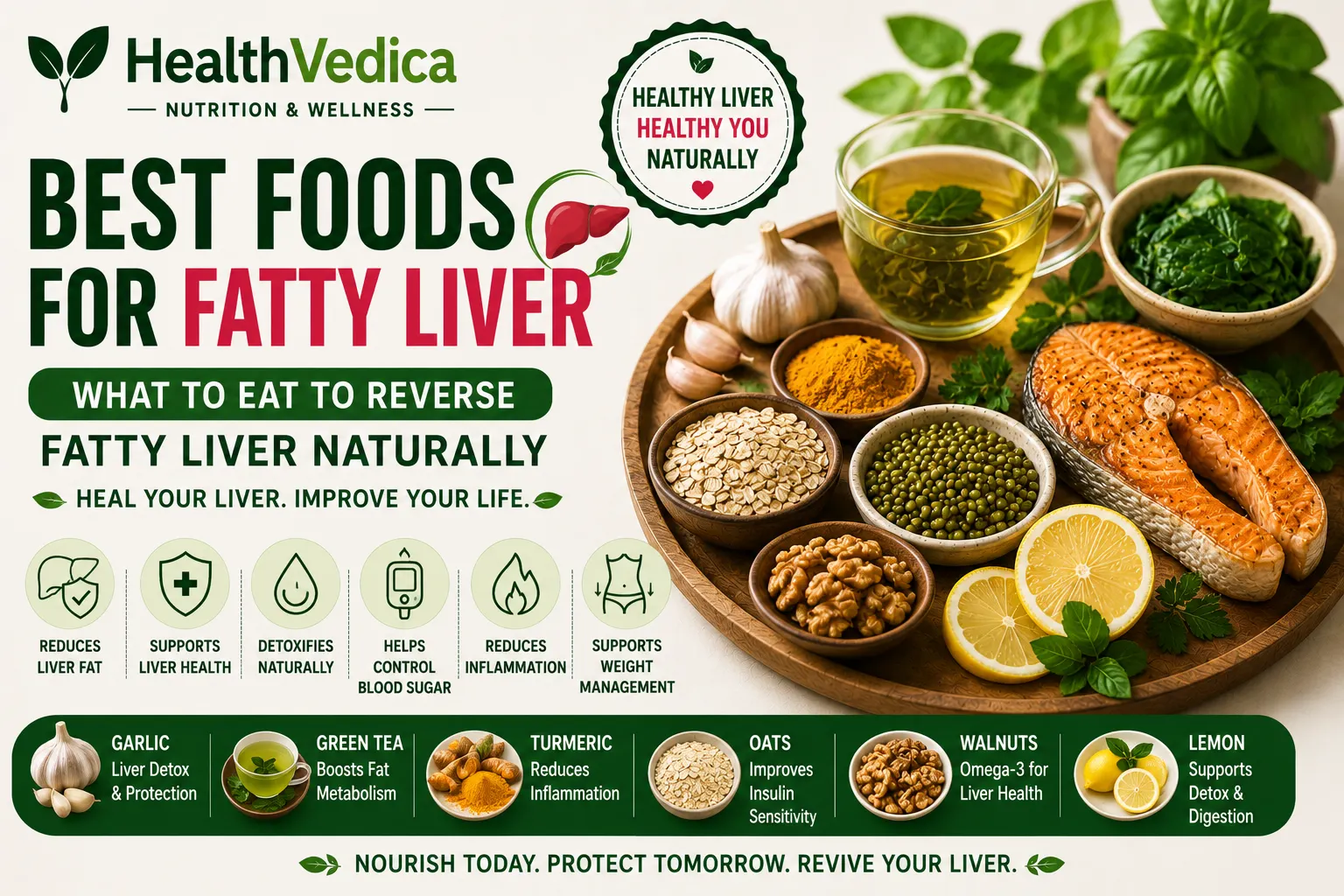
| Food | How It Helps | How to Use |
|---|---|---|
| Garlic | Contains allicin, studied for reducing liver fat and inflammation | Raw or lightly cooked into tadka |
| Green tea | Catechins support fat metabolism in liver cells | 1-2 cups daily, unsweetened |
| Turmeric | Curcumin reduces liver inflammation markers | Daily cooking spice, golden milk |
| Leafy greens (palak, methi) | High fibre and antioxidants, low calorie density | Daily sabzi, dal additions |
| Fatty fish (surmai, bangda) | Omega-3 reduces liver fat accumulation | 2-3 times weekly, grilled or curry |
| Walnuts | Omega-3 and antioxidants support liver function | Small daily handful |
| Oats | Beta-glucan fibre slows glucose absorption | Breakfast, savoury or mild sweet preparation |
| Coffee (black, unsweetened) | Associated with reduced liver fibrosis risk in studies | 1-2 cups daily without sugar |
| Lemon and citrus | Vitamin C supports antioxidant capacity | Daily with meals or warm water |
🚫 Foods That Worsen Fatty Liver
Sugary beverages and packaged fruit juices are the single biggest dietary contributor to fatty liver progression due to their concentrated fructose load. Refined carbohydrates — white rice in excess, maida-based snacks, biscuits, and bakery items — drive the same fat-synthesis pathway. Deep-fried foods and excessive use of refined vegetable oils add to caloric surplus and inflammatory burden. Alcohol, even in people without alcoholic fatty liver disease specifically, places additional metabolic burden on an already stressed liver and should be minimised or avoided.
🍽️ Practical Daily Approach
Morning: Replace sweetened tea or packaged juice with black coffee, green tea, or warm lemon water.
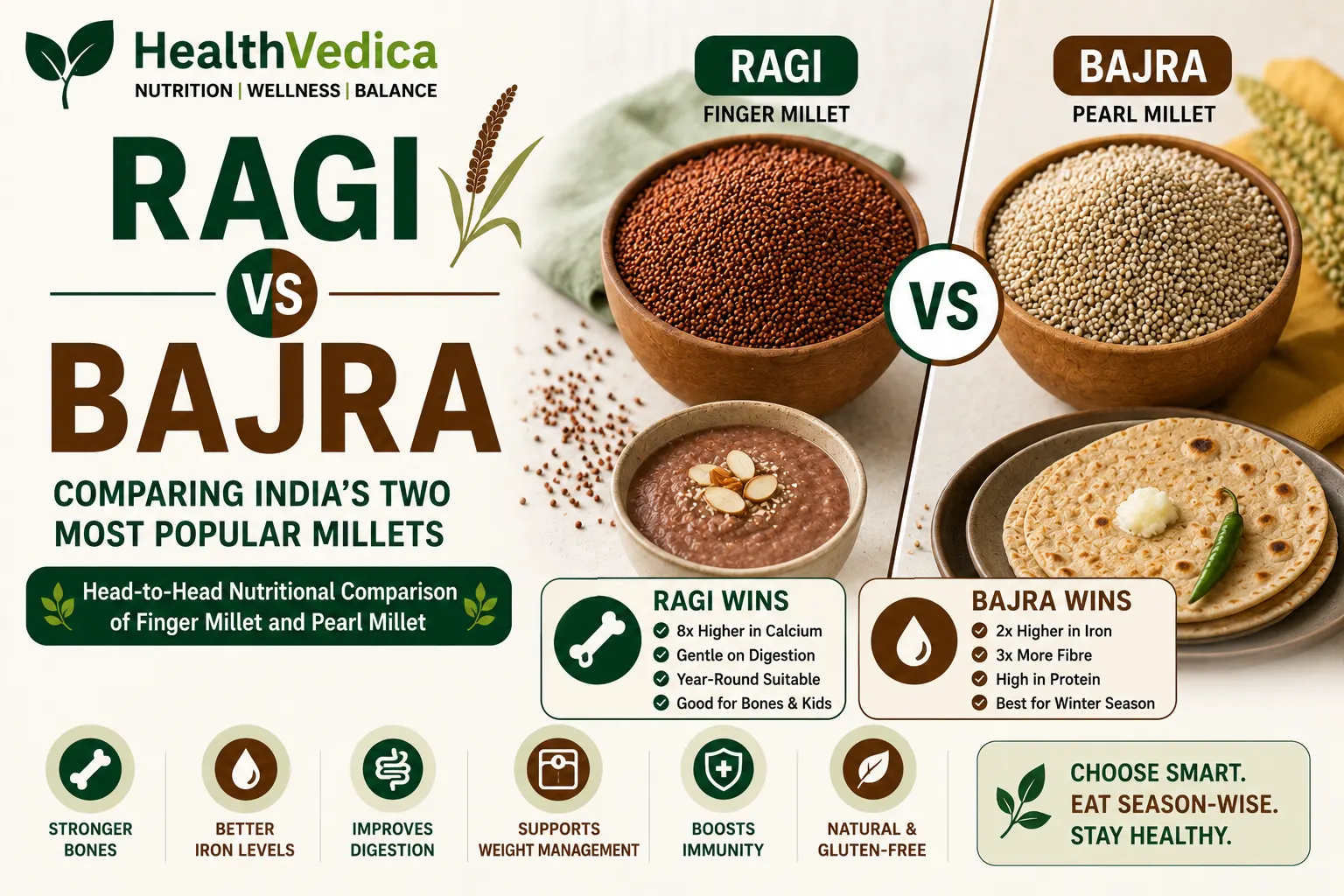
Meals: Build plates around vegetables and legumes first, moderate whole grains (ragi, jowar, oats over white rice and maida), and include garlic and turmeric generously in cooking.
Protein: Include fatty fish two to three times weekly if non-vegetarian, or walnuts and flaxseeds daily if vegetarian, for omega-3 intake.
Avoid: Sugary drinks, fried snacks, and excessive refined carbohydrates — these matter more than eliminating dietary fat, which is a common but outdated misconception about fatty liver management.