vegetables

Amaranth Leaves (Chaulai) Nutrition, Iron, Calcium & Blood Health Benefits

Last updated:
🌿 Iron Support
Amaranth Leaves (Chaulai) β€” Nutrition, Health Benefits & Remedies
Amaranth Leaves (Chaulai) Nutrition, Iron, Calcium & Blood Health Benefits
⚠️ Medical Disclaimer: This content is for informational purposes only and does not constitute medical advice. Always consult a qualified healthcare professional for diagnosis and treatment.

🌿 Introduction

Amaranth Leaves, known as Chaulai in Hindi, Thotakura in Telugu, Sirukeerai in Tamil, and Rajgira Bhaji in Marathi, are broad leafy greens widely consumed across India. They are one of the most nutritionally dense leafy vegetables available, exceptionally rich in iron, calcium, Vitamin C, and protein β€” often called a 'superfood green' in traditional Indian nutrition. Both the leaves and seeds of amaranth have been used for thousands of years in Indian cuisine and Ayurveda.

πŸ“Š Nutritional Value Per 100g

NutrientAmount% Daily Value
Calories23 kcal1%
Carbohydrates3.7 g1%
Protein2.5 g5%
Fat0.3 g0%
Fiber2.2 g8%
Iron2.3 mg13%
Calcium215 mg22%
Vitamin C43 mg48%
Vitamin A2917 IU58%
Vitamin K1140 mcg950%
Folate85 mcg21%
Potassium611 mg17%
Magnesium55 mg14%

πŸ“‰ Glycemic Index

Amaranth leaves have a very low glycemic index with minimal carbohydrates, making them ideal for diabetics and weight-conscious individuals. Their high fiber and protein content relative to most vegetables makes them particularly filling and blood sugar-friendly.

πŸ•‰οΈ Ayurvedic Properties & Dosha Effect

In Ayurveda, Chaulai is considered Sheeta (cooling), Madhura (sweet), and Laghu (light). It primarily pacifies Pitta dosha and is used to reduce burning sensations, skin inflammation, and heat-related conditions. It is a traditional blood-purifying herb in Ayurvedic medicine and is recommended for anemia, liver health, and as a nutritive tonic during convalescence.

πŸ’š Health & Healing Benefits

Amaranth leaves stand out among greens for their extraordinary Vitamin K content (1140 mcg per 100g β€” nearly 10 times the daily value), making them among the most potent natural sources of this bone and clotting-essential vitamin. Their iron content (2.3 mg per 100g) is excellent for a leafy green and, importantly, is paired with Vitamin C (43 mg) in the same food β€” which dramatically enhances non-heme iron absorption. This makes chaulai particularly effective for treating and preventing iron-deficiency anemia. The calcium content (215 mg per 100g) rivals that of dairy, making amaranth leaves a vital source of calcium for vegans and lactose-intolerant individuals. Vitamin A content (2917 IU) supports eye health, immune function, and skin regeneration. The betaine in amaranth leaves supports liver detoxification and reduces homocysteine levels linked to heart disease.

πŸ› Indian Dietary Uses

Amaranth leaves are used in sabzis (stir-fries), dals, soups, and as a spinach substitute in curries. Thotakura pappu (amaranth dal) is a beloved dish in Andhra Pradesh. In Maharashtra, Rajgira bhaji is a popular fasting-day preparation.
❓ Frequently Asked Questions

Common questions about Amaranth Leaves (Chaulai)

Yes, amaranth leaves have an excellent combination of iron (2.3 mg/100g) and Vitamin C (43 mg/100g) in the same food. Vitamin C dramatically enhances iron absorption, making chaulai highly effective for treating iron-deficiency anemia.
Yes, amaranth leaves contain 215 mg of calcium and an extraordinary 1140 mcg of Vitamin K per 100g β€” both critical for bone density, calcium absorption, and prevention of osteoporosis.
Yes, amaranth leaves can be used as a substitute for spinach in most recipes. They have a similar texture and are often more nutritious, particularly in calcium, iron, and Vitamin A content.
Yes, amaranth contains betaine, which supports liver detoxification, reduces liver fat accumulation, and helps lower homocysteine levels β€” a risk factor for heart disease.
Related Blogs
Benefits of Drinking Green Tea Fitness & Lifestyle
Benefits of Drinking Green Tea
🍡 Green Tea Revolution in IndiaIndia is a nation of tea drinkers β€” we consume 1.1 billion kg of tea...
Read More
Foods for Kidney Health Health Conditions
Foods for Kidney Health
🩺 Why Kidney Health Is ImportantThe kidneys are vital organs responsible for filtering waste produc...
Read More
Best Morning Detox Drinks Fitness & Lifestyle
Best Morning Detox Drinks
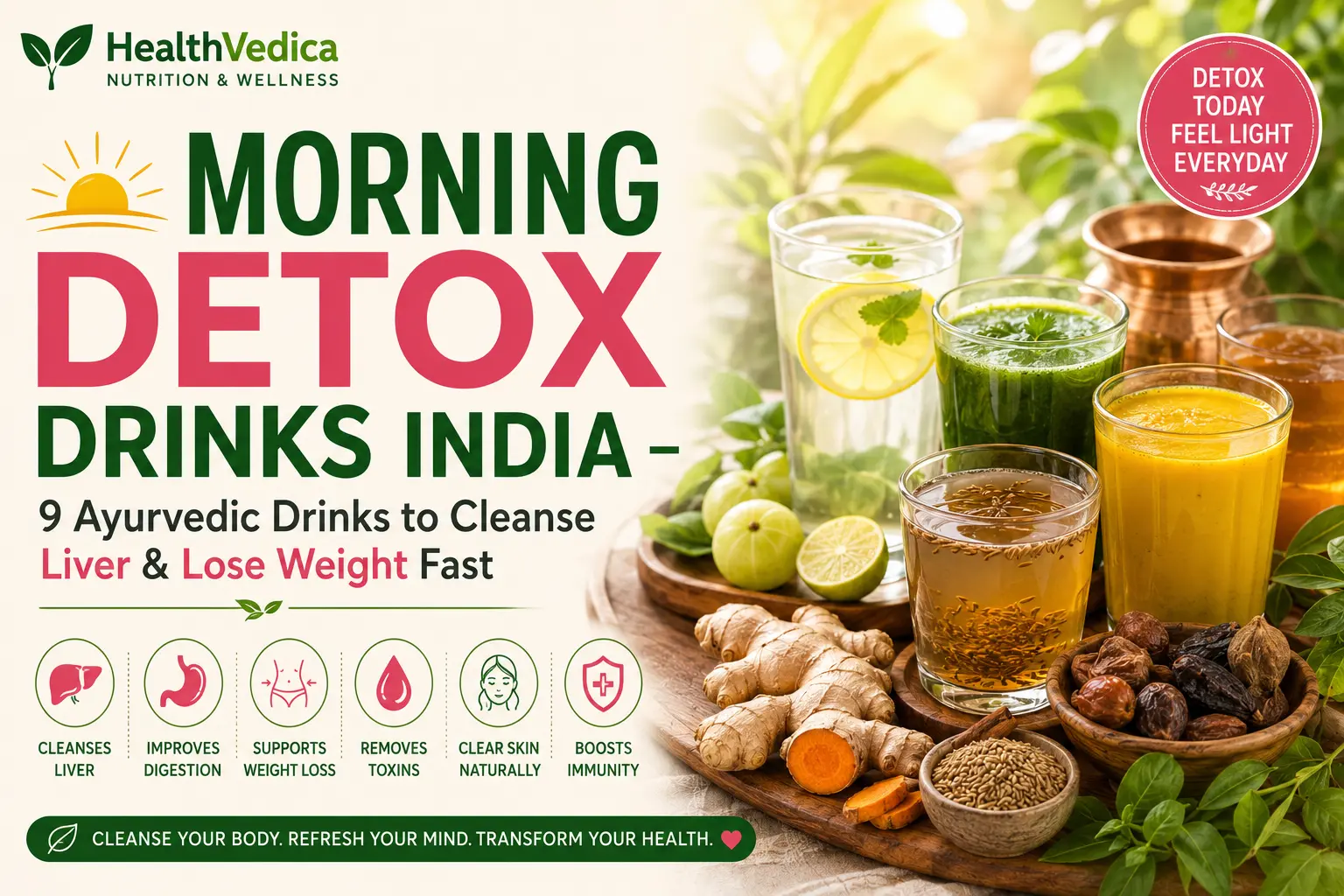
πŸŒ… IntroductionThe morning hours β€” from sunrise to 10 AM β€” are considered the most powerful window f...
Read More
Foods for Wound Healing Recovery Health Conditions
Foods for Wound Healing Recovery
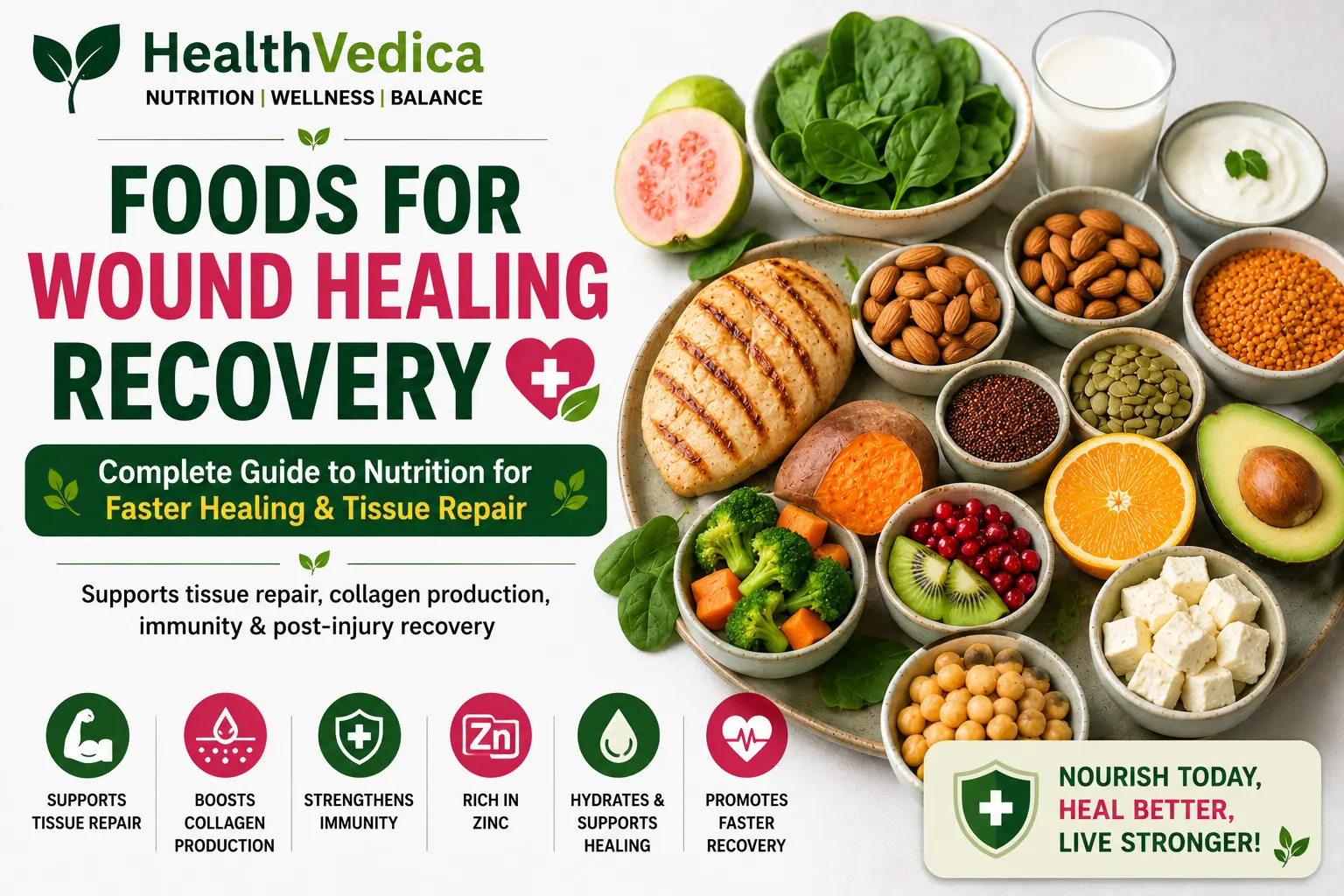
🩹 Why Nutrition Matters for Wound HealingWound healing is a complex process that requires adequate...
Read More
Alkaline Diet India Diet Plans
Alkaline Diet India
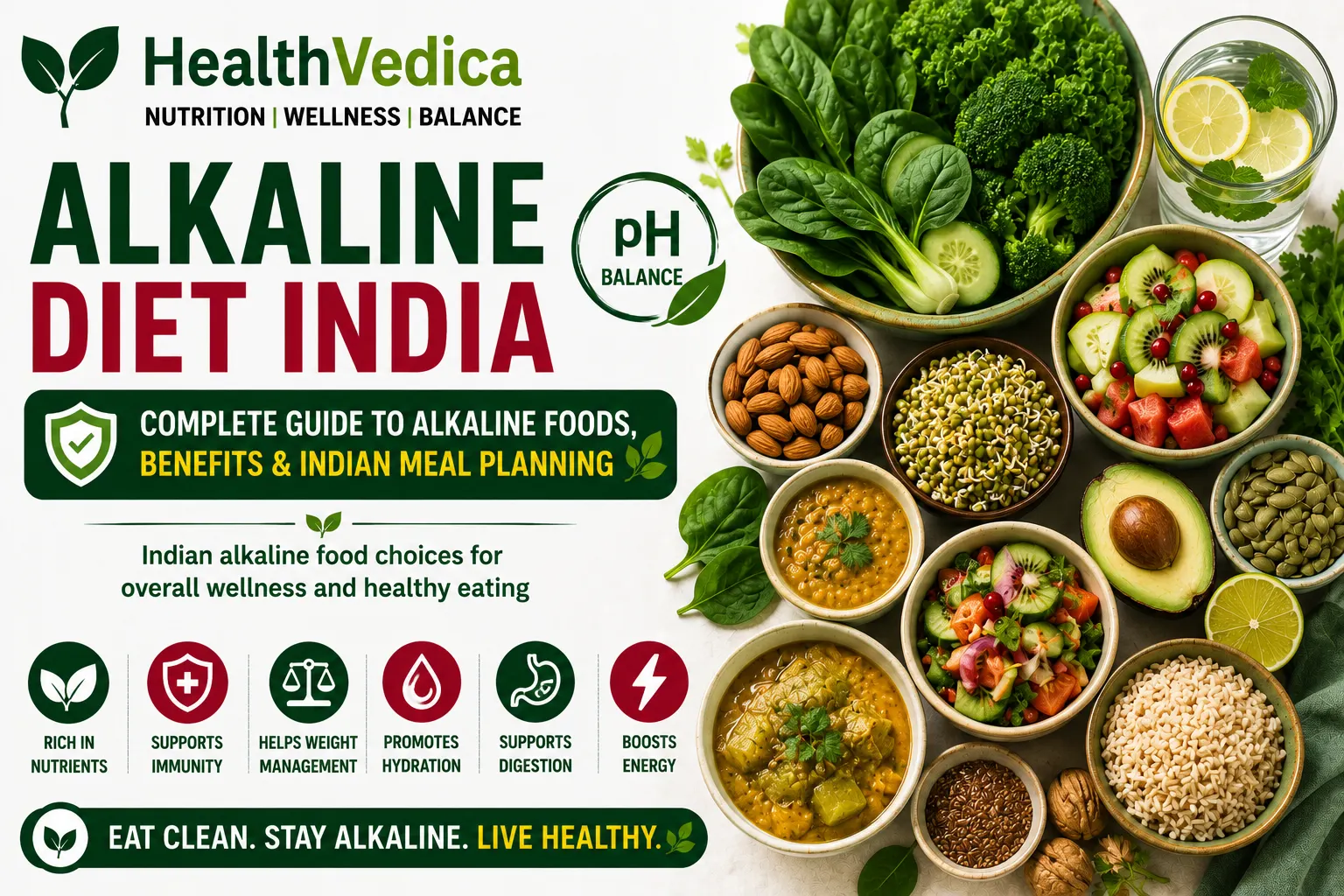
🌿 What Is an Alkaline Diet?The alkaline diet is a dietary approach that encourages the consumption...
Read More
Top Brain Foods for Memory and Focus Nutrition
Top Brain Foods for Memory and Focus
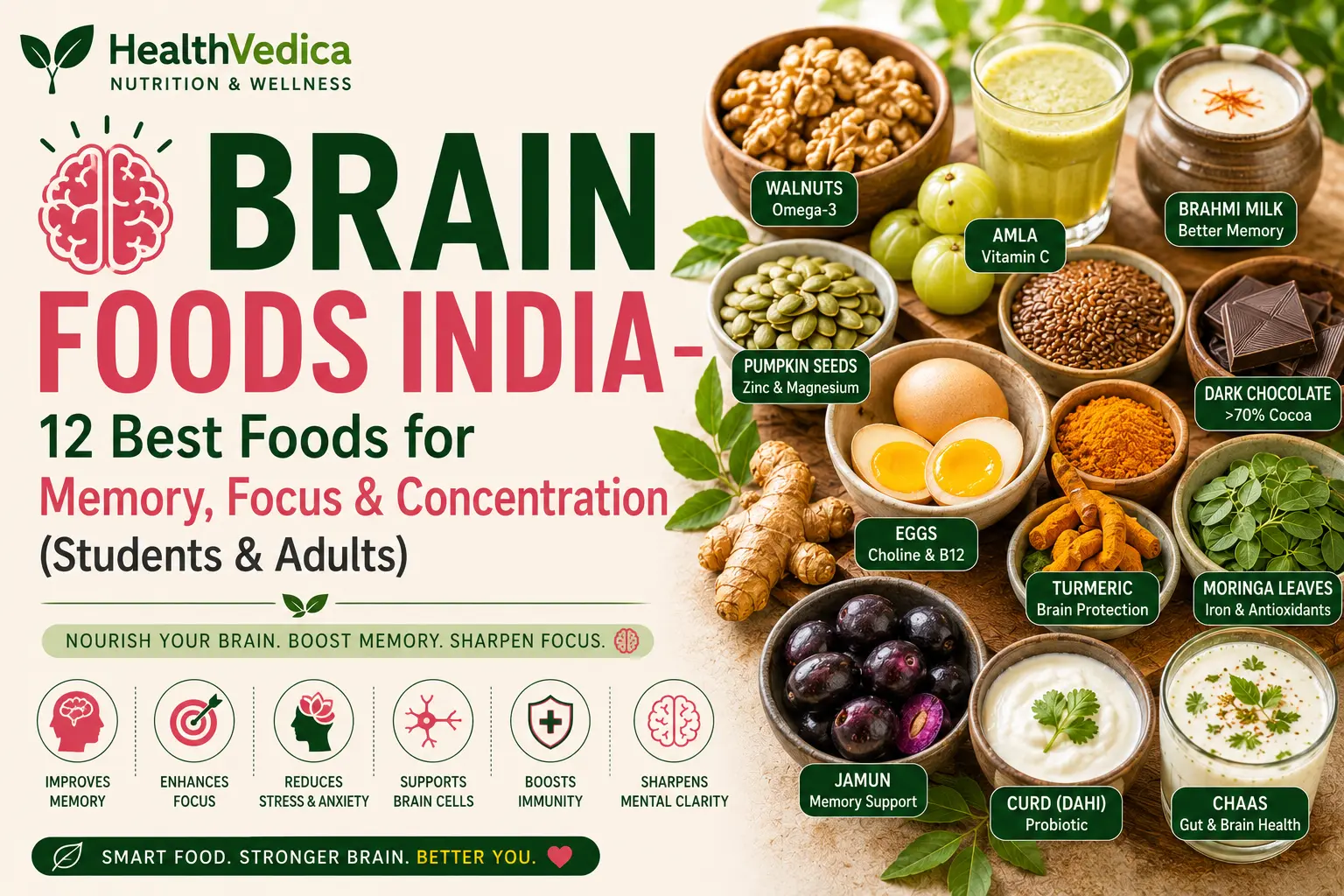
🧠 IntroductionIn 2025, brain health and cognitive performance have overtaken weight loss as the num...
Read More
Baby Nutrition for Healthy Growth Pregnancy & Family
Baby Nutrition for Healthy Growth
πŸ‘Ά Child Nutrition: India's Critical PriorityIndia faces a dual nutrition crisis in children: 35.5%...
Read More
Healthy Indian Tiffin Box Ideas Recipes
Healthy Indian Tiffin Box Ideas
πŸ₯— Why a Healthy Tiffin Box MattersA well-planned tiffin box provides steady energy, improves concen...
Read More
Vitamin E Benefits and Foods Vitamins & Minerals
Vitamin E Benefits and Foods
🌻 The Antioxidant Vitamin Working Inside Your Cell MembranesVitamin E is a fat-soluble antioxidant...
Read More
HealthVedica Editorial Team

HealthVedica Editorial Team

Written by Raviteja

Our content is AI-assisted and editorially reviewed to ensure accuracy against Ayurvedic guidelines and Indian health research. Learn more β†’