✨ Skin Health Begins in the Kitchen
Indian skincare spending has crossed ₹17,000 crore annually — creams, serums, facewashes, and treatments promising radiant skin from the outside. Yet dermatologists and Ayurvedic physicians have long known a fundamental truth: lasting skin health cannot be achieved topically alone. The skin is the body's largest organ, and its condition is a direct reflection of internal nutrition, hydration, gut health, and hormonal balance.
Indian skin has unique characteristics — higher melanin content provides natural UV protection but also makes hyperpigmentation, uneven skin tone, and melasma more common concerns. India's tropical climate, pollution exposure, and dietary transitions from traditional to processed foods create specific skin challenges for modern Indians: acne, dullness, premature aging, dark circles, and pigmentation.
The solution lies in our own food culture. Traditional Indian ingredients — turmeric, amla, saffron, sesame, ghee, and a rainbow of vegetables and spices — contain some of the world's most potent skin-protective and skin-brightening compounds. This guide reveals exactly which foods build radiant skin from within, and how to incorporate them into daily Indian eating.
🔬 The Science of Skin Nutrition
Collagen synthesis: Collagen is the structural protein that gives skin firmness, elasticity, and smoothness. Production requires vitamin C (essential cofactor), zinc, copper, and amino acids (particularly glycine, proline, and lysine). Collagen synthesis peaks in youth and declines after 25 — nutrition can significantly slow this decline.
Oxidative stress and skin aging: UV radiation, pollution, stress, and poor diet generate free radicals that damage skin DNA, break down collagen, and cause premature aging. Dietary antioxidants (vitamins C, E, beta-carotene, selenium, polyphenols) neutralise free radicals and protect skin cells.
Gut-skin axis: Research now confirms a direct bidirectional relationship between gut microbiome health and skin health. Dysbiosis (imbalanced gut bacteria) causes systemic inflammation that manifests as acne, eczema, rosacea, and psoriasis. Probiotic foods and prebiotic fibre improve skin by restoring gut microbiome balance.
Hydration and skin barrier: Water content of skin determines plumpness and texture. Foods rich in water (cucumbers, watermelon), hyaluronic acid precursors (bone broth, soy), and essential fatty acids (omega-3) maintain the skin barrier that retains moisture.
Glycation and sugar: Excess blood sugar damages collagen through glycation — sugar molecules attach to collagen fibres, making them stiff and brittle. This causes sagging, wrinkles, and dull complexion. Low-glycaemic diets directly protect skin collagen.
📊 Skin Nutrients and Best Indian Food Sources
| Nutrient | Skin Benefit | Top Indian Sources | Daily Target |
|---|---|---|---|
| Vitamin C | Collagen synthesis, brightening | Amla (600mg/100g), guava, lemon, capsicum | 200–500mg |
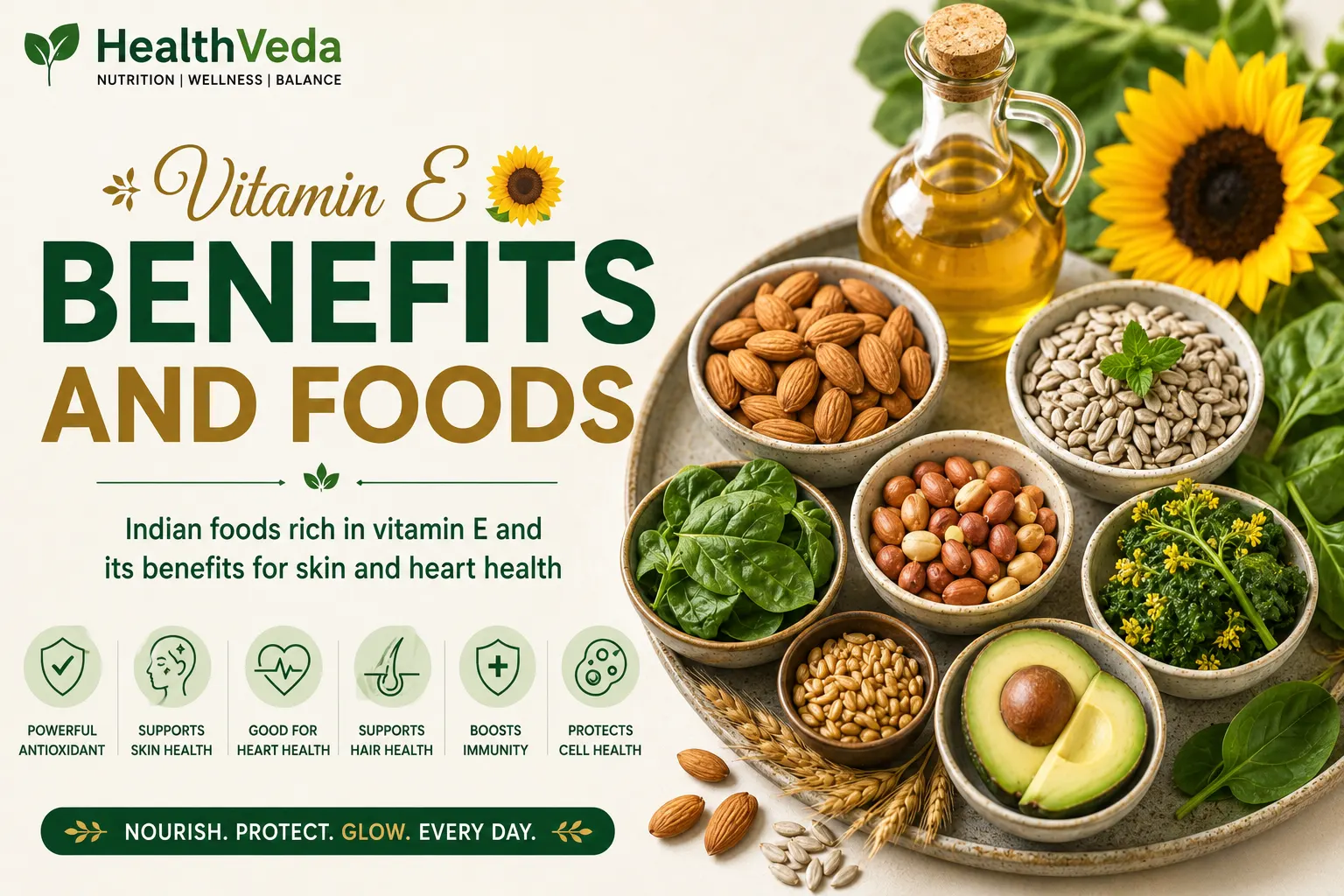
| Vitamin E | Antioxidant, UV protection | Almonds, sunflower seeds, mustard oil | 15mg |
| Beta-carotene | Skin tone, anti-aging | Carrot, pumpkin, papaya, sweet potato | 6–8mg |
| Zinc | Wound healing, acne control | Pumpkin seeds, chickpeas, egg | 8–11mg |
| Omega-3 | Skin barrier, anti-inflammatory | Flaxseeds, walnuts, fatty fish | 1–2g |
| Selenium | Antioxidant enzyme (GPx) | Brazil nuts (2/day), tuna, eggs | 55mcg |
| Biotin (B7) | Skin, hair, nail strength | Eggs (yolk), sweet potato, almonds | 30mcg |
| Lycopene | UV protection, anti-aging | Tomatoes (cooked), watermelon, guava | 10–15mg |
| Curcumin | Anti-inflammatory, brightening | Turmeric + black pepper | 500mg |
| Probiotics | Gut-skin axis, acne control | Dahi, kanji, idli/dosa batter | Daily |
✅ Top Indian Foods for Glowing Skin
1. Amla (Indian Gooseberry) — The Skin's Best Friend
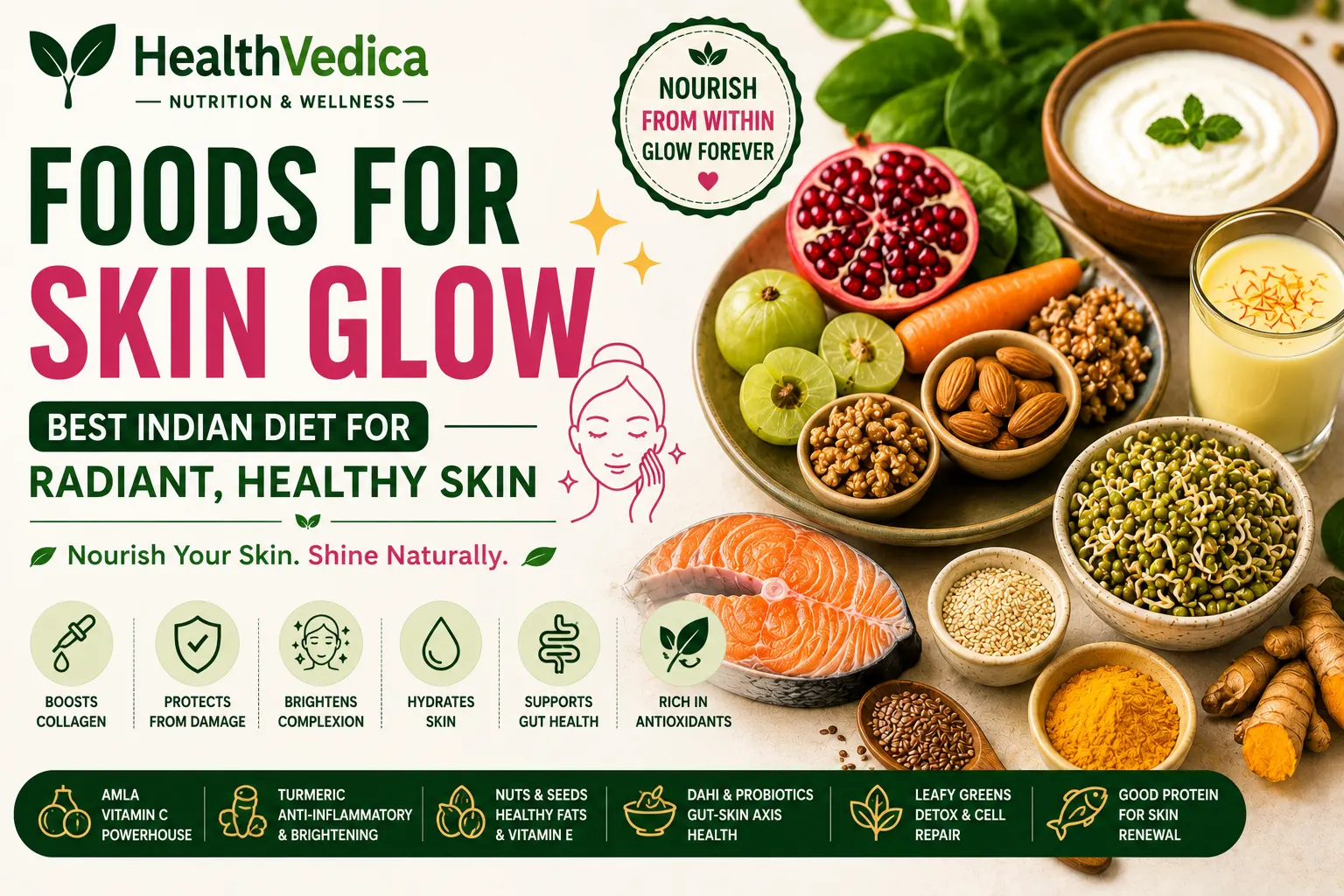
Amla is the undisputed champion of skin nutrition. Its vitamin C content (600mg/100g) is 20× that of oranges — and vitamin C is the rate-limiting nutrient for collagen synthesis. Without adequate vitamin C, collagen production halts, leading to sagging, wrinkles, and slow wound healing. Amla's emblicanins are among the most potent antioxidants known — protecting skin DNA from UV and pollution damage. Regular amla consumption visibly brightens complexion within 4–6 weeks by reducing melanin overproduction. Eat 1–2 fresh amla daily, or take as unsweetened amla juice.
2. Turmeric (Haldi) — India's Skin Brightener
Curcumin in turmeric inhibits tyrosinase — the enzyme responsible for melanin production — directly reducing hyperpigmentation and promoting even skin tone. Its powerful anti-inflammatory action reduces acne-causing inflammatory cascades. Multiple clinical studies confirm topical and oral curcumin improves psoriasis, eczema, acne, and photoaged skin. The traditional Indian practice of applying haldi paste before marriage (haldi ceremony) has genuine skin-brightening science. Daily internal use: ½ tsp turmeric with black pepper in cooking or warm milk.
3. Tomatoes (Cooked)
Cooking tomatoes increases lycopene bioavailability by 3–5×. Lycopene is the most potent dietary UV-protective antioxidant — regular high lycopene intake measurably reduces UV-induced skin redness and DNA damage. Lycopene also inhibits matrix metalloproteinases (enzymes that break down collagen), reducing wrinkle formation. The Indian habit of cooking tomatoes in curry, sambhar, and sabzi with oil perfectly maximises lycopene absorption (fat-soluble).
4. Almonds (Badam)
A handful of almonds provides vitamin E (7.3mg — nearly half the daily requirement), biotin, zinc, and healthy fats — all critical for skin health. Vitamin E works synergistically with vitamin C: vitamin C regenerates vitamin E after it neutralises free radicals, creating a continuous antioxidant cycle. The traditional Indian practice of eating soaked almonds daily is one of the most evidence-based skin nutrition habits. Soaking increases bioavailability by reducing phytic acid.
5. Dahi (Curd) — Gut-Skin Connection
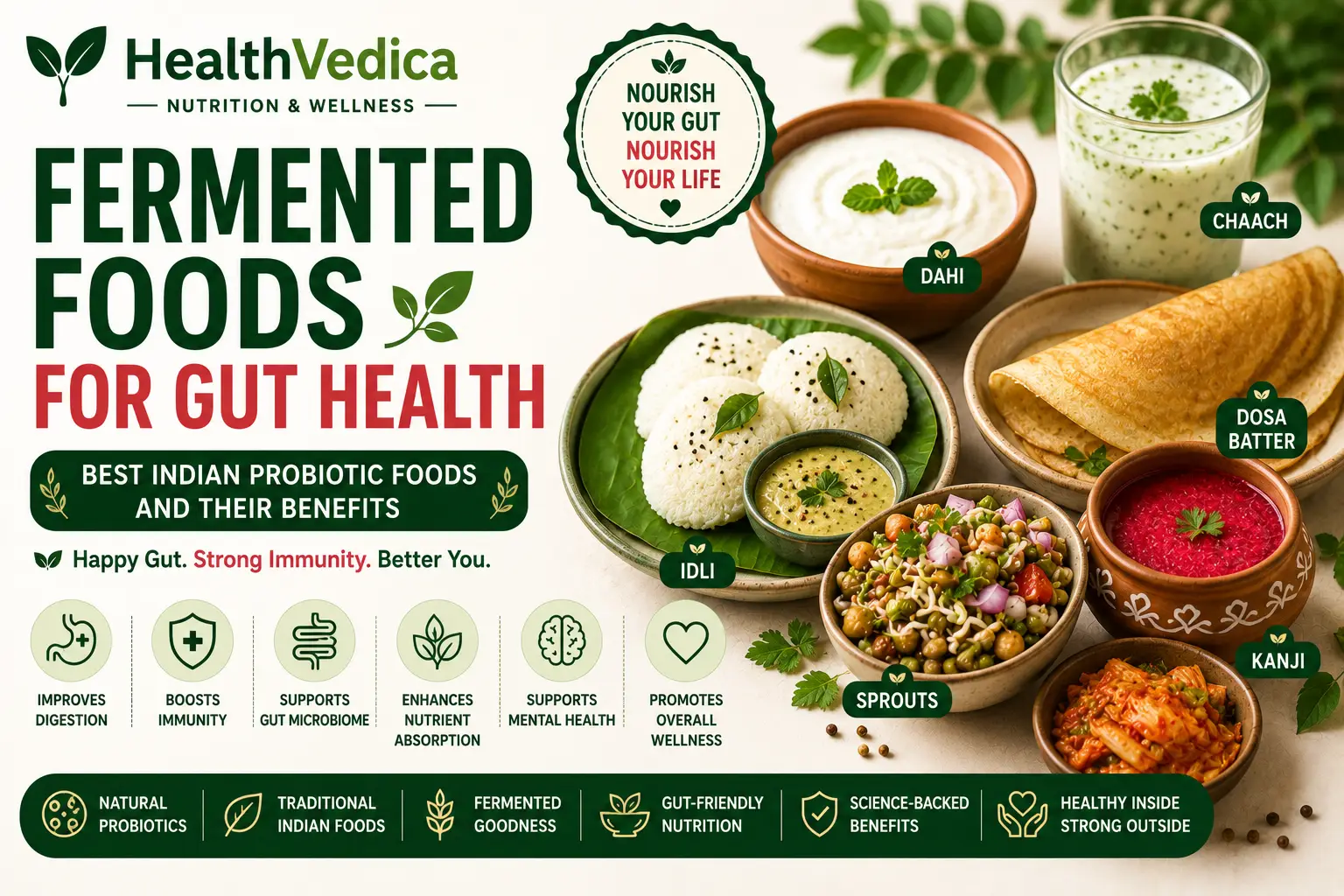
Dahi provides Lactobacillus acidophilus and other beneficial probiotics that directly improve skin health through the gut-skin axis. Studies show probiotic supplementation significantly reduces acne severity, improves skin hydration, and reduces eczema symptoms. Dahi also provides lactic acid (gently exfoliating when applied topically) and zinc. Eating a bowl of dahi daily — a cornerstone of Indian diet — is skin medicine.
6. Carrots and Orange Vegetables
Beta-carotene in carrots and pumpkin converts to vitamin A in the body — the vitamin critical for skin cell turnover, preventing clogged pores, and maintaining skin barrier function. Beta-carotene accumulates in skin tissue and imparts a subtle warmth and glow to complexion (carotenoid-based skin colour is judged more attractive than sun-tanned skin in multiple studies). Eat carrots, pumpkin, and sweet potato regularly — cook with a small amount of oil to enhance beta-carotene absorption.
7. Flaxseeds (Alsi)
Ground flaxseeds provide ALA omega-3 that reduces skin inflammation, improves skin barrier function, and maintains skin hydration. Studies show omega-3 supplementation significantly improves skin roughness, scaling, and transepidermal water loss within 12 weeks. For inflammatory skin conditions (acne, eczema, psoriasis), omega-3 is among the most evidence-based dietary interventions. 1 tablespoon ground flaxseeds daily is simple, affordable, and effective.
8. Saffron (Kesar)
Saffron contains crocin and safranal — compounds with proven skin-brightening, anti-melanogenic, and antioxidant properties. Clinical studies show saffron supplementation improves skin tone, reduces dark spots, and enhances overall complexion radiance. Traditional Indian use of saffron in milk (kesar doodh) as a beauty tonic has a modern scientific basis. Even small amounts (30mg daily) show measurable skin benefits.
🌿 Ayurvedic Approach to Skin Glow (Twak Prasad)
Ayurveda views radiant skin (Twak Prasad) as the external expression of internal health — particularly the quality of Rasa (plasma) and Rakta (blood) dhatus, and the absence of Ama (metabolic toxins). The Ayurvedic skin nutrition protocol:
Kumkumadi Tailam (internal equivalent): Saffron, manjistha, and sandalwood taken internally in milk or ghee support Rakta (blood) quality and impart natural luminosity to skin.
Manjistha (Rubia cordifolia): Ayurveda's premier blood-purifying herb. Used for hyperpigmentation, acne, uneven skin tone, and inflammatory skin conditions. Modern research confirms anti-inflammatory, anti-melanogenic, and antioxidant properties. Available as powder or capsules.
Ghee for skin from within: Small daily amounts of desi ghee (1–2 tsp) nourish skin through fat-soluble vitamins (A, D, E, K), butyrate (gut health → gut-skin axis), and CLA. Ayurveda prescribes ghee as the primary internal skin lubricant.
🚫 Foods That Dull Your Skin
High-GI foods (sugar, maida, white rice in excess): Glycation — sugar binding to collagen — is a major driver of premature skin aging, sagging, and dullness. High-sugar diets also spike insulin, increasing androgen hormones that trigger acne. Reducing sugar is among the most impactful dietary changes for acne-prone and aging skin.
Dairy (for acne-prone individuals): Some people — particularly those prone to hormonal acne — find that excess dairy (especially skimmed milk) worsens acne through IGF-1 (insulin-like growth factor) stimulation. If acne worsens with dairy, trial 4–6 weeks of dairy elimination. Fermented dairy (dahi) is generally better tolerated than fresh milk.
Refined oils high in omega-6: Excessive omega-6 from refined sunflower and soybean oil promotes inflammatory skin conditions. Switch to mustard oil, groundnut oil, or ghee.
💡 Daily Skin Glow Nutrition Protocol
Morning: 2 glasses warm water with lemon (hydration + vitamin C) | 5 soaked almonds + 2 walnuts | 1–2 fresh amla or amla juice
Breakfast: Include carrot or pumpkin (beta-carotene) | 1 tbsp ground flaxseeds in porridge or smoothie | Dahi (probiotic)
Lunch: Tomato-based curry (cooked in oil — lycopene absorption) | Turmeric in dal (anti-inflammatory) | Colourful sabzi with diverse vegetables
Evening: Green tea (antioxidant) + soaked almonds
Dinner: Include leafy greens (vitamin K, folate) | Small portion of paneer or fish (protein for collagen synthesis)
Bedtime: Kesar doodh — warm milk + saffron (2–3 strands) + turmeric + cardamom — the classic Indian skin beauty drink