Health Conditions

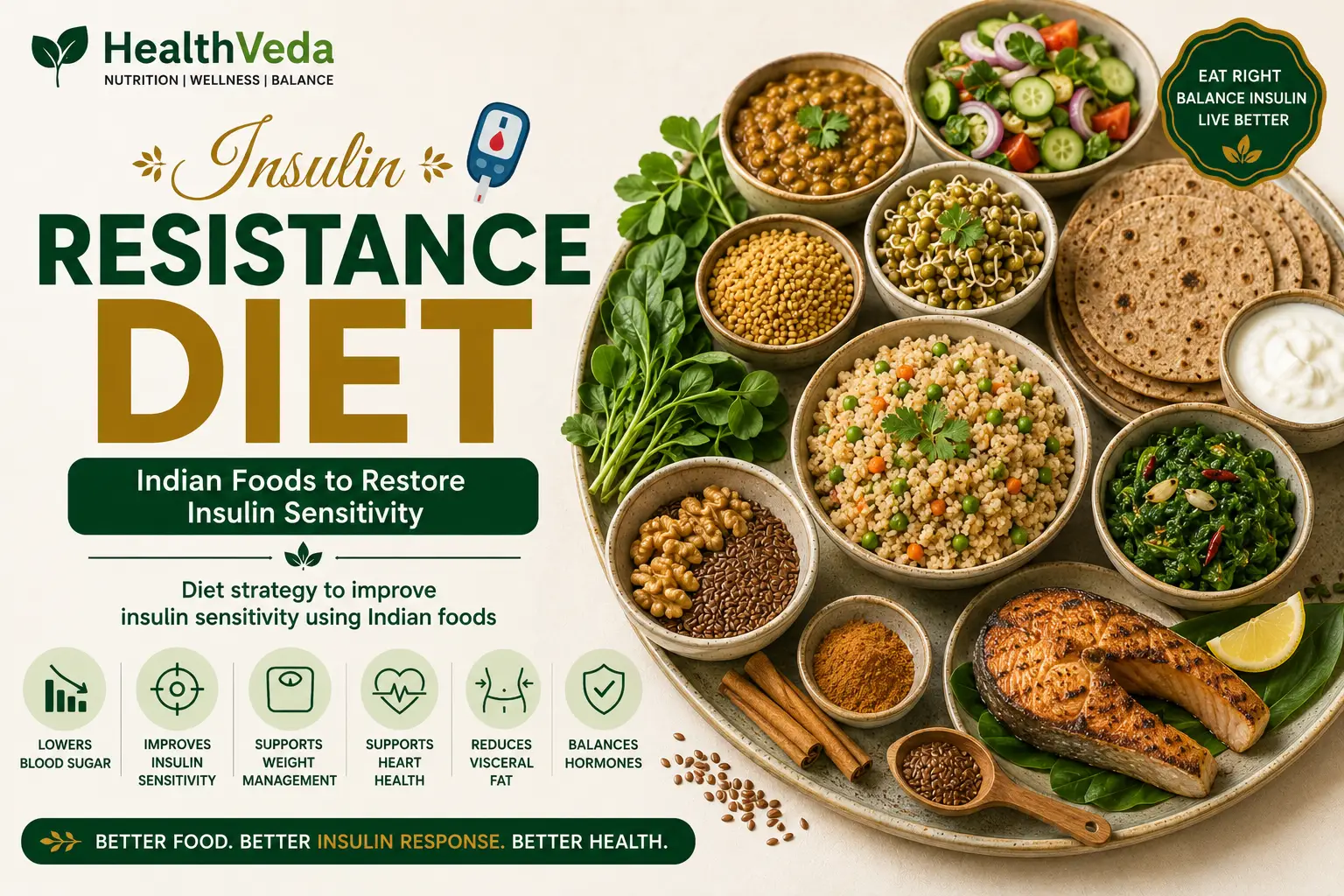
Insulin Resistance Diet πŸ’‰: Indian Foods to Restore Insulin Sensitivity

Last updated:
Insulin Resistance Diet β€” Nutrition, Health Benefits & Remedies
Insulin Resistance Diet India: Foods That Improve Sensitivity | Health Vedica
⚠️ Medical Disclaimer: This content is for informational purposes only and does not constitute medical advice. Always consult a qualified healthcare professional for diagnosis and treatment.

πŸ’‰ Understanding Insulin Resistance Before Fixing It

Insulin resistance occurs when cells β€” particularly in muscle, fat, and liver tissue β€” become less responsive to insulin's signal to absorb glucose from the bloodstream. The pancreas compensates by producing more insulin, and this elevated insulin state itself drives further metabolic disruption, including weight gain (particularly around the abdomen), difficulty losing weight, and in women, conditions like PCOS where insulin resistance plays a central role. Insulin resistance often precedes prediabetes and type 2 diabetes by years, making it an important early intervention point.

India has a notably high prevalence of insulin resistance even among individuals who are not overweight by Western standards β€” a phenomenon partly attributed to genetic predisposition toward higher visceral fat storage and historically rapid dietary shifts toward refined carbohydrates within a generation or two.

πŸ”¬ The Dietary Mechanisms That Matter Most

Reducing insulin demand: The core strategy for improving insulin sensitivity is reducing the frequency and magnitude of insulin spikes, primarily driven by refined carbohydrate and sugar intake. Each spike requires the already-resistant cells to work harder, and reducing this burden gives the system room to recover sensitivity over time.

Protein and fibre at every meal: Combining carbohydrates with adequate protein and fibre β€” the traditional dal-sabzi-roti combination β€” produces a substantially gentler insulin response than carbohydrate eaten in isolation.

Omega-3 fats support cell membrane function: Insulin receptors sit within cell membranes, and membrane composition affects how well these receptors function. Omega-3 fatty acids are associated with improved insulin receptor sensitivity compared to diets dominated by omega-6-heavy refined oils.

Visceral fat reduction: Fat stored around abdominal organs (visceral fat) is metabolically active and directly contributes to insulin resistance through inflammatory signalling. Dietary patterns that reduce visceral fat β€” lower refined carbohydrate, adequate protein, regular physical activity β€” directly improve insulin sensitivity.

πŸ“Š Best Foods for Insulin Resistance

FoodMechanismHow to Include
Millets (ragi, jowar, bajra)Low-medium GI, high fibre vs refined grainsReplace white rice/maida regularly
LegumesHigh fibre and protein blunt glucose responseDaily dal, rotate varieties
Fenugreek (methi) seedsStudied compounds improve insulin sensitivitySoaked overnight, or in cooking
Fatty fishOmega-3 supports cell membrane insulin signalling2-3 times weekly
Walnuts, flaxseedsPlant omega-3 for vegetariansDaily small portion
Leafy greensHigh fibre, low glycaemic load, magnesiumDaily sabzi
Apple cider vinegarSome evidence for modest post-meal glucose reductionDiluted, before meals, with caution
CinnamonModest insulin-sensitising effect in studiesDaily cooking spice, tea

🚫 What Worsens Insulin Resistance

Sugary beverages and refined carbohydrates eaten frequently throughout the day keep insulin chronically elevated, preventing the receptor downtime needed for sensitivity to recover. Trans fats and excessive refined vegetable oil intake contribute to the inflammatory state that worsens insulin signalling. Chronic under-sleeping and high stress also elevate cortisol, which independently worsens insulin resistance regardless of diet β€” making sleep and stress management genuine companions to dietary change rather than separate, unrelated factors.

🍽️ Practical Approach

Meal structure: Build meals around protein and vegetables first, with a moderate, not large, portion of whole grain carbohydrate β€” millets and legumes should form the carbohydrate backbone rather than white rice or maida.

Spacing meals: Allowing 4-5 hours between meals without constant snacking gives insulin levels room to come down between eating episodes, rather than staying elevated throughout the day from frequent grazing.

Movement: Resistance exercise and regular walking directly improve insulin sensitivity independent of diet, by increasing the muscle's capacity to take up glucose without requiring as much insulin signalling.
❓ Frequently Asked Questions

Common questions about Insulin Resistance Diet

Yes, insulin resistance is one of the more diet-responsive metabolic conditions, and many individuals see meaningful improvement in insulin sensitivity within a few months of sustained dietary change, particularly reducing refined carbohydrates and added sugar while increasing fibre, protein, and physical activity. The degree of reversal varies by individual factors including genetics, duration of insulin resistance, and whether weight loss occurs, so working with a doctor to monitor markers like fasting insulin or HOMA-IR is valuable alongside dietary efforts.
They are closely related but not identical. Insulin resistance is the underlying mechanism where cells respond poorly to insulin, while prediabetes is a specific blood sugar measurement reflecting that this resistance has progressed enough to elevate blood glucose above normal but below diabetic levels. Insulin resistance can exist for years before blood sugar markers move into the prediabetes range, which is why some people have significant insulin resistance with still-normal blood sugar readings on standard tests.
Insulin resistance is present in a large majority of women with PCOS (polycystic ovary syndrome) and is considered a central driver of the condition's hormonal disruption, since elevated insulin levels stimulate the ovaries to produce excess androgens, worsening PCOS symptoms. This is why dietary strategies targeting insulin resistance β€” reducing refined carbohydrates, increasing fibre and protein β€” are frequently recommended as a foundational approach for managing PCOS symptoms, alongside any medical treatment a doctor recommends.
Structured approaches like allowing adequate time between meals (4-5 hours) without constant snacking can help by reducing the frequency of insulin spikes throughout the day. However, this is different from skipping meals erratically or under-eating, which can backfire by causing overeating later and disrupting blood sugar stability. A consistent, structured eating pattern tends to work better for insulin sensitivity than irregular meal skipping.
Fenugreek (methi) seeds have the most substantial body of research among Indian spices specifically related to insulin sensitivity, with several studies showing modest improvements in fasting blood sugar and insulin response when methi seeds are consumed regularly, often soaked overnight and eaten on an empty stomach. Cinnamon also has supportive research, though generally with a smaller effect size than methi in most studies.
Related Blogs
High-Protein Vegetarian Foods for Muscle Building Nutrition
High-Protein Vegetarian Foods for Muscle Building
πŸƒ IntroductionIndia is a predominantly vegetarian nation β€” with 30–40% of the population eating no...
Read More
Teen Nutrition India Pregnancy & Family
Teen Nutrition India
πŸ§‘β€πŸŽ“ Why Teen Nutrition MattersAdolescence is one of the fastest growth periods in life. During the...
Read More
Copper Rich Foods India Vitamins & Minerals
Copper Rich Foods India
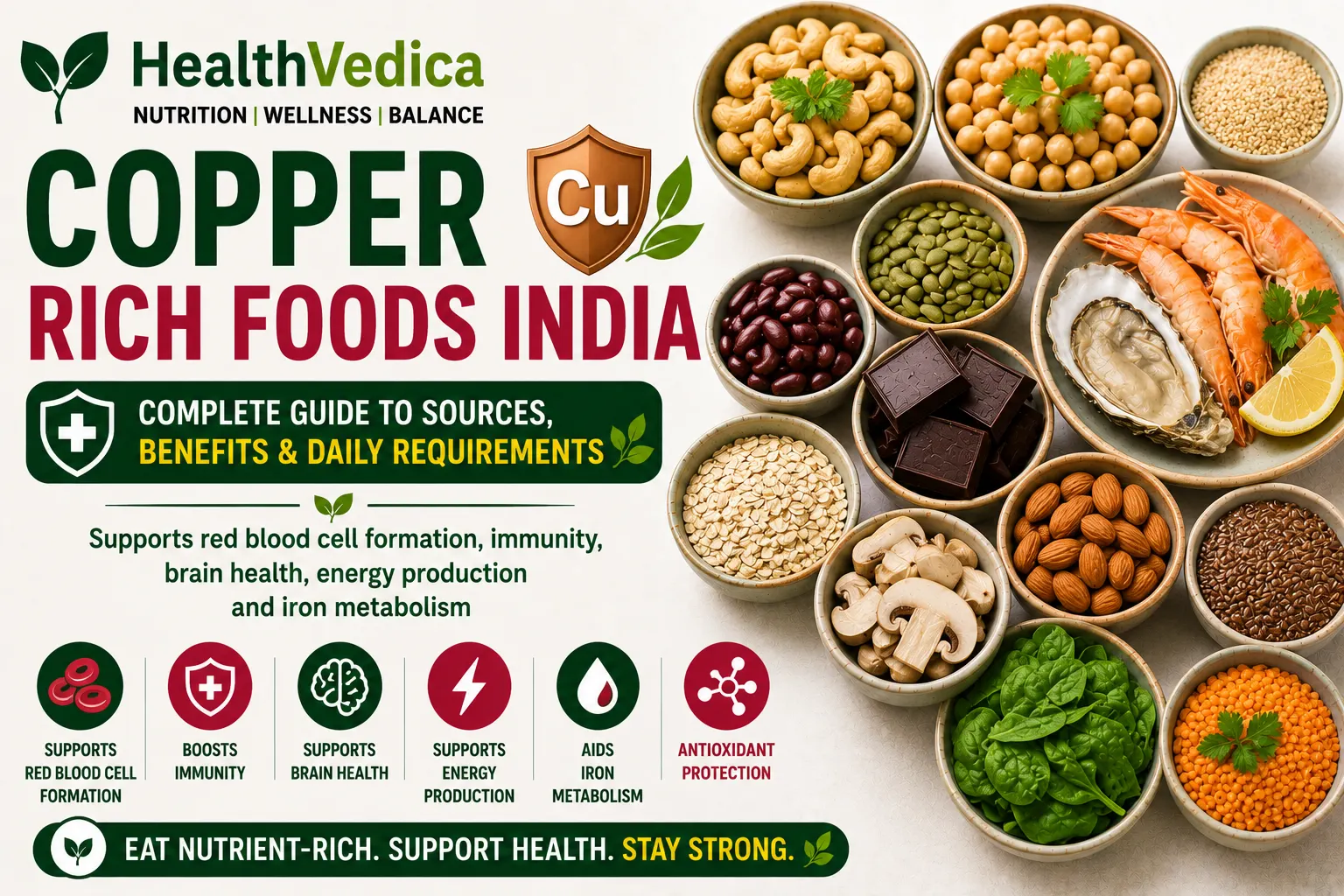
🧬 What Is Copper?Copper is an essential trace mineral required for many important functions in the...
Read More
Best Navratri Vrat Foods Recipes
Best Navratri Vrat Foods
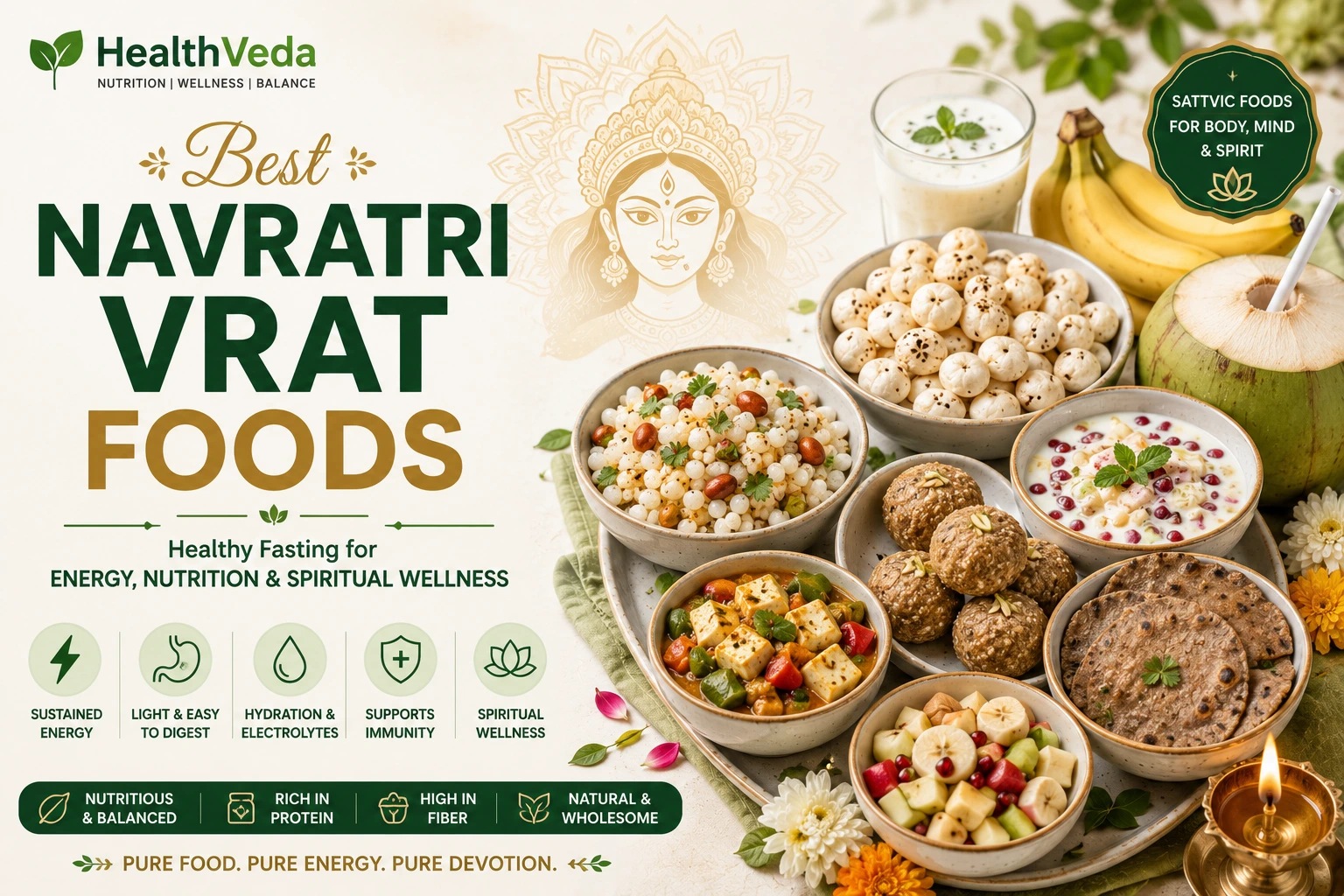
πŸ™ Navratri Fasting: More Than a Religious TraditionNavratri is one of India's most celebrated festi...
Read More
Best Foods for Strong Teeth & Gum Health Health Conditions
Best Foods for Strong Teeth & Gum Health
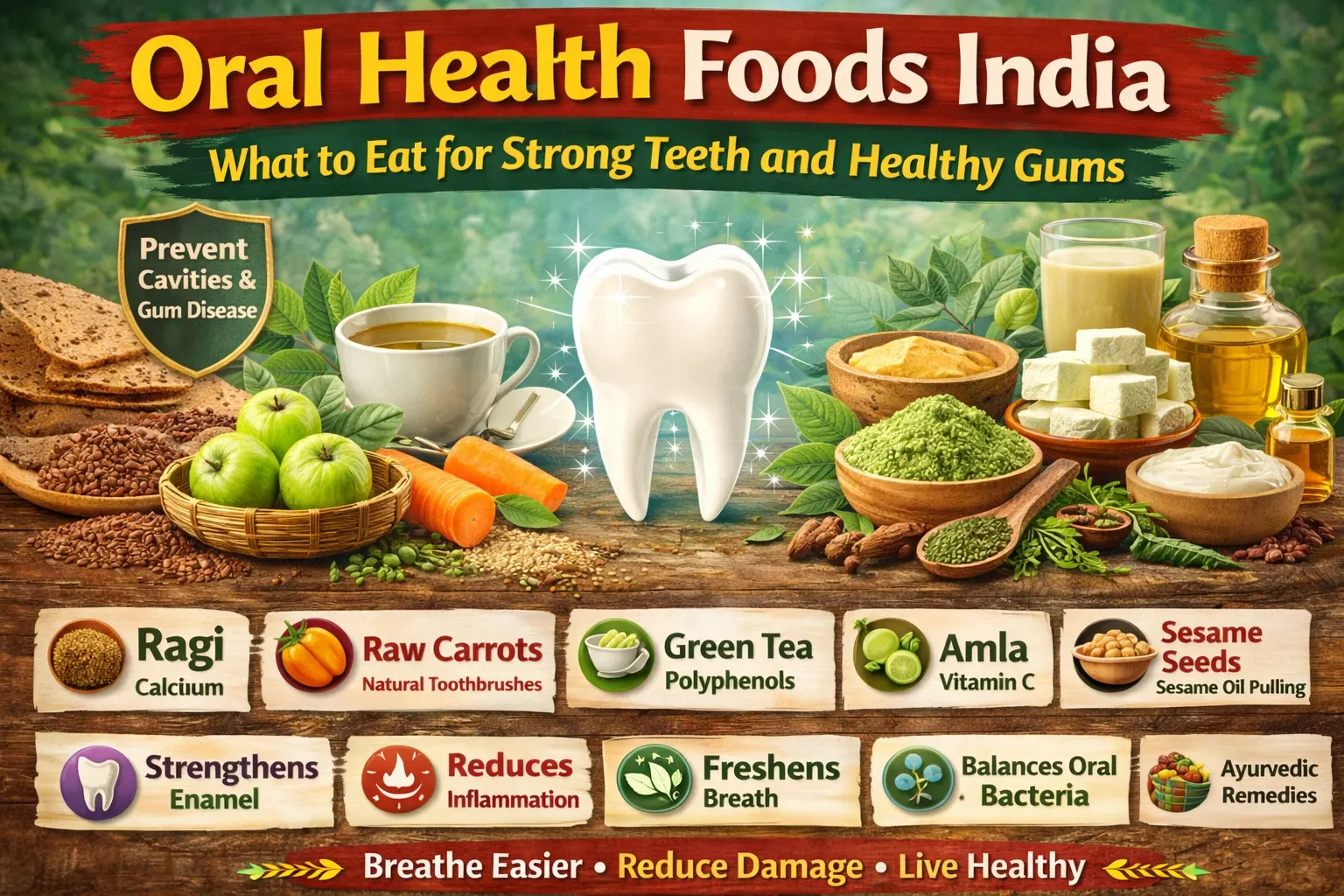
🦷 India's Oral Health CrisisOral diseases affect nearly 95% of Indian adults, according to the Indi...
Read More
Insulin Resistance Diet Health Conditions
Insulin Resistance Diet
πŸ’‰ Understanding Insulin Resistance Before Fixing ItInsulin resistance occurs when cells β€” particula...
Read More
Almonds vs Walnuts Comparison Food Comparisions
Almonds vs Walnuts Comparison
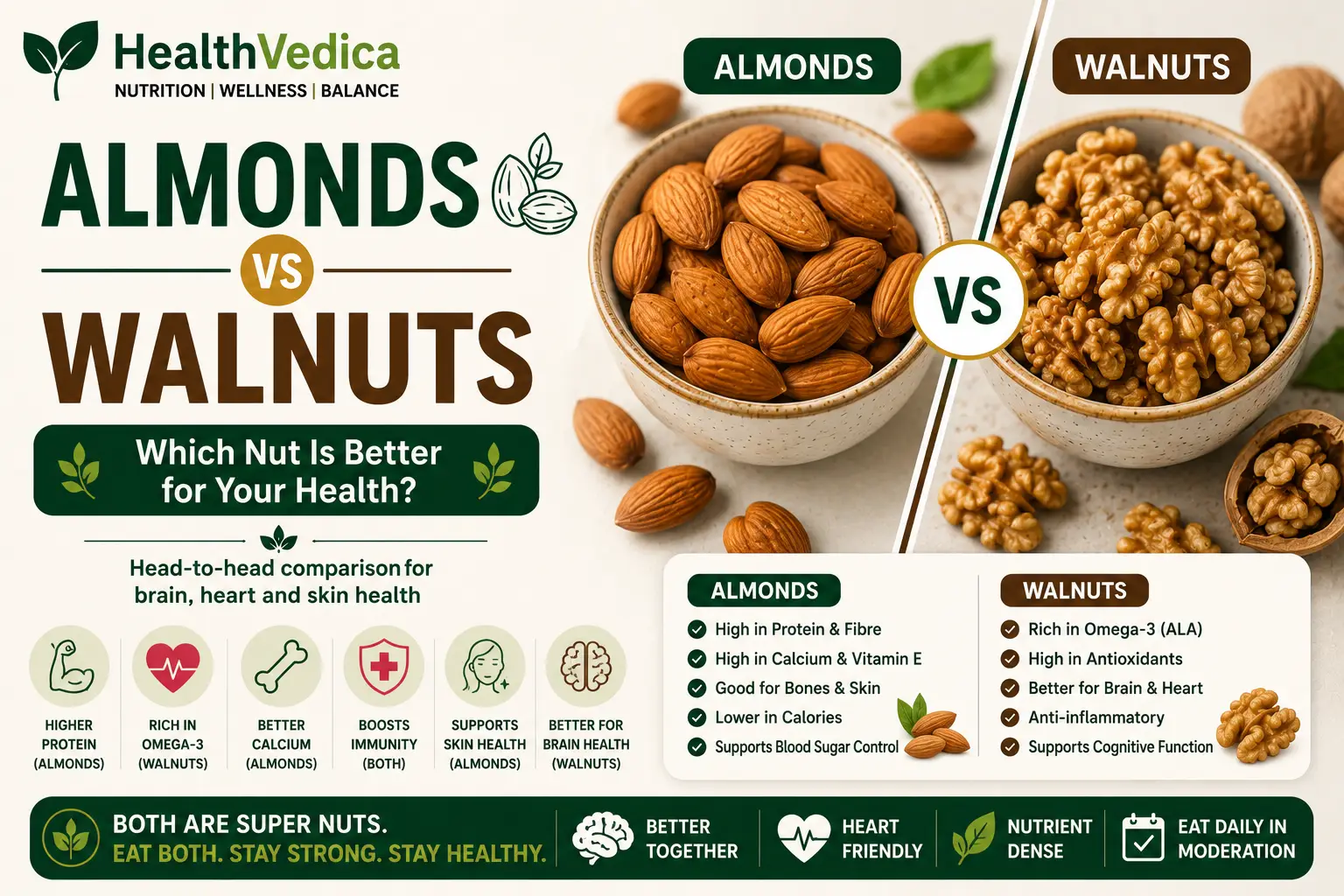
🌰 Protein and Calcium vs Omega-3 and Brain HealthAlmonds (badam) and walnuts (akhrot) are the two m...
Read More
High Fiber Foods India Nutrition
High Fiber Foods India
🌾 The Nutrient Most Indians Quietly Fall Short OnDietary fibre is one of the most consistently unde...
Read More
Best Diet for High Blood Pressure in India Health Conditions
Best Diet for High Blood Pressure in India
πŸ’Š India's Hypertension EpidemicHypertension (high blood pressure) is India's most prevalent chronic...
Read More
HealthVedica Editorial Team

HealthVedica Editorial Team

Written by Raviteja

Our content is AI-assisted and editorially reviewed to ensure accuracy against Ayurvedic guidelines and Indian health research. Learn more β†’