🌿 Introduction
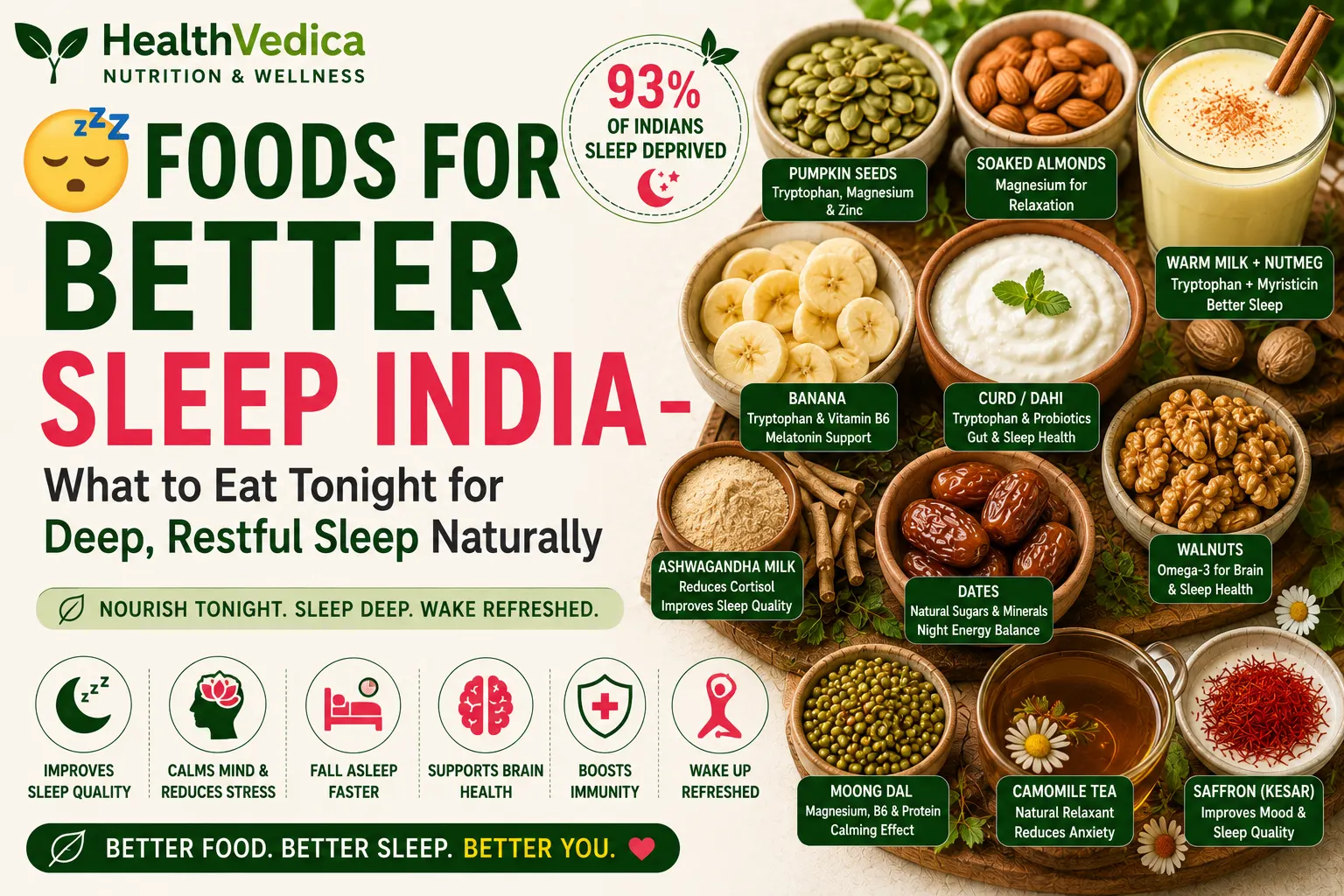
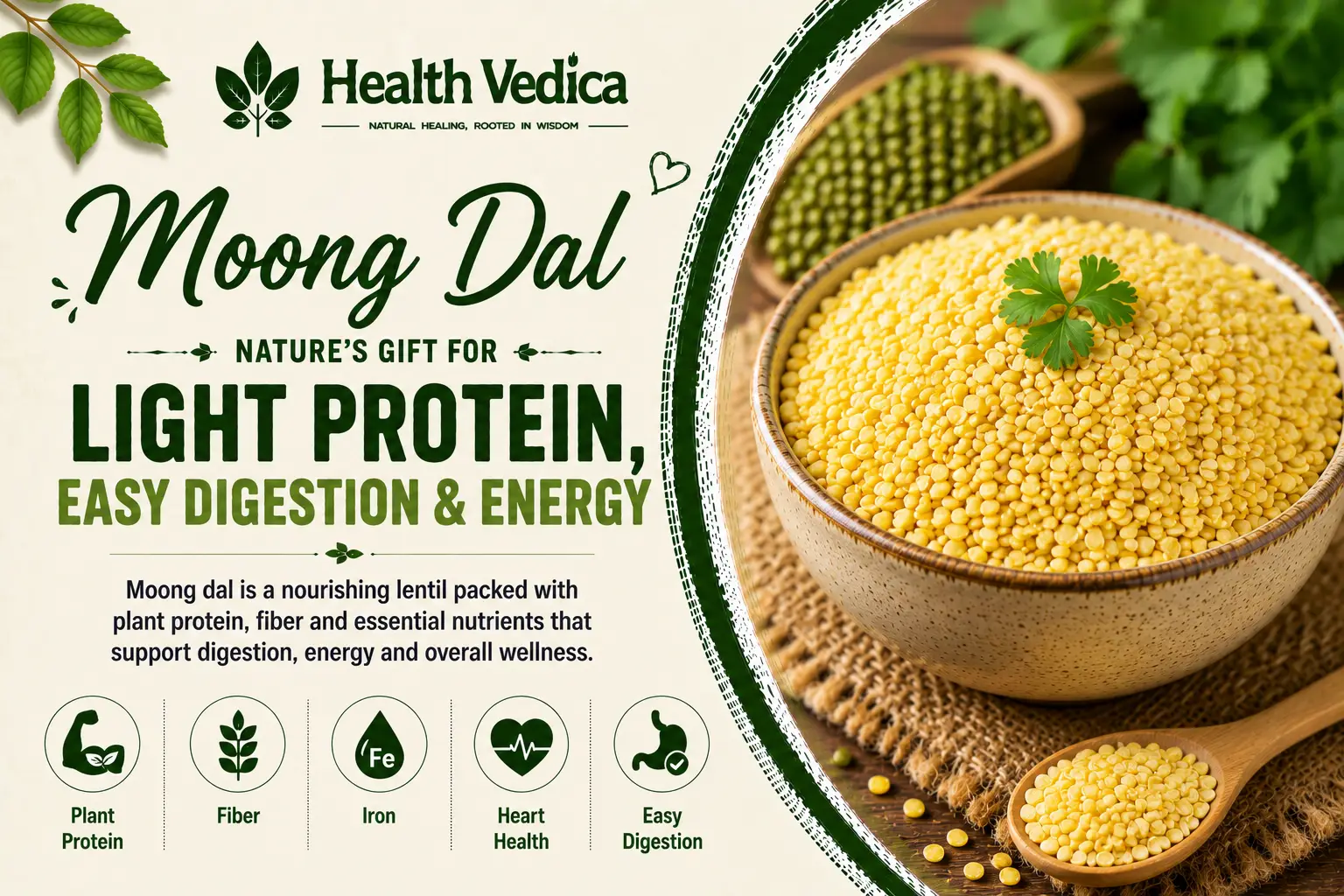
Moong Dal, made from split green gram (Vigna radiata), is widely regarded as the gentlest, most digestible, and most therapeutic of all Indian dals. It holds a supreme place in Ayurvedic medicine — recommended during illness, recovery, detox programs, and for all age groups from infants to the elderly. It is a treasure of nutrition offering plant protein, B vitamins, folate, iron, potassium, and powerful antioxidants, while being among the easiest dals to digest.
📊 Nutritional Value Per 100g (Cooked Moong Dal)
| Nutrient | Amount | % Daily Value |
|---|---|---|
| Calories | 105 kcal | 5% |
| Protein | 7.1 g | 14% |
| Carbohydrates | 19.2 g | 6% |
| Fat | 0.4 g | 1% |
| Fiber | 7.6 g | 27% |
| Folate | 159 mcg | 40% |
| Iron | 1.4 mg | 8% |
| Potassium | 369 mg | 11% |
| Magnesium | 48 mg | 11% |
| Phosphorus | 99 mg | 10% |
| Zinc | 0.84 mg | 8% |
| Thiamine (B1) | 0.06 mg | 5% |
| Vitexin & Isovitexin | Present | — |
📉 Glycemic Index
Moong dal has a very low glycemic index of around 25–31, one of the lowest among all dals. Its high fiber and protein content ensures minimal blood sugar impact, making it the most recommended dal for people with diabetes and those managing metabolic syndrome.
🕉️ Ayurvedic Properties & Dosha Effect
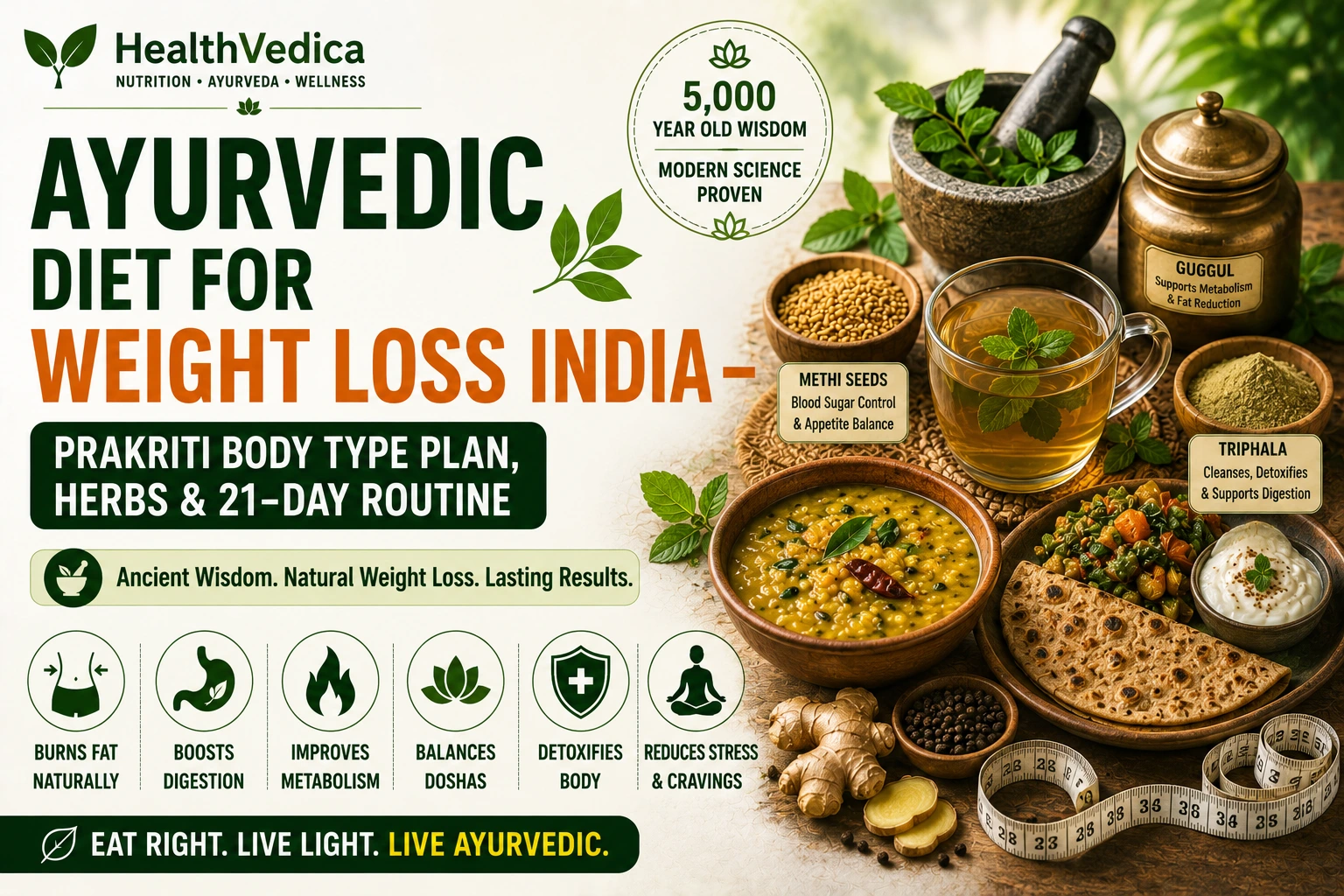
In Ayurveda, Moong Dal (Mudga) is described as the king of dals (Dala Raja). It is Laghu (lightest to digest), Sheeta (cooling), and Madhura (sweet). It is the only dal considered Tridosha balancing — beneficial for all three doshas. It kindles Agni without overburdening the digestive system, making it perfect for those with weak digestion. Yellow split moong dal is specifically recommended during Panchakarma detox as the central food (used in Kitchari). It is prescribed for fevers, liver disorders, digestive weakness, postpartum recovery, and as the first food for infants transitioning to solids.
💚 Health & Healing Benefits
Moong dal's greatest advantage is its exceptional digestibility — it contains the least amount of oligosaccharides (gas-causing compounds) among all dals and can be easily tolerated by sensitive stomachs, infants, elderly, and the sick. Its protein (7.1g/100g cooked) supports tissue repair and immune function. Folate content (40% DV) is critical for cell division, DNA repair, and pregnancy nutrition. The unique flavonoids vitexin and isovitexin in moong dal have demonstrated anti-diabetic, anti-inflammatory, and anti-cancer properties in research. Moong sprouts are even more nutritious than cooked dal — sprouting increases Vitamin C significantly, neutralizes anti-nutrients, and enhances enzyme availability. The high fiber supports a healthy microbiome and regular bowel function. Moong dal soup is one of the best post-illness recovery foods as it is easy on the stomach while providing adequate protein and minerals.
🍛 Indian Dietary Uses
Moong dal is prepared as simple dal, kitchari (with rice), moong dal halwa, moong dal chilla (pancake), dal soup, and as moong sprouts in salads and stir-fries. Moong dal is the first dal traditionally introduced to Indian babies and is universally consumed across all Indian states.