pulses-legumes

Toor Dal (Pigeon Peas) Nutrition, Protein, Digestive & Immunity Benefits

Last updated:
🌿 Protein Support
Toor Dal (Pigeon Peas) β€” Nutrition, Health Benefits & Remedies
Toor Dal (Arhar / Pigeon Peas) Nutrition, Protein & Digestive Benefits
⚠️ Medical Disclaimer: This content is for informational purposes only and does not constitute medical advice. Always consult a qualified healthcare professional for diagnosis and treatment.

🌿 Introduction

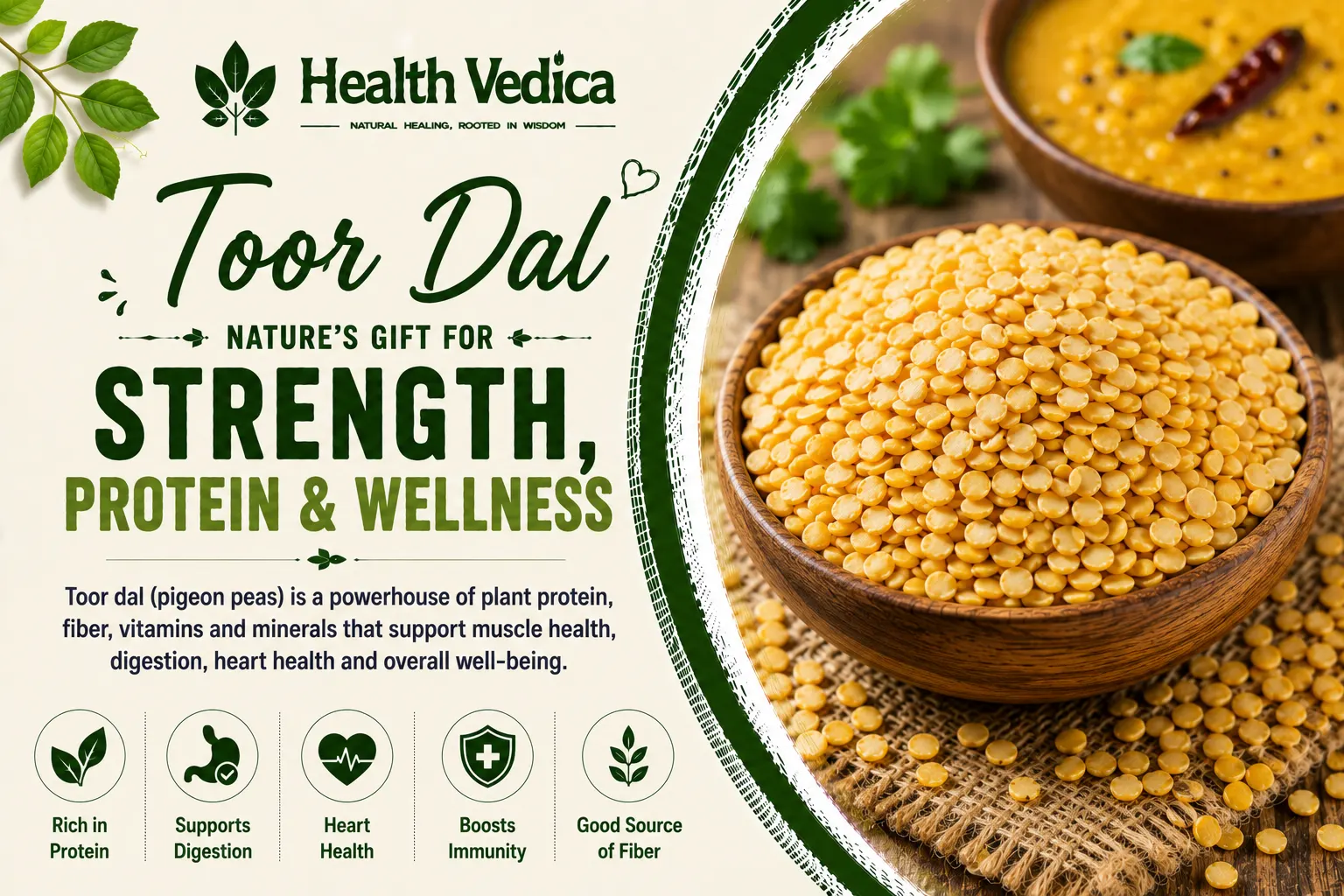
Toor Dal, also known as Arhar Dal or Split Pigeon Peas, is arguably the most consumed dal in India. It is the defining ingredient of South India's beloved Sambar and the everyday dal of millions of Indian households across all regions. Toor dal is a nutritional powerhouse offering plant protein, complex carbohydrates, B vitamins, iron, and dietary fiber β€” making it one of the most complete plant-based foods in the Indian diet.

πŸ“Š Nutritional Value Per 100g (Cooked)

NutrientAmount% Daily Value
Calories116 kcal6%
Protein6.8 g14%
Carbohydrates21 g7%
Fat0.4 g1%
Fiber5.7 g20%
Folate111 mcg28%
Iron1.1 mg6%
Magnesium46 mg11%
Potassium400 mg11%
Phosphorus156 mg16%
Zinc0.96 mg9%
Thiamine (B1)0.2 mg17%
Calcium43 mg4%

πŸ“‰ Glycemic Index

Toor dal has a low glycemic index of around 29, making it diabetes-friendly and ideal for blood sugar management. Its significant fiber and protein content ensures slow glucose release and sustained energy. Including toor dal regularly in meals is associated with better long-term blood sugar control in Indian studies.

πŸ•‰οΈ Ayurvedic Properties & Dosha Effect

In Ayurveda, Toor Dal is considered Laghu (light), Ruksha (dry), and Madhura-Kashaya (sweet-astringent) in taste. It balances Pitta and Kapha doshas. It is considered an easily digestible, nutritive dal that builds body tissues (Dhatu Poshak). Toor dal with ghee, turmeric, and cumin (standard Indian tadka) is considered one of the most Sattvic and complete vegetarian meals in Ayurvedic nutrition. It supports Agni and is recommended for people recovering from illness.

πŸ’š Health & Healing Benefits

Toor dal's high folate content (28% DV per 100g cooked) makes it critical for pregnant women and those planning conception, as folate prevents neural tube defects. Its protein content (6.8g per 100g) combined with rice or roti creates a complete amino acid profile that supports muscle maintenance and repair. The magnesium in toor dal (11% DV) supports hundreds of enzymatic functions including energy metabolism, nerve function, and insulin signaling. Potassium helps regulate blood pressure and fluid balance. The fiber content supports gut health, regular bowel movement, and lowers cholesterol. Toor dal's antioxidant polyphenols help combat oxidative stress and inflammation. As a naturally low-fat, high-nutrition food, toor dal supports weight management while providing essential satiety.

πŸ› Indian Dietary Uses

Toor dal is used in the iconic South Indian Sambar, everyday Tadka Dal, Dal Fry, Dal Khichdi, and Dal Dhokli (Gujarati). It is the foundation of the Indian thali across most states and is eaten at least once daily in millions of households.
❓ Frequently Asked Questions

Common questions about Toor Dal (Pigeon Peas)

Toor dal is one of the most nutritious and digestible dals, high in protein, folate, magnesium, and fiber. Combined with rice or roti, it forms one of the most complete plant-based meals in Indian cuisine.
Yes, toor dal is excellent during pregnancy due to its high folate content (28% DV per 100g cooked), which is essential for fetal neural tube development and healthy cell division.
Yes, toor dal has a low GI of around 29 and is high in fiber and protein, making it diabetes-friendly. It provides slow-release energy and helps stabilize blood sugar levels.
Toor dal (pigeon peas) has more protein and fiber but takes longer to cook and can cause some gas. Moong dal (mung beans) is lighter, more easily digestible, and lower in anti-nutrients, making it preferred for sick or elderly individuals.
Related Blogs
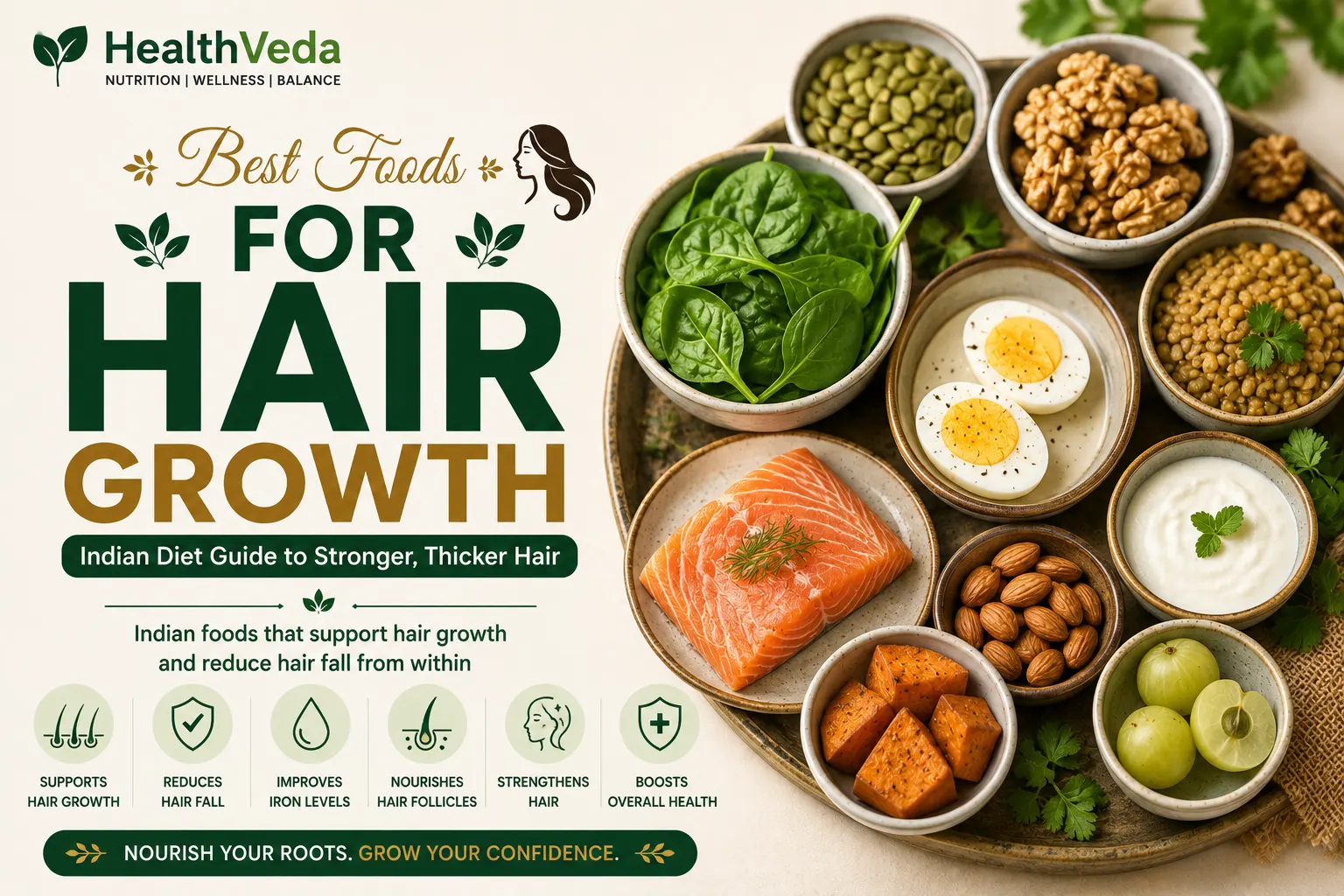
Best Foods for Hair Growth Health Conditions
Best Foods for Hair Growth
πŸ’‡ Hair Health Starts With Internal Nutrition, Not Just Hair OilHair follicles are among the most me...
Read More
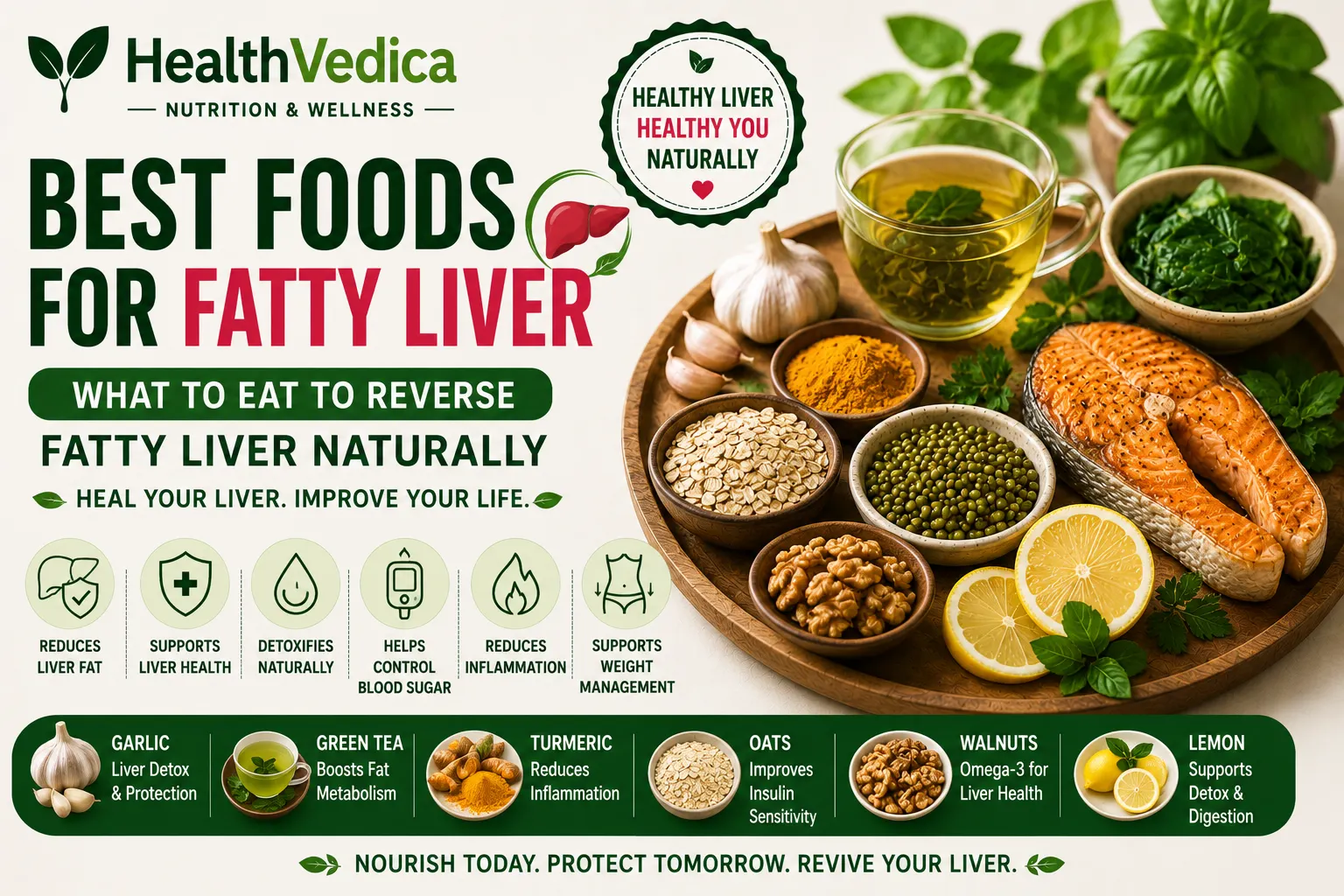
Best Foods for Fatty Liver Health Conditions
Best Foods for Fatty Liver
🫘 Fatty Liver Is Largely Reversible Through DietNon-alcoholic fatty liver disease (NAFLD), now incr...
Read More
Kidney Stone Diet India Health Conditions
Kidney Stone Diet India
🩺 What Are Kidney Stones?Kidney stones are hard mineral deposits that form inside the kidneys when...
Read More
Teen Nutrition India Pregnancy & Family
Teen Nutrition India
πŸ§‘β€πŸŽ“ Why Teen Nutrition MattersAdolescence is one of the fastest growth periods in life. During the...
Read More
Best Diet for High Blood Pressure in India Health Conditions
Best Diet for High Blood Pressure in India
πŸ’Š India's Hypertension EpidemicHypertension (high blood pressure) is India's most prevalent chronic...
Read More
Vitamin B12 Deficiency Vitamins & Minerals
Vitamin B12 Deficiency
🩺 India's Silent Epidemic: Why Vitamin B12 Deficiency Is So Common HereVitamin B12 (cobalamin) defi...
Read More
PCOS Diet Plan India Health Conditions
PCOS Diet Plan India
🌸 IntroductionPCOS (Polycystic Ovarian Syndrome) is the most searched women health topic in India i...
Read More
Vitamin C Rich Foods India Vitamins & Minerals
Vitamin C Rich Foods India
🍊 India's Best Vitamin C Sources Aren't Citrus FruitsWhen people think of vitamin C, oranges and le...
Read More
Healthy Foods for Pregnancy Pregnancy & Family
Healthy Foods for Pregnancy
🀰 IntroductionPregnancy is the most nutritionally demanding phase of a woman's life β€” every meal di...
Read More
HealthVedica Editorial Team

HealthVedica Editorial Team

Written by Raviteja

Our content is AI-assisted and editorially reviewed to ensure accuracy against Ayurvedic guidelines and Indian health research. Learn more β†’