🌿 Introduction
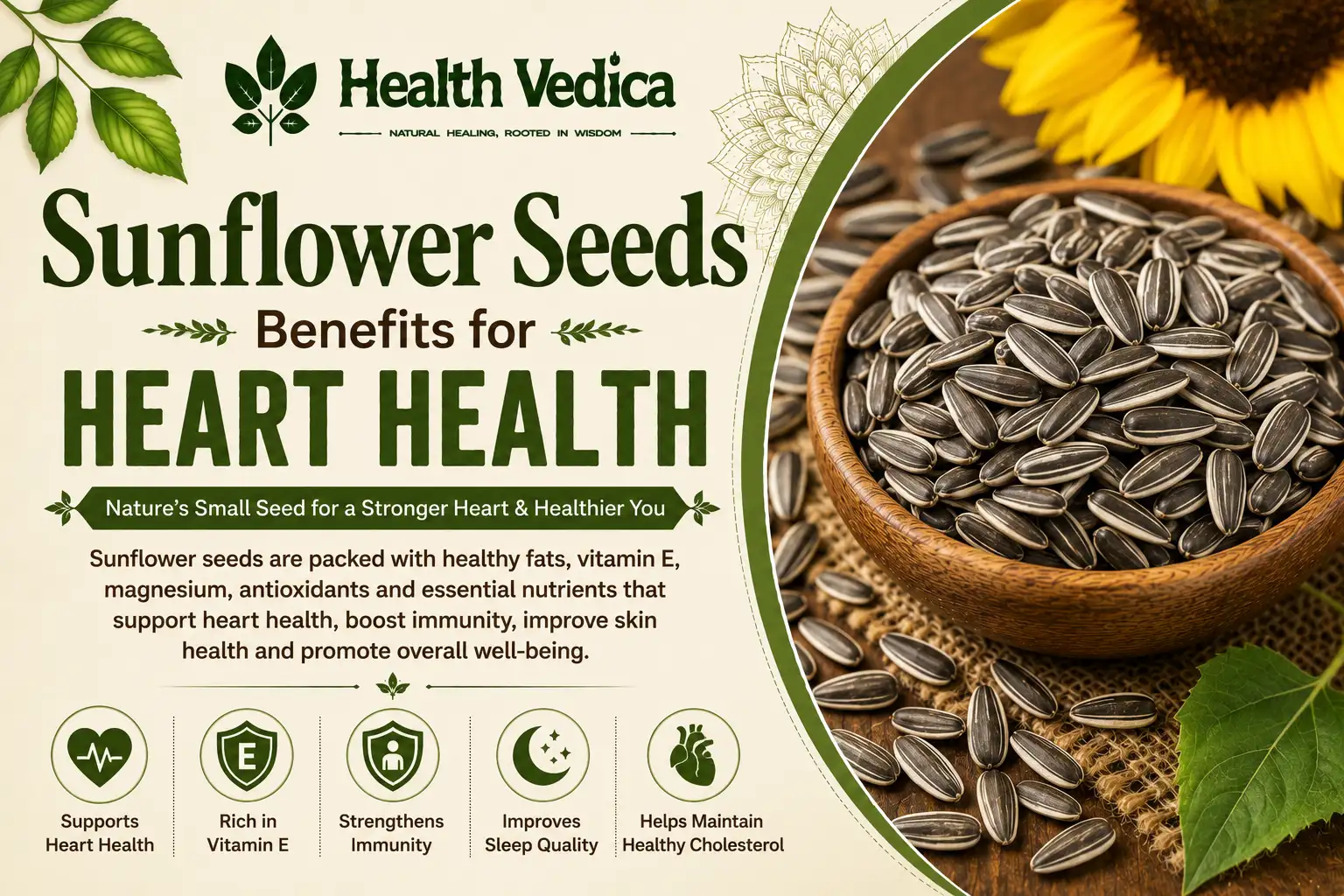
Sunflower seeds, known as Surajmukhi ke Beej in India, are the edible seeds of the sunflower plant (Helianthus annuus). These small, teardrop-shaped seeds pack an impressive array of nutrients — most notably Vitamin E, selenium, and B vitamins. Widely used in Indian snack mixes (chikkis), salad toppings, and pressed into sunflower oil — one of India's most popular cooking oils — sunflower seeds are a versatile, affordable, and highly nutritious addition to any diet.
📊 Nutritional Value Per 100g of Sunflower Seeds
| Nutrient | Amount | % Daily Value (DV) |
|---|---|---|
| Calories | 584 kcal | 29% |
| Protein | 20.8 g | 42% |
| Total Fat | 51.5 g | 66% |
| Linoleic Acid (Omega-6) | 23.1 g | — |
| Carbohydrates | 20.0 g | 7% |
| Dietary Fiber | 8.6 g | 31% |
| Vitamin E | 35.2 mg | 234% |
| Selenium | 53 mcg | 96% |
| Thiamine (B1) | 1.48 mg | 123% |
| Niacin (B3) | 8.33 mg | 52% |
| Folate | 227 mcg | 57% |
| Magnesium | 325 mg | 77% |
| Phosphorus | 660 mg | 94% |
| Copper | 1.83 mg | 203% |
| Zinc | 5.0 mg | 45% |
📉 Glycemic Index
Sunflower seeds have a very low glycemic index of 20–35. Their substantial fiber and fat content slows glucose release, supporting stable blood sugar levels throughout the day.
🕉️ Ayurvedic Properties & Dosha Effect
Sunflower seeds are Vata-pacifying with warming properties. They are Snigdha (unctuous), Guru (heavy), and Madhura (sweet) in nature. Sunflower seed oil is used in Panchakarma (Ayurvedic detox) treatments. Sunflower seeds support Twak (skin), Asthi (bone), and Majja (nervous) dhatus. Excess consumption in warm climates may mildly aggravate Pitta.
💚 Health & Healing Benefits
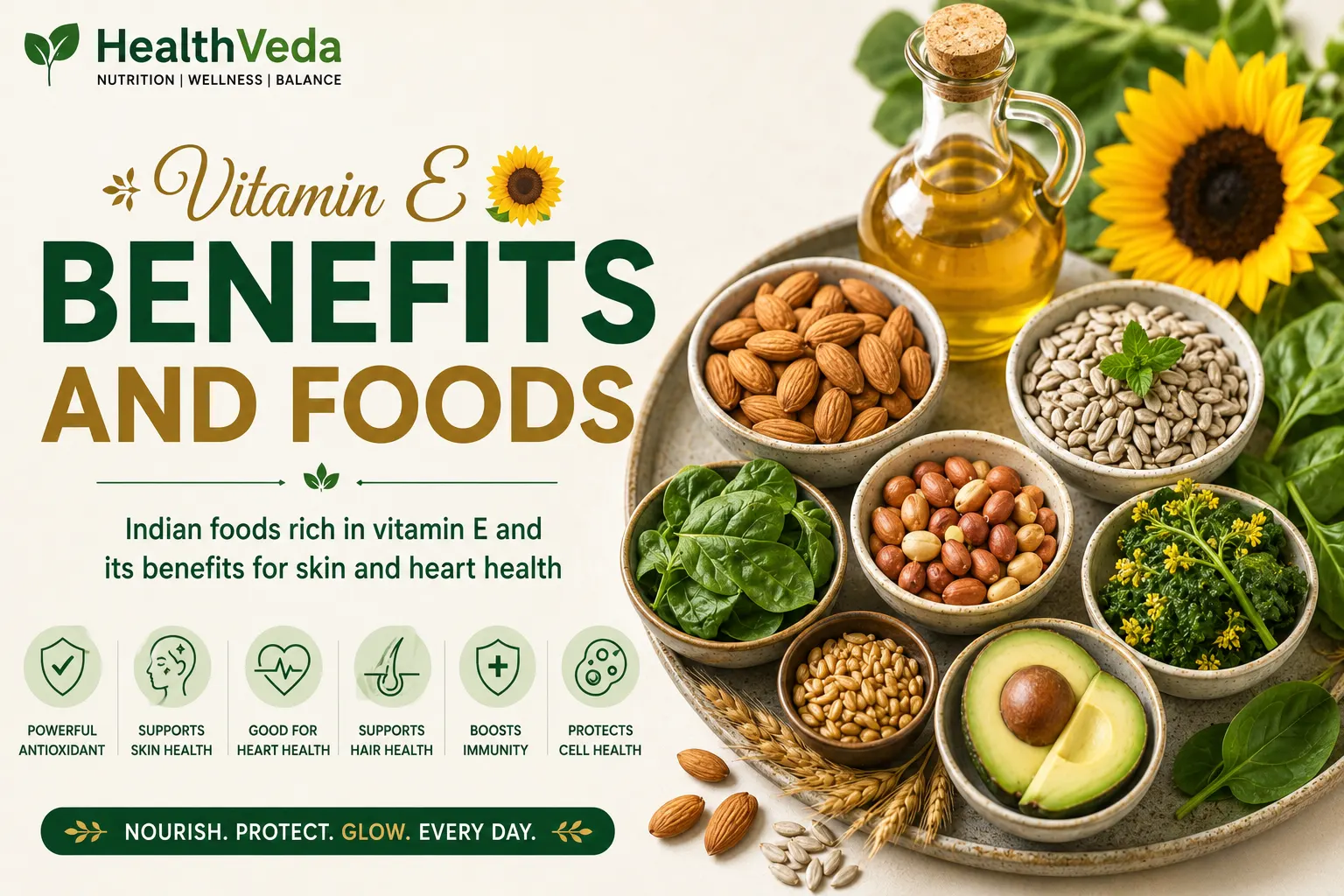
Skin Protection & Glow: Sunflower seeds provide 234% of daily Vitamin E — the highest among commonly available seeds. This fat-soluble antioxidant protects skin from UV damage, pollution, and oxidative stress, prevents premature aging, and supports skin barrier function for a natural glow.
Immune System Boost: Selenium (96% DV) and Zinc (45% DV) are both critical for immune cell production, antioxidant enzyme activity, and fighting infections. Sunflower seeds are an immune-fortifying superfood.
Thyroid Health: Selenium is essential for thyroid hormone synthesis and conversion of T4 to active T3. Selenium deficiency is a common contributor to thyroid dysfunction in India, and sunflower seeds are one of the best plant-based selenium sources.
Energy & Mood: Thiamine (123% DV) and niacin (52% DV) are vital B vitamins for energy metabolism, neurotransmitter production, and mental clarity. Regular sunflower seed consumption can reduce fatigue and support positive mood.
Anti-Inflammatory: The combination of Vitamin E, selenium, and plant sterols gives sunflower seeds powerful anti-inflammatory properties, beneficial for arthritis, allergies, and inflammatory conditions.
Heart Health: Sunflower seeds are rich in linoleic acid (omega-6), plant sterols, and Vitamin E — all of which help reduce LDL cholesterol, improve HDL, and protect the arteries from oxidative damage.
🕉️ Ayurvedic Uses & Practical Recipes
Sunflower Seed Laddoo: Mix roasted sunflower seeds, jaggery, and a pinch of cardamom — an energy-rich, immune-boosting sweet. Seed Pesto: Blend sunflower seeds with basil, garlic, olive oil, and lemon for a nutritious, Vitamin E-rich pesto sauce. Sunflower Seed Raita: Stir into yogurt with cumin, coriander, and rock salt — a cooling, probiotic-rich side dish. Sunflower Seed Smoothie: Add a tablespoon of sunflower seeds to banana-almond smoothie for added protein and Vitamin E.
✅ Best Ways to Eat Sunflower Seeds
Raw or dry-roasted sunflower seeds (hulled, without salt) are best. Sprinkle on salads, oatmeal, soups, or baked goods. Sunflower seed butter is a great nut-free alternative for those with tree nut allergies.
📅 Daily Recommended Intake
28–30g (about 3 tablespoons or a small handful) of sunflower seeds per day provides over double the daily Vitamin E requirement and significant selenium and magnesium.
⚠️ Precautions
High in omega-6 fatty acids which, if consumed in excess without balancing omega-3 intake, may promote inflammation. Sunflower seeds are high in calories and should be portioned appropriately. Those on blood-thinning medications should consult a doctor as Vitamin E may enhance anticoagulant effects.